
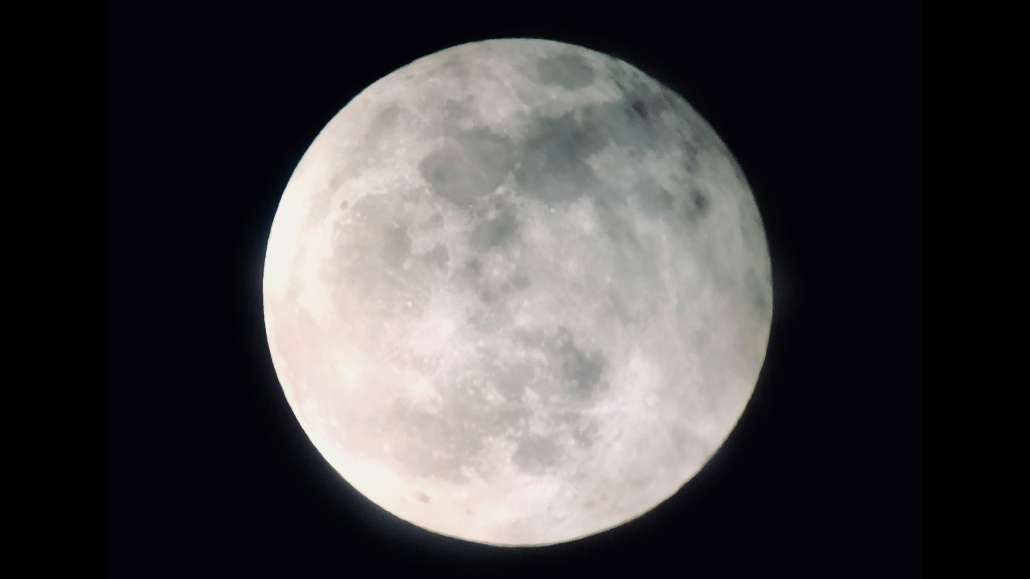
Moons Dance – The Synodic Month – Phases of The Moon | Quick Guide
Moons Dance (Short Film) -19 Jul 2024 | Vibes of Cosmos
Understanding the Moon Cycle
Geocentric and Heliocentric Perspectives | Quick Guide
The Moon has captivated humanity for centuries, influencing calendars and cultural beliefs. Its phases—ranging from new to full—are a result of the interplay between the Earth, Moon, and Sun.
In this post, we will explore both the geocentric and heliocentric perspectives on the Moon‘s phases, detailing how these phases are created, the role of light and shadows, and comparing the two viewpoints.
As Aristotle once said, “It is the mark of an educated mind to be able to entertain a thought without accepting it.” This sentiment rings true when exploring the geocentric and heliocentric models of the universe, two competing theories that have shaped our understanding of the cosmos throughout history.

The geocentric model, which places Earth at the centre of the universe, was the predominant view in ancient Greece, Rome, and medieval Europe. Supported by philosophers like Aristotle and Ptolemy, this model aligns with common observations, such as the Sun, Moon, and stars appearing to revolve around Earth.
In contrast, the heliocentric model, which positions the Sun at the centre of the solar system, was proposed by Nicolaus Copernicus in the 16th century. Championed by scientists like Galileo and Kepler, the heliocentric theory gradually gained acceptance, ultimately replacing the geocentric view as our understanding of the universe evolved.
By entertaining both the geocentric and heliocentric perspectives, we can gain a deeper appreciation for the development of scientific thought and the role of observation, experimentation, and critical thinking in advancing our knowledge of the cosmos. As we delve into the details of these two models, let us keep Aristotle’s words in mind, embracing the opportunity to consider new ideas without necessarily accepting them at face value.
“It is the mark of an educated mind to be able to entertain a thought without accepting it.”
Aristotle
The Moon Cycle: Phases Explained
Geocentric Perspective
In the geocentric model, Earth is viewed as a stationary, level plane at the centre of the universe, with the Moon orbiting around it. This perspective emphasises the local interactions between the Earth, Moon, and Sun. In this model, the Moon is considered a luminary that produces its own light, rather than reflecting sunlight. The phases of the Moon are caused by the changing angles between these three bodies, which dictate how much of the Moon‘s surface appears illuminated to an observer on Earth.
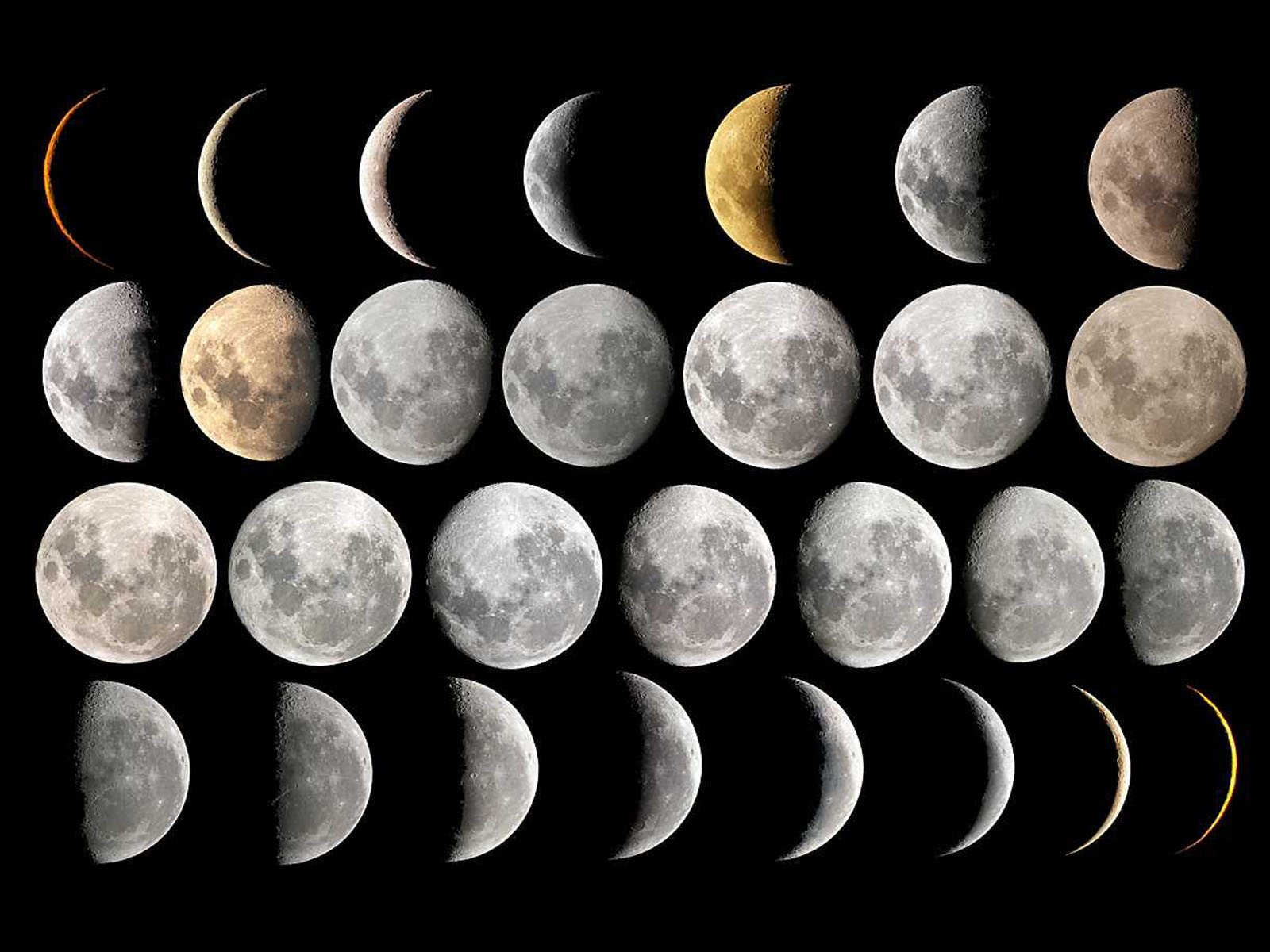
- New Moon: During this phase, the Moon is positioned directly between the Earth and the Sun. The side of the Moon facing Earth is dark and not visible. In this model, the Moon is seen as a source of light, but during the new moon phase, that light is directed away from the Earth.
- Waxing Crescent: As the Moon moves in its orbit, a small portion of its illuminated side becomes visible. The crescent shape appears as the Moon begins to move away from the Sun in the sky. The light emitted by the Moon becomes visible to observers on Earth.
- First Quarter: The Moon is now at a 90-degree angle from the Sun relative to the Earth. Half of the Moon‘s surface is illuminated and visible from Earth, appearing as a perfect half-circle. This phase represents a balance between light and dark.
- Waxing Gibbous: More than half of the Moon is illuminated as it approaches the full moon. The illuminated portion continues to grow larger as the Moon orbits further from the Sun.
- Full Moon: The Moon is positioned directly opposite the Sun, with the Earth in between. The entire face of the Moon is illuminated, making it fully visible. This phase occurs when the light produced by the Moon is directed towards the Earth.
- Waning Gibbous: After the full moon, the illumination begins to decrease. The Moon is still more than half illuminated, but the visible light is starting to diminish.
- Last Quarter: The Moon is again half-illuminated, but the illuminated side is now opposite to that of the first quarter. This phase occurs when the Moon is at a 90-degree angle behind the Sun relative to Earth.
- Waning Crescent: The illuminated portion continues to shrink until it returns to the new moon phase. The crescent shape becomes thinner as the Moon approaches its next cycle.
Heliocentric Perspective
From a heliocentric viewpoint, the Sun is at the center of the solar system, with both the Earth and Moon orbiting around it. The distances between these celestial bodies and their motions play a crucial role in understanding the Moon‘s phases.
- Distances: The average distance from the Earth to the Moon is about 238,855 miles (384,400 kilometres). The Earth orbits the Sun at an average distance of approximately 93 million miles (150 million kilometres).
- Motions and Speeds: The Moon travels in an elliptical orbit around the Earth at an average speed of about 2,288 miles per hour (3,683 kilometres per hour). The Earth orbits the Sun at an average speed of about 67,000 miles per hour (107,000 kilometers per hour).
The phases of the Moon are still a result of the same orbital mechanics, but the focus shifts to the relative positions of all three celestial bodies.
- New Moon: The Moon is positioned between the Earth and the Sun, with its illuminated side facing away from the Earth. The Moon is not visible during this phase.
- Waxing Crescent: As the Moon moves in its orbit, a small portion of its illuminated side becomes visible. The crescent shape is created as the Moon moves away from the Sun in the sky.
- First Quarter: The Moon is now 90 degrees from the Sun, with half of its surface illuminated as seen from Earth. This phase is similar to the geocentric view.
- Waxing Gibbous: More than half of the Moon is illuminated as it approaches the full moon, with the illuminated area growing larger.
- Full Moon: The Moon is on the opposite side of the Earth from the Sun, fully illuminated and visible. This phase occurs when sunlight directly illuminates the entire face of the Moon.
- Waning Gibbous: The illuminated area begins to decrease, though more than half is still visible.
- Last Quarter: The Moon is half-illuminated, but the illuminated side is now opposite to the first quarter.
- Waning Crescent: The illuminated portion shrinks until it returns to the new moon phase.
Predicting the Phases of the Moon
Geocentric Predictions
In the geocentric model, predicting lunar phases involves understanding the relative positions of the Earth, Moon, and Sun. Key factors include:
- Lunar Age: The age of the Moon is calculated from the last new moon. Each phase corresponds to specific days within the lunar cycle, with a full moon occurring approximately 14.75 days after the new moon.
- Geocentric Longitudes: The angles between the Moon and Sun as viewed from Earth are crucial. A full moon occurs when the Moon‘s longitude is 180 degrees from the Sun’s longitude, while a new moon occurs when both have the same longitude.
- Visibility: The Moon‘s visibility is determined by its position relative to the Sun. For example, the full moon is fully illuminated and visible in the night sky, while the new moon is not visible at all.
Heliocentric Predictions
In the heliocentric model, the same principles apply, but the focus is on the Sun’s position relative to the Earth and Moon:
- Synodic Month: The time it takes for the Moon to complete one cycle of phases is about 29.5 days.
- Orbital Mechanics: The positions of the Moon and Sun are described using their heliocentric longitudes. The full moon occurs when the Moon is 180 degrees from the Sun, and the new moon occurs when they are aligned.
- Visibility: Similar to the geocentric model, the visibility of the Moon changes depending on its position relative to the Sun, affecting when and where it can be seen in the sky.
Comparing the Two Perspectives
While both the geocentric and heliocentric models ultimately describe the same phenomenon—the phases of the Moon—their approaches differ in focus:
- Reference Point: The geocentric model centres on Earth, making it easier to relate to everyday observations. The heliocentric model emphasises the Sun’s central role, providing a broader understanding of the solar system.
- Understanding of Motion: The geocentric perspective can lead to misconceptions about the Moon‘s motion, as it simplifies the complex interactions between the Earth, Moon, and Sun. The heliocentric view clarifies these interactions, illustrating the orbital mechanics that govern the Moon‘s phases.
- Educational Implications: Teaching the phases of the Moon from both perspectives can enhance understanding. The geocentric model helps students relate to their observations, while the heliocentric model fosters a deeper comprehension of the solar system’s dynamics.
Conclusion
Understanding the phases of the Moon is a fascinating journey through celestial mechanics, revealing the intricate dance between the Earth, Moon, and Sun. By exploring both geocentric and heliocentric perspectives, we can appreciate the beauty of this natural phenomenon while gaining insights into the workings of our solar system. Whether viewed from the comfort of our planet or from the vastness of space, the Moon’s phases continue to inspire wonder and curiosity.
Sources and links
Presentation of all the moons phases using time-lapse videos.
Music by Tosca
Filmed and directed by Vibes of Cosmos
Books and Maps Downloads : https://mountaind…
Source: Moons Dance (Short Film) – YouTube









Leave a Comment
Want to join the discussion?Feel free to contribute!