

Enemy of Humanity – Mear One | Feature
FALSE PROFITS (London, 2012) – Sept 2012 | Mear One
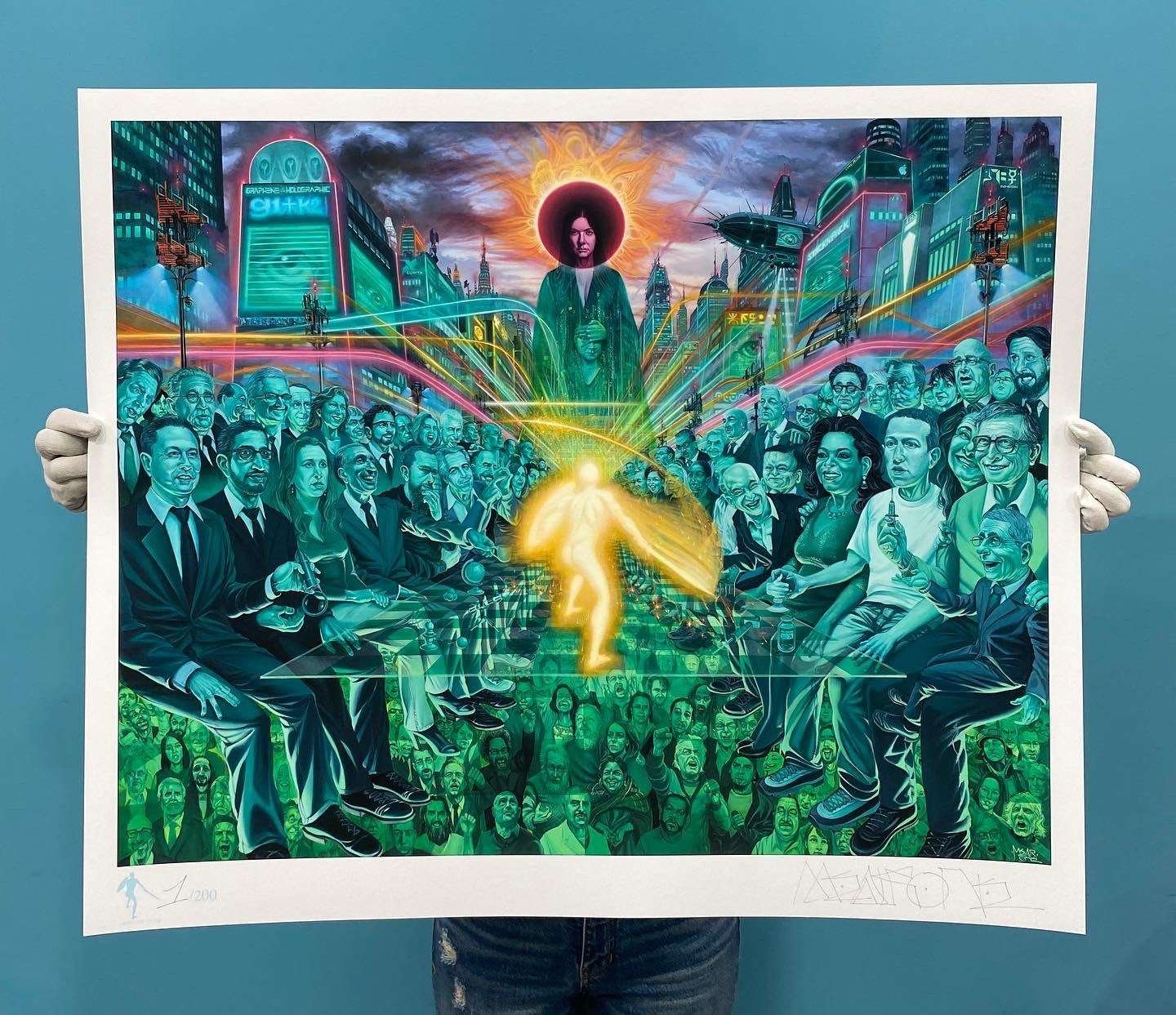
Mear One – New World Order: The Enemy of Humanity – 2014 | Fifth Wall
Back in 2012 LA legend Mear One was in London and true to his nature, he was ready to make some noise. Over three days Mear managed to cause a real stir with his incredibly powerful anti-capitalist piece on Hanbury St, just off Brick Lane. With echoes of the controversy being heard through BBC Worldwide, he sure made his mark.
Mear One Interview – 30 Aug 2012 | InfoWars
Anti-Semitic Artwork Removed in London: ‘Freedom for Humanity‘ Mural from Kalen Ockerman – 8 Oct 2012 | Jewish News One
The Protected Wizards of Oz
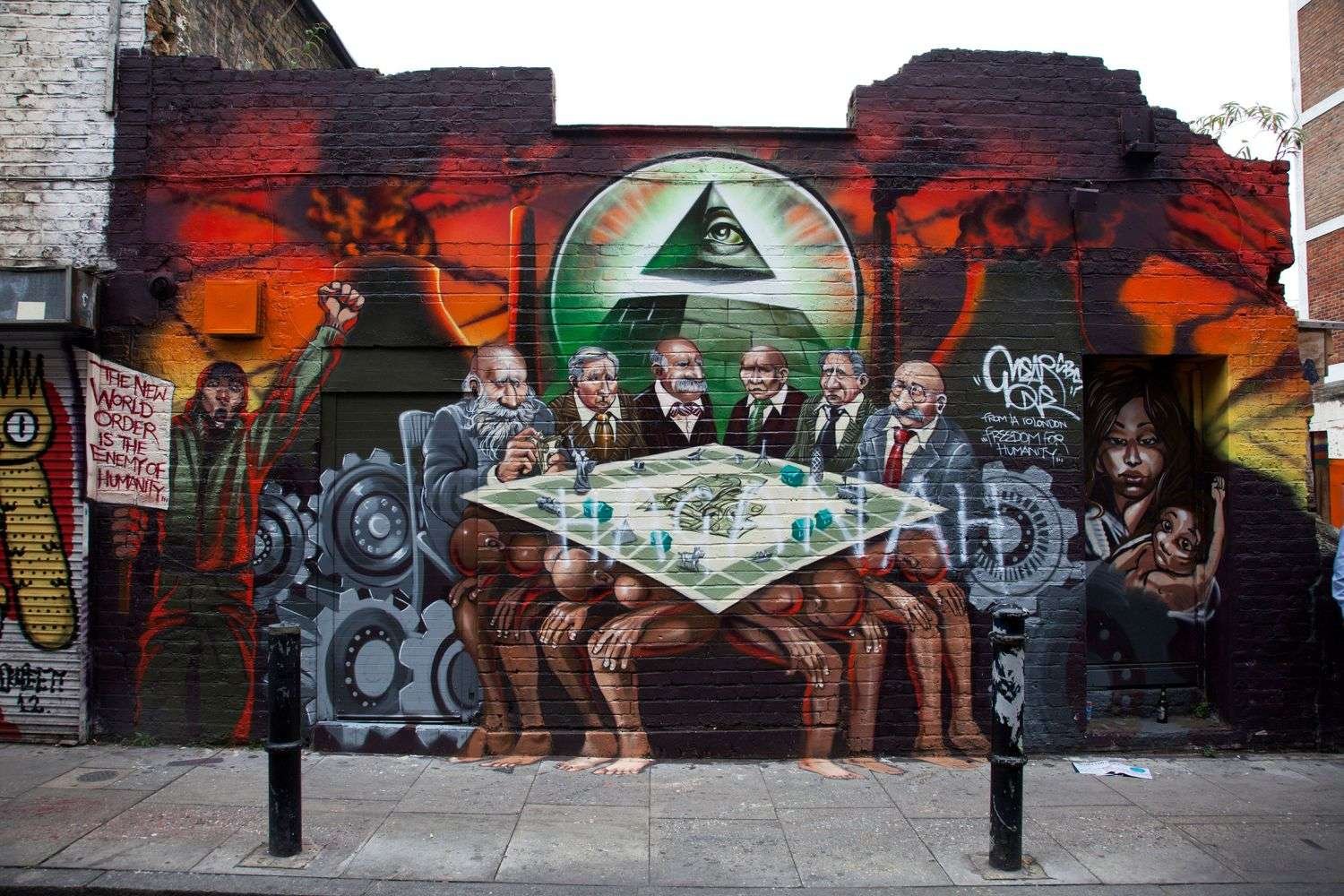
In 2012, American artist Mear One created a thought-provoking mural titled “Freedom for Humanity” in Shoreditch London, a scathing commentary on the class divide and the concentration of power among the elite.
This powerful work of art served as a commentary on the human struggle, economic inequality, secret societies, surveillance, and the concentration of power and control exerted by elite individuals and institutions. In 2017, the Mural was painted over by the local council, citing concerns over its “perceived anti-semitic imagery”, a blatant act of censorship and a denial of its legitimate social commentary.
“I came to paint a mural that depicted the elite banker cartel known as the Rothschilds, Rockefellers, Morgans, the ruling class elite few, the Wizards of Oz.”
Mear One – 2012
Casting Spells
The mural was quickly criticised for supposedly containing “anti-semitic imagery”, including depictions of international bankers. A local Jewish councillor likened the work to “anti-semitic propaganda in pre-war Germany”, while the mayor of Tower Hamlets, Lutfur Rahman, sought to have it removed, stating that the
“images of the bankers perpetuate anti-semitic propaganda about conspiratorial Jewish domination of financial and political institutions”.
The artist, Mear One, denied any anti-semitic intent, arguing that the mural was about “class and privilege” and that the “banker group is made up of Jewish and white Anglos”. Nevertheless, the controversy continued, with some commentators arguing that the work played into longstanding “anti-semitic tropes and conspiracy theories”.
In a surprising move, Labour Party leader at the time, Jeremy Corbyn, expressed support for the mural, commenting on the artist’s Facebook post that
“You are in good company. Rockefeller [sic] destroyed Diego Viera’s [sic] mural because it includes a picture of Lenin”.
This response was widely criticised, and the cowed Corbyn later backtracked commenting that he had not closely examined the image and that its content was “deeply disturbing and anti-Semitic”. It did not matter that it is true that Nelson Rockefeller, the then-Governor of New York, ordered the destruction of Diego Rivera’s mural “Man at the Crossroads” in 1934 because it included a depiction of Vladimir Lenin.
Freedom for Humanity – 2012
The Message is Clear
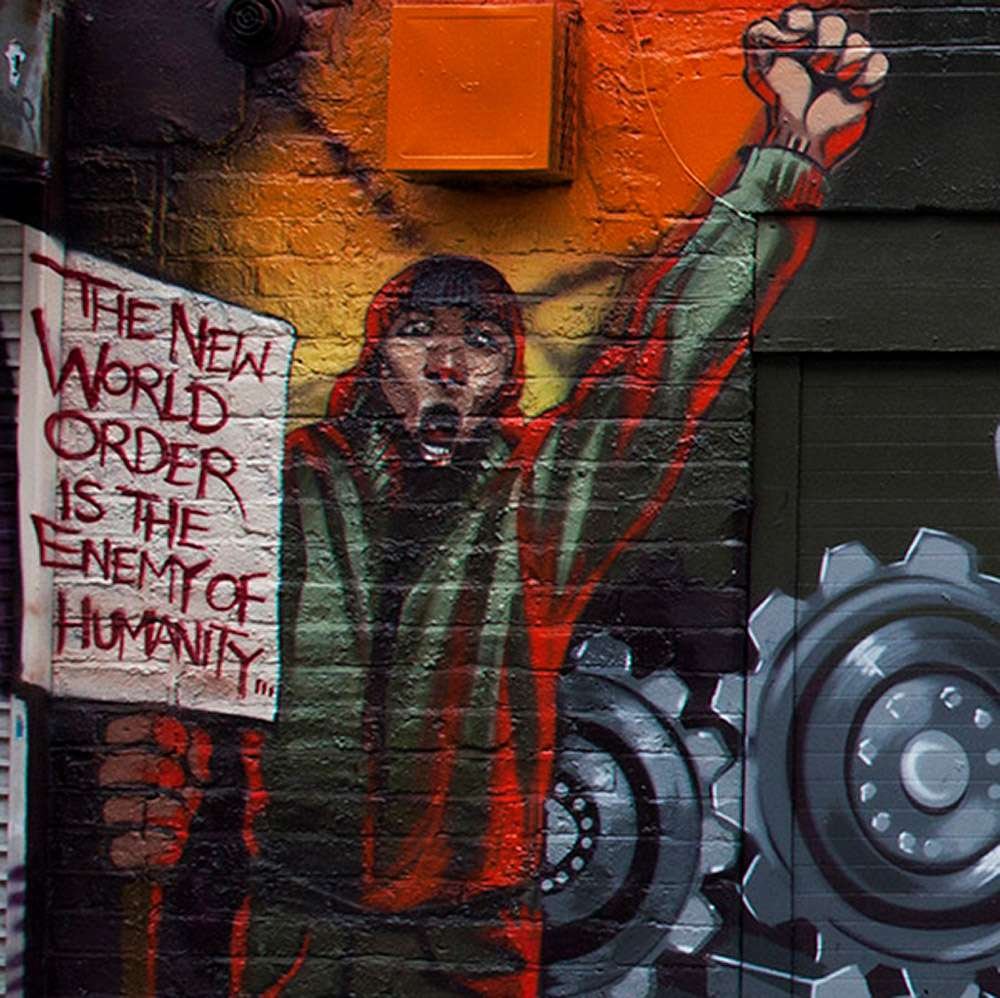
The New World Order is the Enemy of Humanity
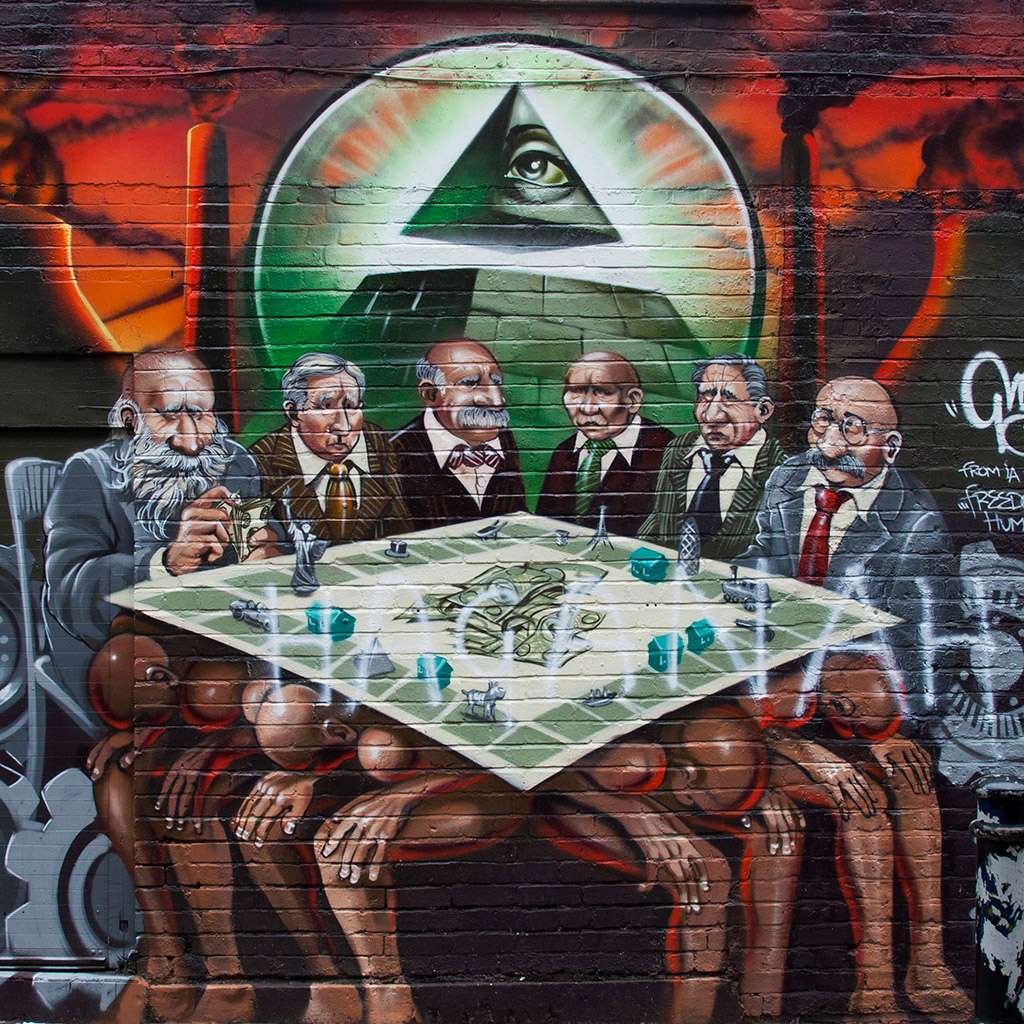
While the “Freedom for Humanity” mural’s imagery may have been open to interpretation, the decision to remove it without a thorough public debate sets a concerning precedent for the suppression of artistic works that challenge the status quo and tackle sensitive social and political issues. The specific elements of the “Freedom for Humanity” mural that were criticised as anti-semitic are:
- Depictions of Banksters: The six elderly men playing Monopoly were described as having prominent noses, which is a physical characteristic often associated with Jewish people. This was said to reinforce “harmful and inaccurate stereotypes about Jewish bankers”. As if they’re not the crooks we know them to be or something.
- References to Specific Families: The artist, Mear One, acknowledged that the mural was depicting the evil “elite banker cartel known as the Rothschilds, Rockefellers, Morgans, the ruling class elite few”. Referencing these specific banking families apparently “played into anti-semitic conspiracy theories about Jewish control over financial institutions”.
- Masonic/Illuminati Symbolism: The inclusion of the “Eye of Providence”, a symbol associated with Freemasonry and the Illuminati, was somehow interpreted as “reinforcing anti-semitic conspiracy theories about Jewish control over financial and political institutions”, even though we know that freemasonry and secret society influence is prevalent in society, particularly in the United States.
These specific visual elements and references in the mural were stated as “perpetuating harmful stereotypes and anti-semitic tropes”, leading to the eventual removal of the artwork by the local council. The artist’s stated intent to critique class and privilege did not mitigate the screeches over the so-called “anti-semitic imagery”.
Ultimately, the mural was painted over by the local council and this decision is seen by many as an act of censorship, denying the work’s legitimate social commentary and infringing on the artist’s right to free expression.
The Sacred Guardian of Human Consciousness – 2012

The Emerald City
A Peak Behind the Curtain
In reality of course, Mear One had created a thought-provoking and revolatory mural depicting a very real threat to humanity. This powerful work of art served as a commentary on the human struggle, economic inequality, and the concentration of power among the elite. The mural depicted wealthy parasitic bankers, the “Monopolists,” playing Monopoly on the backs of humanity, symbolising the exploitation and oppression faced by the masses at the hands of the psychopathy.
“To know who rules over you, simply find out who you are not allowed to criticise.”
Voltaire
The inclusion of the all-seeing eye in the background represents freemasonry and secret societies – the hidden hand steering society in the shadows – and the omnipresent surveillance and control exercised by those in power, further emphasising the need to question the status quo. This striking mural encouraged viewers to think critically about the social, environmental and economic issues faced by humanity, and to be aware of the hidden influences steering society.
The destruction of the mural underlines the power dynamics at play in society. The mural’s removal demonstrates that certain groups or individuals are not allowed to be criticised, and that those who do are subject to slander, censorship and suppression.
Allegory of Complacency – 2012
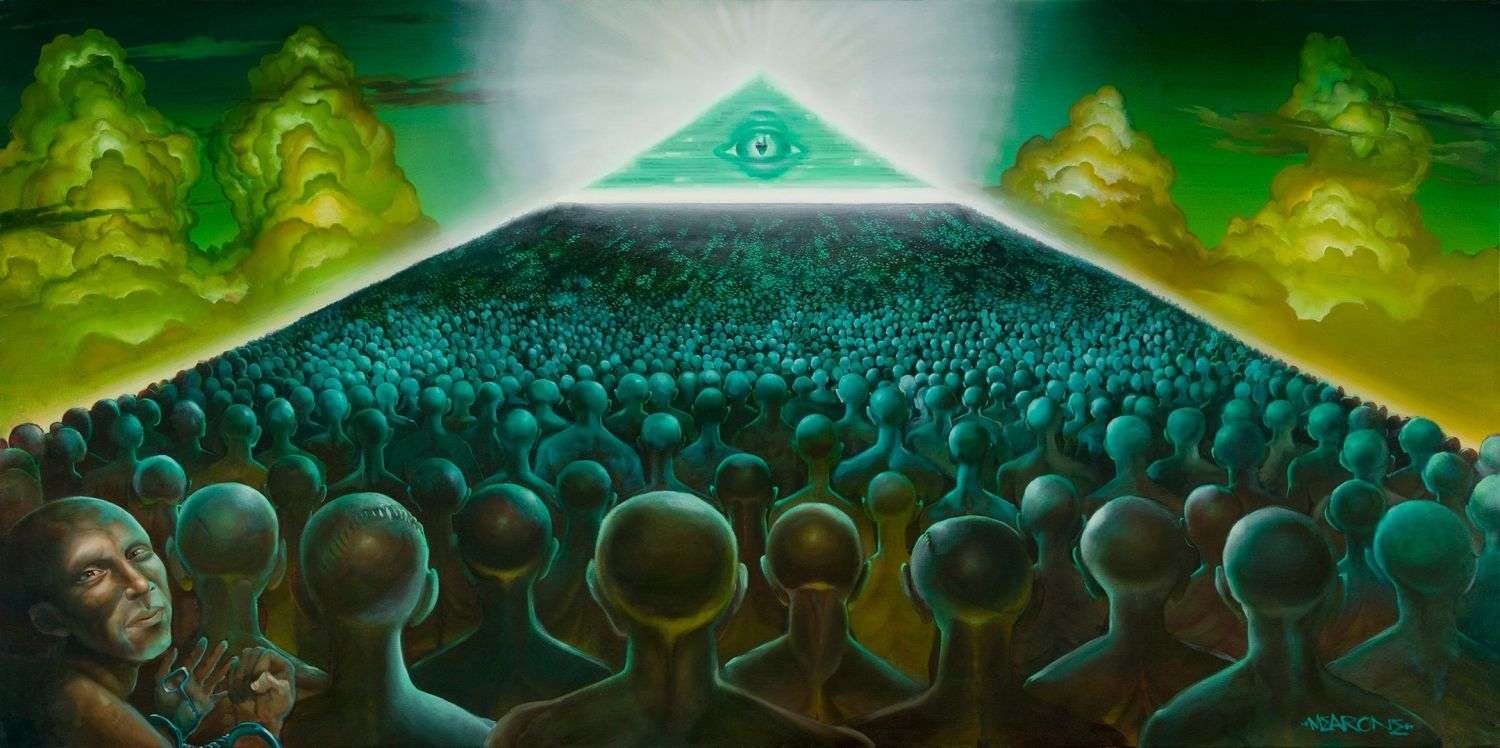
Weaponised Rhetoric
The Wizard’s Words Cast the Spell
Weaponised rhetoric refers to the intentional use of words, phrases, and actions to delegitimise and dehumanise individuals or groups based on their political affiliations, identities, or beliefs. This type of rhetoric aims to persuade the general public that such depictions are justified and normal, often leading to violence and legal repression against these individuals or groups. The concept of “otherness” is crucial in understanding weaponised rhetoric, as it seeks to separate out and delineate differences to justify unequal treatment under the law and in the social sphere.
Pejorative terms and odhominem are methods used as weaponised rhetoric by corrupt regimes to deter people from investigating something that is deliberately hidden. This phenomenon is often referred to as “weaponised words” or “delegitimising language.” The state employs such rhetoric to discredit and intimidate individuals who might otherwise uncover or question the truth about certain issues. This tactic is particularly effective in creating a climate of fear and silencing dissenting voices.
Examples of weaponised rhetoric include labelling people “anti-semitic” and “conspiracy theorist.” These terms are often used to intimidate, discredit and silence individuals who question or challenge dominant narratives.
Key Features of Weaponised Rhetoric
- Delegitimisation and Dehumanisation: Weaponised rhetoric targets individuals or groups by using inflammatory or derogatory language, which can lead to violence and legal repression.
- Normalisation of Discrimination: This type of rhetoric aims to normalise discrimination against minorities and subjugated groups in mainstream culture, encouraging passivity and participation in such repression.
- Targeted and Broad Applications: Weaponised rhetoric can be directed at specific individuals or target larger groups and entire movements, often seeking to destroy the individual’s sense of self and normalise the language to target a larger whole.
- Power to Persuade: The language used in weaponised rhetoric has the power to persuade public opinion and influence actions, making it a potent tool for political repression.
The impact of weaponised rhetoric is significant. It can lead to the normalisation of discrimination and the silencing of dissenting voices. It is essential to be aware of these tactics and to promote a culture of open discussion and critical thinking to counterbalance their effects.
LA Foundrie – 2012
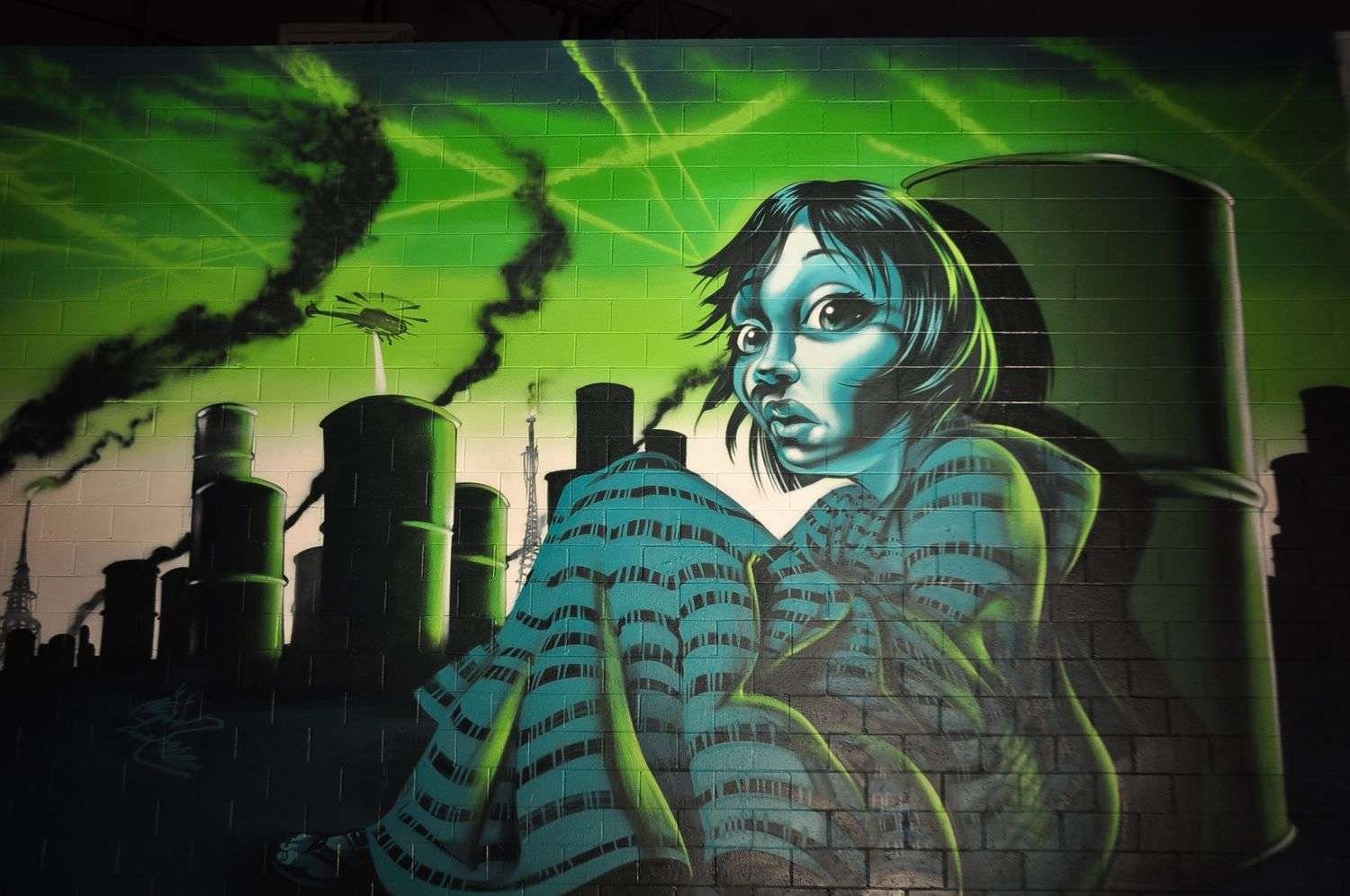
Corruption and Censorship
A Toxic Combination in Society
Corruption and censorship are two interconnected issues that can have devastating effects on a society. Corruption refers to the abuse of power or position for personal gain, often involving blackmail, bribery, kickbacks, or other forms of illegal or unethical behaviour. Censorship, on the other hand, involves the suppression or restriction of information, ideas, or speech. When these two phenomena combine, they will create a toxic environment that stifles free speech, undermines ethical practices, and perpetuates corruption.
The Impact of Corruption and Censorship
Corruption and censorship can have far-reaching consequences. In societies where corruption is rampant, it can lead to the erosion of trust in institutions and the rule of law. This results in a lack of accountability and a culture of impunity, where those in power feel they are above the law. Censorship, in turn, prevents the exposure of corruption by silencing voices that might otherwise speak out against it. This creates an echo chamber where distorted views and acceptance of corrupt behaviour become the norm.
Grand corruption occurs at the highest levels of government, distorting policy and benefiting officials at the expense of the public. Censorship can be used to monitor speech, block certain kinds of online content, and filter searches. This is particularly effective in societies where the government has a strong grip on the internet and media.
The Role of the Media
The media plays a crucial role in exposing corruption and promoting transparency. However, in societies where corruption and censorship are prevalent, the media a trapped by these forces. Self-censorship becomes a norm, and journalists feel pressured to conform to the dominant narrative. This has lead to a distorted information landscape that undermines efforts to strengthen democracy and pluralism.
Fighting Corruption and Censorship
Fighting corruption and censorship requires a multifaceted approach. It involves promoting ethical practices, building trust in institutions, and protecting free speech. This can include supporting independent journalism, promoting transparency and accountability, and creating mechanisms for citizens to hold their leaders accountable.
Destroy Your Illusions
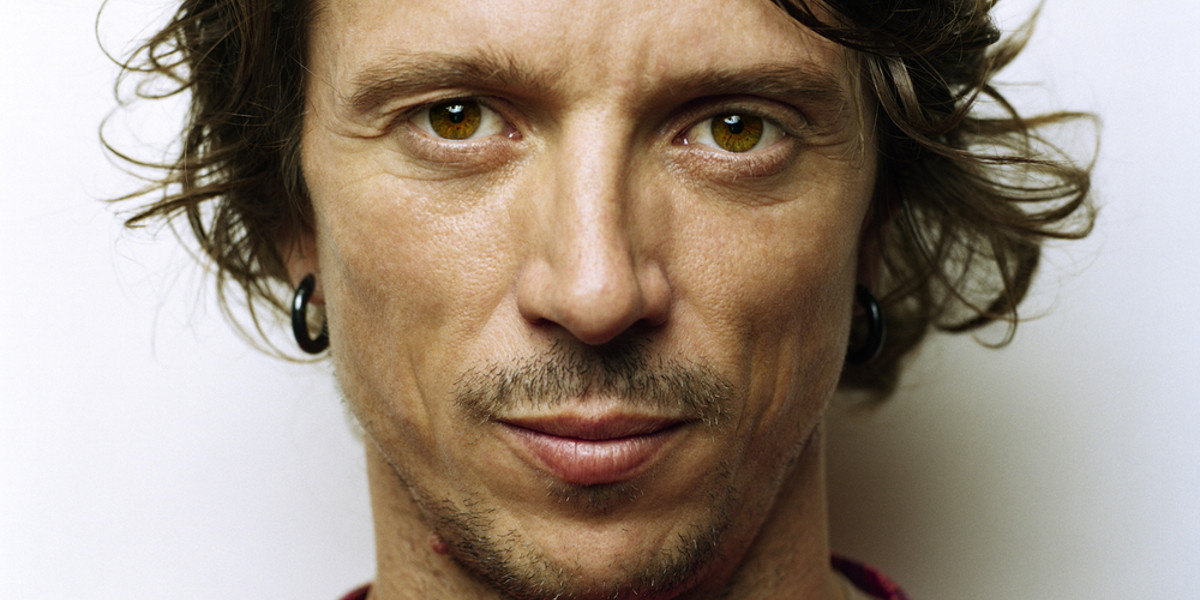
Mear One
Mear One, whose real name is Kalen Ockerman, is an American graffiti artist and muralist based in Los Angeles, California. He started painting graffiti at the age of 16 and became known for his distinctive style and skilful use of colour.
Mear One was heavily influenced by the graffiti culture of the 1980s and 1990s, and he quickly became one of the most respected and well-known graffiti writers in Los Angeles. He is a member of the legendary graffiti crew AWR (Art Work Rebels).
In addition to his work as a graffiti artist, Mear One is a skilled muralist and fine artist. He has crafted impressive murals and public art installations in numerous cities, and his artwork has been showcased in galleries and museums around the world.
One of Mear One‘s most famous works is the “Propaganda of the Deed” mural, which was originally painted in Los Angeles in 1997. The mural depicts a powerful political message about the role of art in social and political activism, and it has become an iconic image in the world of street art.
Throughout his career, Mear One has been a vocal advocate for the power of art to bring about social change and to challenge the status quo. He has used his art to raise awareness about issues such as police brutality, corporate greed, and environmental degradation.
Today, Mear One continues to create bold and powerful works of art that challenge and inspire viewers around the world. He is widely regarded as one of the most important and influential figures in the world of graffiti and street art.
Sources and links
https://en.wikipedia.org/wiki/Freedom_for_Humanity
https://sapirjournal.org/social-justice/2021/04/our-duty-to-be-unimpressed/
https://news.1xrun.com/mear-one-debuts-false-profits/
https://en.wikipedia.org/wiki/Freedom_for_Humanity
Source: MEAR ONE – FALSE PROFITS (London, 2012) – YouTube







Leave a Comment
Want to join the discussion?Feel free to contribute!