Occult Hollywood: Cinema as Ritual Magic | Third Mind
Occult Influence
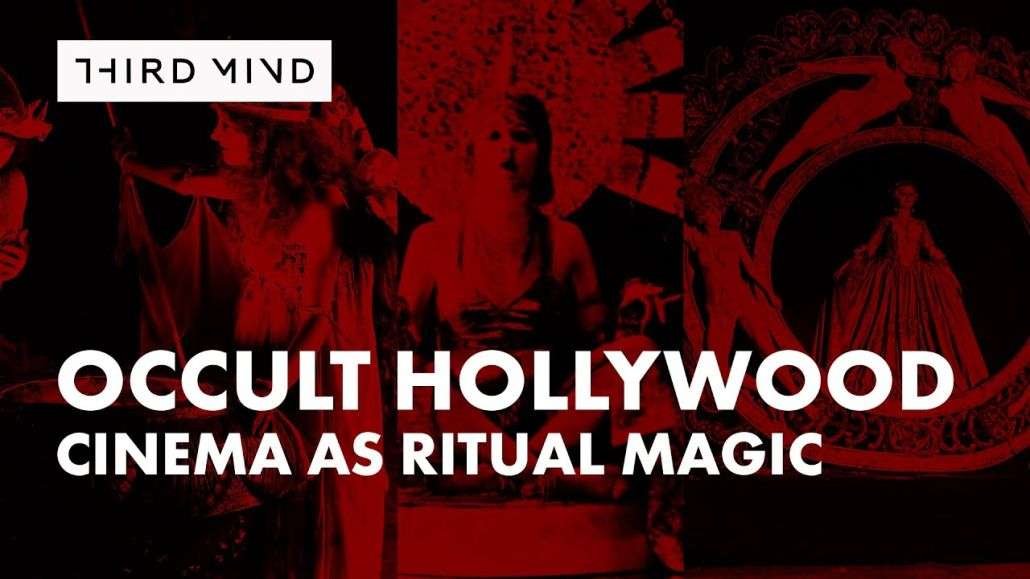
Occult Hollywood: Cinema as Ritual Magic – Nov 2024 | Third Mind
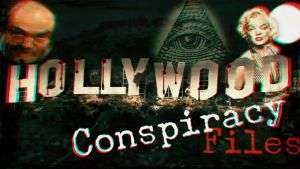
Third Mind provides a brief overview of the enigmatic and shadowy world of Hollywood‘s occult history.
Explore the secretive and often misunderstood connection between Hollywood and the occult from the early 20th century to the present day, when modern cinema continues to reflect society’s fascination with the mystical.
The Enigmatic Connection Between Hollywood and the Occult
Hollywood has long been entangled with the occult, a relationship that has evolved from mere fascination to a complex interplay of themes that permeate its cinematic narratives. This article explores the shadowy world of Hollywood‘s occult history, focusing on how cinema serves as a medium for psychological manipulation, propaganda, and social engineering.
Historical Context: Early 20th Century to Present
The roots of occult themes in Hollywood can be traced back to the early 20th century. Films like Häxan (1922) and Nosferatu (1922) introduced audiences to supernatural elements, setting the stage for a genre that would flourish in subsequent decades. By the 1940s, the horror boom brought forth more explicit explorations of occult themes, with films such as Night of the Demon (1957) and Rosemary’s Baby (1968) reflecting society’s growing intrigue with witchcraft and the supernatural.
As these narratives developed, they began to mirror societal anxieties and fascinations with power dynamics, morality, and the unknown. The portrayal of the occult became increasingly intertwined with the lives of affluent characters, suggesting that such esoteric practices were not just relegated to the fringes but were accessible to those within elite circles. This connection raises questions about manipulation: are these portrayals merely entertainment, or do they serve a deeper purpose in shaping public perception?
Psychodrama and Twilight Language
The use of psychodrama—where characters undergo intense emotional experiences—coupled with twilight language—a form of communication that conveys hidden meanings—has been a hallmark of many occult-themed films. These techniques engage viewers on a subconscious level, often leading them to internalise the themes presented. For instance, The Exorcist (1973) not only terrified audiences but also prompted discussions about morality, faith, and fear of the unknown. The film’s success can be attributed to its ability to manipulate emotions through its portrayal of demonic possession as a metaphor for societal decay.
Moreover, contemporary films like American Horror Story: Coven have continued this tradition by blending horror with elements of dark humour and social commentary. The series explores themes of feminism and power dynamics within the context of witchcraft, further illustrating how occult narratives influence societal discourse while simultaneously entertaining.
Cultural Impact and Societal Reflection
The fascination with the occult in Hollywood is not merely an artistic choice; it reflects broader societal interests in mysticism and alternative belief systems. As filmmakers tap into these themes, they often manipulate cultural anxieties surrounding control and chaos. The portrayal of witches as both powerful figures and victims allows for a complex narrative that resonates with audiences’ fears and desires.
Films such as The Craft (1996) showcase teenage girls wielding magical powers as a means of empowerment against their oppressors. This narrative not only entertains but also subtly reinforces ideas about rebellion against societal norms and expectations. Such representations can lead viewers to question their own realities and beliefs about power structures in society.
A Tool for Manipulation?
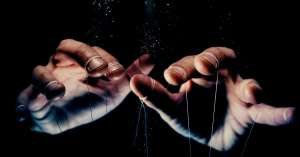
The intersection of Hollywood and the occult serves as a potent reminder of cinema’s ability to influence public perception through psychological manipulation. By employing psychodrama and twilight language, filmmakers craft narratives that resonate deeply with audiences while simultaneously shaping cultural discourse. As modern cinema continues to explore these themes, it remains crucial to critically examine how these portrayals reflect or distort societal values.
In this enigmatic world where magic meets media, one must ponder whether these films are simply reflections of our collective psyche or if they serve as tools for deeper manipulation within the fabric of society. The allure of the occult in Hollywood is not just about entertainment; it is a complex interplay that invites scrutiny into how narratives can shape beliefs and behaviours in profound ways.
Source: Occult Hollywood // Cinema as Ritual Magic – YouTube