
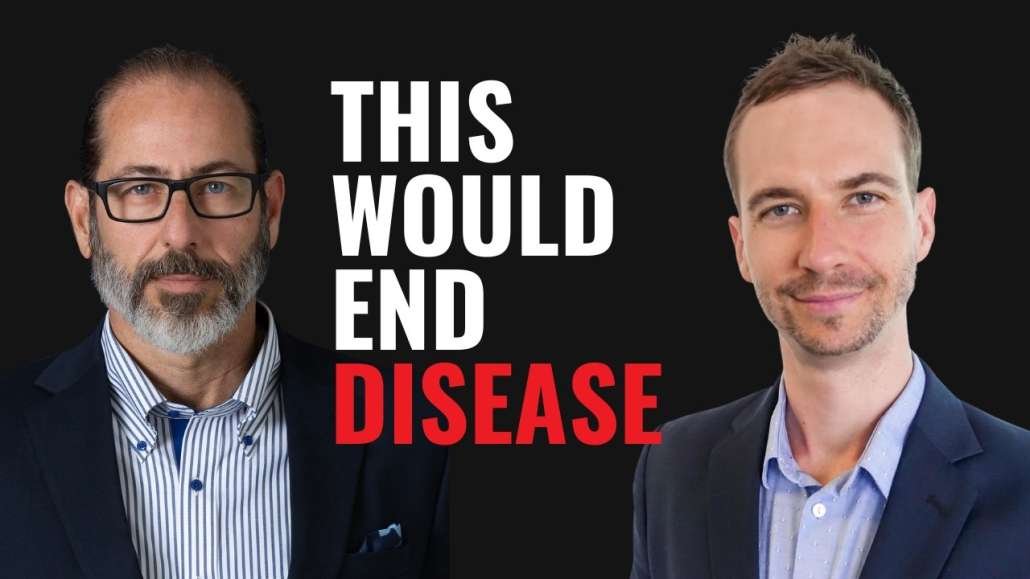
Rethinking Germ Theory: How Terrain and Toxins Shape Your Health | Andrew Kaufman
Sovereign Health
Rethinking Germ Theory:
How Terrain and Toxins Shape Your Health – 17 May 2025 | Andrew Kaufman
What really makes us sick?
Modern medicine is built on the idea that invisible germs cause disease — but is that the whole story?
In this episode of The True Health Report, Dr. Andrew Kaufman talks to naturopath and educator Daniel Roytas (Can You Catch a Cold?) to explore a new lens on immunity, symptoms, and what we call “getting sick.”
From detox reactions to terrain-based health, they examine the overlooked factors behind flu season, outbreaks, and chronic illness.
- Understand the difference between germ theory and terrain theory
- Reframe what “getting sick” actually means
- Learn how toxins and environment impact health outcomes
- Reclaim your role as the authority of your own body
Rethinking Disease:
Beyond Germ Theory with Daniel Roytas and Andrew Kaufman
In the shadow of the world health upheavals of recent years, critical voices like Dr. Daniel Roytas and Dr. Andrew Kaufman invite us to reconsider one of the foundational pillars of modern medicine: germ theory. This dominant narrative, which holds that invisible microbes are the primary cause of disease, is being challenged by a growing body of thinkers who emphasize the importance of the body’s internal environment—its “terrain”—and the profound impact of toxins and broader environmental factors on health.

Germ Theory vs. Terrain Theory:
A Paradigm in Question
Germ theory, established in the 19th century, revolutionised medicine by identifying bacteria and viruses as disease agents. However, Roytas and Kaufman argue this framework is incomplete. They propose terrain theory as a more holistic lens: disease arises not simply from invading germs but from a compromised internal terrain that allows these microbes to flourish. As Roytas states,
“I’m not convinced that there is disease in nature and if there is it’s the exception to the rule”.
Dr. Daniel Roytas
This perspective reframes illness from an external attack to an internal imbalance. Germs become opportunistic players rather than sole culprits. It challenges the fear-based contagion narrative and encourages a deeper inquiry into what makes the body susceptible in the first place.
What Does “Getting Sick” Really Mean?
From this terrain-based viewpoint, sickness is a signal that the body’s ecosystem is out of harmony. Symptoms often dismissed as mere signs of infection may instead represent detoxification efforts or systemic imbalances triggered by environmental stressors. The nocebo effect—the phenomenon where negative expectations contribute to illness—further illustrates how psychological and environmental factors intertwine with physical health.
This understanding empowers individuals to see themselves as active agents in their health journey, rather than passive victims of invisible enemies.
The Role of Toxins and Environment in Health Outcomes
Toxins—ubiquitous in modern life through pollution, chemicals, and processed foods—are central to this terrain theory. They impair immune function, disrupt hormonal balance, and provoke chronic inflammation, creating fertile ground for illness. Roytas and Kaufman emphasise that the body’s capacity to detoxify and maintain balance is crucial; when overwhelmed, symptoms manifest, often misattributed solely to germs.
This shifts the focus from eradicating microbes to restoring and protecting the body’s internal environment, highlighting the importance of nutrition, clean air and water, stress management, and reducing exposure to harmful substances.
Reclaiming Authority Over Our Bodies
Perhaps the most profound implication of terrain theory is the call to reclaim personal sovereignty in health. Roytas and Kaufman advocate for individuals to become their own primary healthcare providers, cultivating awareness and responsibility for their internal terrain. This means moving beyond fear-driven compliance and embracing practices that nurture resilience and vitality.
In a landscape rife with psychological manipulation and social engineering, this reclamation is an act of empowerment. It challenges the dominant narratives that often seek to instil dependency and fear, instead promoting self-knowledge and holistic well-being.
Source: Rethinking Germ Theory: How Terrain and Toxins Shape Your Health – YouTube












Leave a Comment
Want to join the discussion?Feel free to contribute!