
The NEPHILIM Looked Like CLOWNS | Paul Stobbs
Nephilim Clowns
Unveiling the Enigmatic Theory
Paul Stobbs and “The Nephilim Looked Like Clowns”
Paul Stobbs‘ provocative theory links biblical Nephilim to modern clowns, exploring ancient symbolism and occult connections in a fascinating cultural critique.
In the realm of unconventional theories, few have captured the imagination quite like Paul Stobbs‘ provocative idea that the biblical Nephilim, offspring of fallen angels and humans, resembled modern clowns. Through his book and epic YouTube series, The Nephilim Looked Like Clowns, Stobbs delves into a fascinating exploration of ancient history, mythology, and cultural symbolism. This article will delve into the core themes of his work and the intriguing connections he makes between these seemingly disparate subjects.
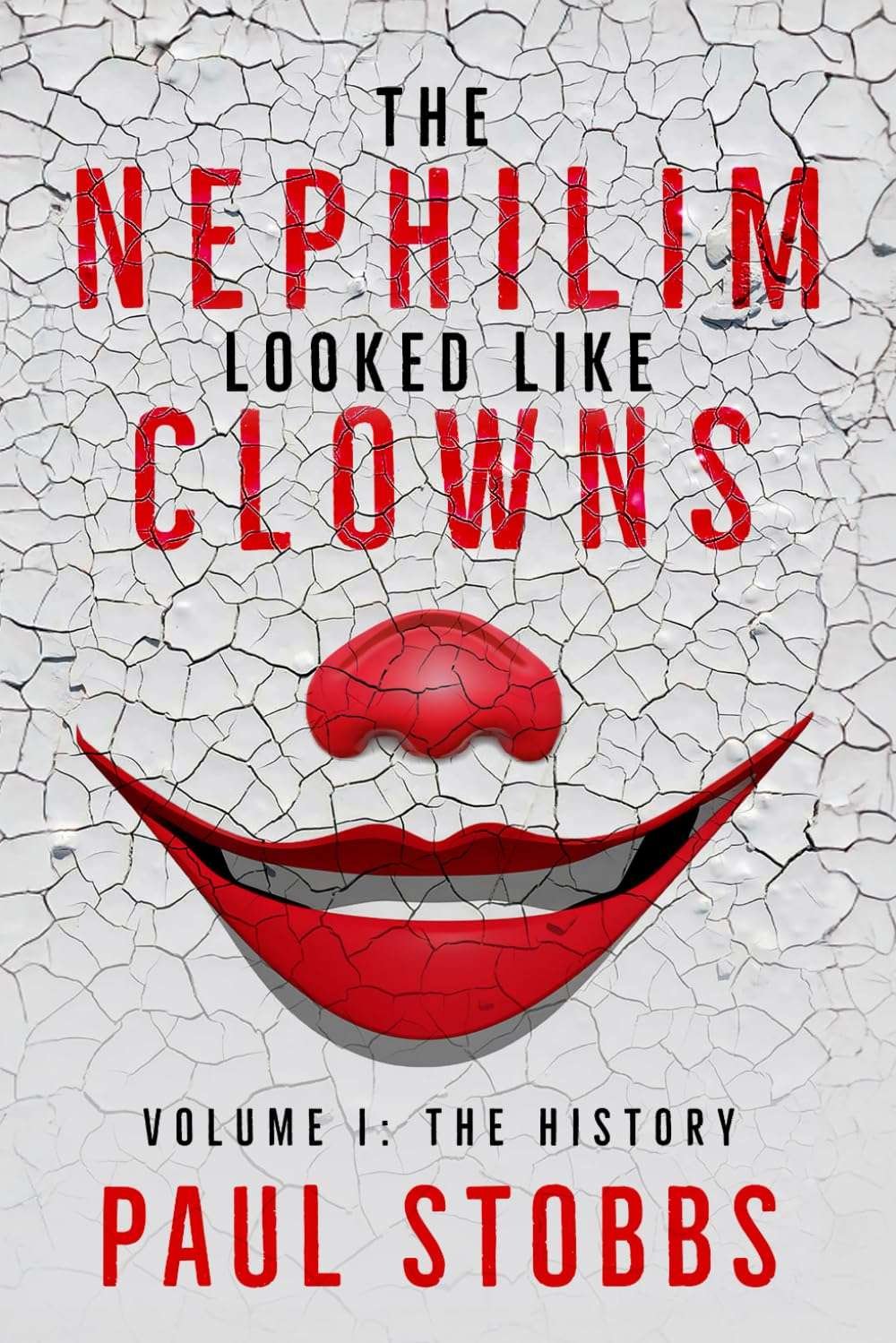
When you hear the word ‘clown’, what is the first thing that comes to mind? It probably isn’t giant, bloodthirsty predators who ruled over humanity after usurping all the earthly kingdoms of an antediluvian age. Likewise, when one imagines Nephilim, it would be absurd to conjure up a scene of white-faced circus performers honking their horns and making fools of themselves in colourful costumes, right? The half-divine, half-mortal offspring of the watchers have been a contentious field of study for theologians and Christian contrarians for a long time. However, while most have focused their efforts on proving the existence of these beings, (until now) no researcher of the Nephilim has ever stopped to ask themselves earnestly, “What did these monsters really look like?” With respectful observation of ancestor spirit worship cultures, historical facts and a tongue-in-cheek passion, this book series bridges the gap between the seemingly disparate words: Nephilim and Clown. After reading this book, you will know that circuses are no joke; they are occult rituals. You will recognise that the clown as we know it today, is a purposefully crafted caricature of a much more ancient and fearfully colourful predator, still hunting us today… You will understand that The Nephilim Looked Like Clowns.
Introduction to Paul Stobbs
Paul Stobbs is a researcher and author known for his unorthodox approach to interpreting historical and mythological texts. His work often challenges traditional narratives, inviting readers and viewers to reconsider the origins and meanings behind familiar symbols and stories. With The Nephilim Looked Like Clowns, Stobbs presents a compelling case that challenges both biblical scholars and enthusiasts of mythology.
The Nephilim-Clown Connection
At the heart of Stobbs’ theory is the assertion that the Nephilim, described in biblical texts as giants or supernatural beings, share a striking resemblance with modern clowns. He argues that the exaggerated features of clowns—such as colourful attire, red noses, and painted faces—are not merely playful disguises but rather modern representations of ancient entities. This connection is not merely aesthetic; Stobbs suggests that clown costumes are designed to channel spirits or entities resembling the Nephilim.
Stobbs’ research extends beyond biblical texts to explore how similar imagery appears in various cultural traditions. He examines ancestor worship and rituals across different societies, proposing that these costumes were originally used to invoke or honor supernatural beings.
Historical and Cultural Analysis
A significant part of Stobbs’ work involves a deep dive into historical and cultural contexts. He explores the origins of clown symbolism in ancient traditions, Freemasonry, and secret societies. According to Stobbs, circuses and clown performances are not just entertainment but have roots in occult rituals. Clowns, in this context, symbolise spiritual ringmasters controlling or channeling demonic forces.
Stobbs also draws parallels between clowns and mythological beings from both Indian and Western traditions. This comparative analysis highlights the recurring themes of supernatural entities and their representation across cultures.
Media and Symbolism
Stobbs critiques the portrayal of clowns in popular culture as innocent or comedic, arguing that their true nature is rooted in darker spiritual or demonic associations. He discusses how modern media perpetuates clown imagery, potentially as part of an agenda tied to secret societies or occult practices.
YouTube Series and Public Appearances
Paul Stobbs‘ YouTube channel, Understanding Conspiracy, has been a platform for him to share his research with a wider audience. His series on the Nephilim-clown theory began in 2016 and has since gained significant attention. Stobbs has also appeared on various podcasts, where he elaborates on his findings and addresses skepticism from listeners.
Conclusion
Paul Stobbs‘ theory, though controversial, has sparked intriguing discussions about the intersection of mythology, history, and modern symbolism. By challenging conventional interpretations of both biblical texts and cultural symbols, Stobbs invites us to reconsider the origins and meanings behind familiar stories and images. Whether one agrees with his conclusions or not, The Nephilim Looked Like Clowns offers a thought-provoking journey into the mysteries of human culture and symbolism.
Sources and links
Odysee: Understanding Conspiracy
YouTube: Understanding Conspiracy
The Nephilim Looked Like Clowns: Volume I: The History
Source: The NEPHILIM Looked Like CLOWNS | Understanding Conspiracy









Leave a Comment
Want to join the discussion?Feel free to contribute!