

Why Are Ivy League College Students Being Treated Like Babies Now? | Truthstream Media
Disempowerment Strategies
Why Are Ivy League College Students Being Treated Like Babies Now? – Nov 2024 | Truthstream Media
Infantilisation in psychological warfare undermines autonomy, encourages dependency, and stifles critical thinking, particularly in higher education, where regimes control narratives and suppress dissenting voices.
Infantilisation, the act of treating adults as if they are children, is a significant psychological manipulation tactic employed in various contexts, including psychological warfare. The_Void explores how regimes utilise infantilisation to exert control, induce feelings of helplessness, and achieve demoralisation and disempowerment among targeted populations.
Mechanisms and Effects
Infantilisation as a Tool of Psychological Warfare
Understanding Infantilisation
Infantilisation involves the prolonged treatment of individuals as if they lack the maturity or capability expected of adults. This practice can manifest in various forms, such as using patronising language, making decisions on behalf of others, or undermining their autonomy. Studies indicate that individuals who experience infantilisation often report feelings of disrespect and dehumanisation, which can severely impact their self-esteem and sense of agency.
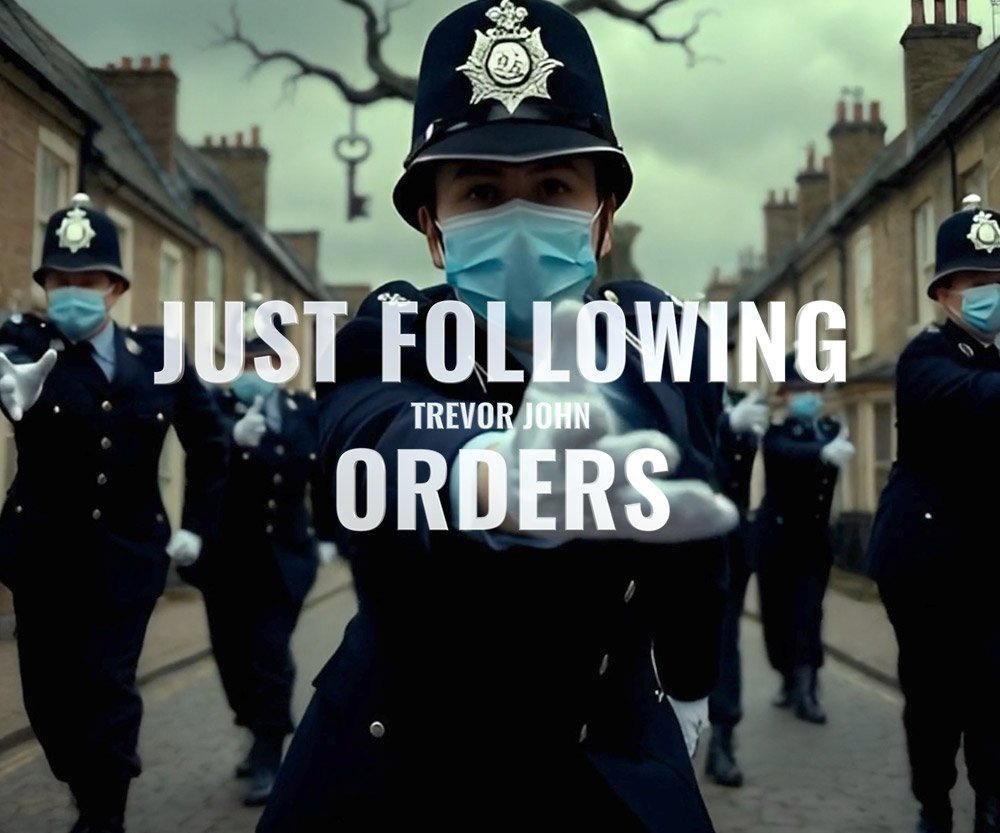
Mechanisms of Infantilisation in Psychological Warfare
Propaganda and Media Manipulation: Regimes often employ propaganda to frame adversaries or dissenters as immature or incapable. By portraying opponents in a negative light, they create a narrative that justifies oppressive actions against them. This manipulation not only shapes public perception but also reinforces the regime’s authority.
Emotional Control Tactics: Techniques such as gaslighting—where the manipulator causes the victim to doubt their perceptions—are commonly used alongside infantilisation. By encouraging fear, confusion and dependency, regimes maintain control over individuals’ thoughts and behaviours. This emotional manipulation leads to a diminished capacity for critical thinking among the populace.
Isolation Strategies: Emotional isolation is another tactic that complements infantilisation. Regimes isolate individuals from their support networks, promoting dependency on the state for emotional and psychological support. This isolation is achieved through misinformation campaigns that sow distrust among community members, particularly evident during the COVID period.
Effects of Infantilisation
The psychological effects of infantilisation are profound and multifaceted:
Demoralisation: Individuals subjected to infantilisation often experience a significant decline in morale. The constant undermining of their capabilities leads to feelings of inadequacy and hopelessness, making them more susceptible to compliance with authoritarian demands.
Disempowerment: By stripping individuals of their autonomy, regimes promote a culture of dependency. This disempowerment not only affects personal agency but also stifles collective resistance movements, as individuals may feel incapable of effecting change within their communities.
Long-term Psychological Impact: The long-term consequences of sustained infantilisation include chronic low self-esteem, anxiety, and an inability to assert oneself effectively. Victims struggle with decision-making and problem-solving skills due to the continuous undermining of their confidence.
Infantilisation in Higher Education
In the context of higher education, infantilisation manifests as a deliberate strategy employed by regimes and institutions to exert control over students and faculty. This approach not only undermines the intellectual autonomy of individuals but also serves broader political and social objectives. By analysing how infantilisation operates within educational settings, we can better understand its implications for academic freedom, critical thinking, and the overall educational experience.
Mechanisms of Infantilisation in Higher Education
Curricular Control: Regimes influence educational curricula to promote ideologically aligned narratives while suppressing dissenting viewpoints. This involves the removal of controversial topics or the promotion of overly simplistic interpretations of complex issues. By controlling what is taught, authorities infantilise students by limiting their exposure to diverse perspectives and critical thought.
Censorship and Surveillance: The implementation of strict censorship policies and surveillance measures in academic environments creates a culture of fear among students and faculty. When individuals feel that their expressions or ideas are being monitored or censored, they are likely to self-censor, leading to a stifling of intellectual discourse. This environment promotes dependency on authority figures for validation and guidance, reinforcing infantilising dynamics.
Emotional Manipulation: Educational institutions employ emotional manipulation tactics to maintain compliance among students. For instance, invoking feelings of guilt or shame regarding national identity or historical actions can pressure students into conforming to prescribed narratives. Such tactics not only undermine students’ confidence in their own beliefs but also create an atmosphere where questioning authority becomes associated with negative emotions.
Effects of Infantilisation on Students
Decreased Critical Thinking: When students are subjected to infantilisation, their ability to engage in critical thinking diminishes. This occurs as they become accustomed to relying on external authorities for knowledge rather than developing their analytical skills. Consequently, graduates enter the workforce ill-equipped to challenge prevailing norms or innovate within their fields.
Erosion of Academic Freedom: Infantilisation contributes to an erosion of academic freedom as educators feel pressured to conform to institutional mandates rather than pursue independent research or teaching methodologies. This stifling effect not only impacts individual staff members but also limits the overall intellectual diversity within academic institutions.
Psychological Impact: The long-term psychological effects of infantilisation in higher education include low self-esteem, anxiety, and a diminished sense of agency among students. When individuals are conditioned to view themselves as incapable of independent thought or action, they may struggle with assertiveness and decision-making in both personal and professional contexts.
Conclusion
Infantilisation serves as a powerful tool in psychological warfare, enabling regimes to manipulate perceptions, control behaviours, and suppress dissent. By inducing feelings of helplessness and worthlessness, these tactics effectively demoralise populations and maintain authoritarian control. Understanding the mechanisms and effects of infantilisation is crucial for recognising its role in broader strategies of psychological manipulation and social engineering.
Infantilisation in higher education represents a significant form of psychological manipulation that undermines the core values of academic inquiry and intellectual independence. By controlling curricula, enforcing censorship, and employing emotional manipulation tactics, regimes effectively stifle dissent and promote conformity among students. The repercussions extend beyond individual experiences, affecting the broader landscape of education and society at large.
Recognising these tactics is essential for promoting environments that encourage critical thinking, creativity, and resilience against authoritarian influences.
Sources and links
The Lasting Impact of Infantilization – Authentic Living Therapy
Infantilization: Causes And Symptoms Of Infantilizing – BetterHelp
Intrusiveness and Emotional Manipulation as Facets of Parental Psychological Control
Isolation and Manipulation Tactics Used by Abusers – Evans Law Firm, Inc.
Source: Why Are Ivy League College Students Being Treated Like Babies Now? – YouTube



























Leave a Comment
Want to join the discussion?Feel free to contribute!