
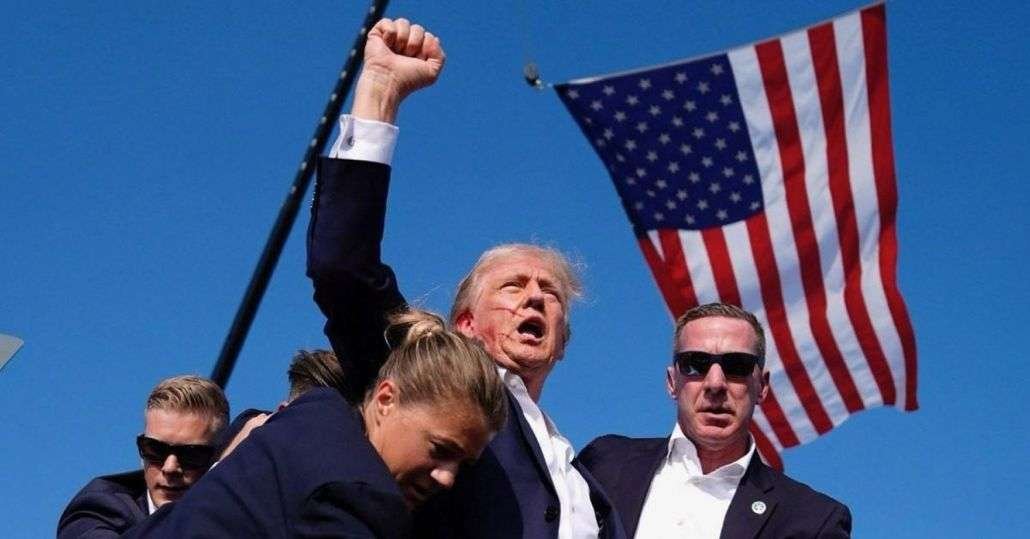
Playing The Trump Card | Quick Guide
Choose Your Game
Playing The Trump Card – Aug 2024 | Quick Guide
The alleged assassination attempt on Donald Trump in July 2004 sparked a tangled web of official accounts and alternative narratives, revealing psychological warfare, propaganda, and social engineering in action.
This incident, occurring during a campaign rally in Butler, Pennsylvania on July 13, 2024, raised numerous questions about security, motives, and the ensuing media narratives. The official mainstream media account of what happened that day is so absurd that we can simply dismiss it as totally unfeasible, which suggests two options; either the assassination attempt was a “failed deep-state operation” or an orchestrated hoax.
In the videos above, The Truth Is Stranger Than Fiction, Ole Dammegard, Max Igan, The Freedom Articles, Tim Truth, and toxicpaul61 offer their assessments of the event.
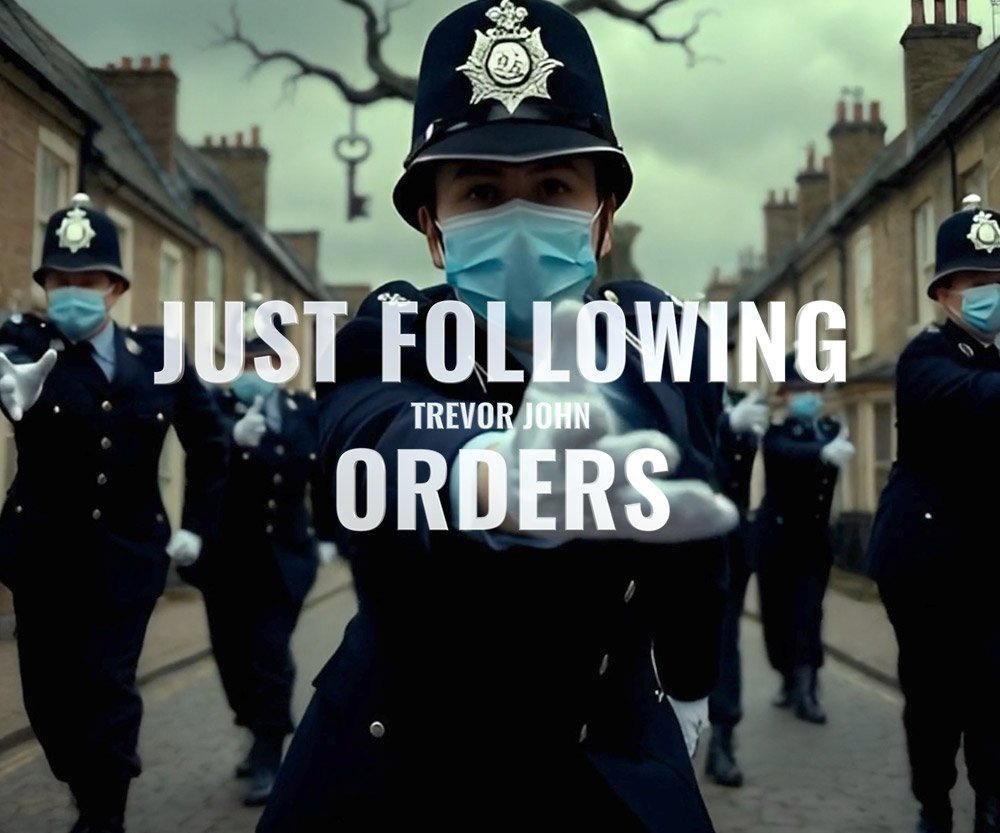
Assassination Attempt
Official Narrative and Alternative Perspectives
The supposed attempted assassination of Trump has raised significant questions. The official narrative, alongside various alternative perspectives, reveals a tangled landscape of absurdities and contradictions, anomalies, failures, and strange behaviours that merit critical examination.
The Official Narrative
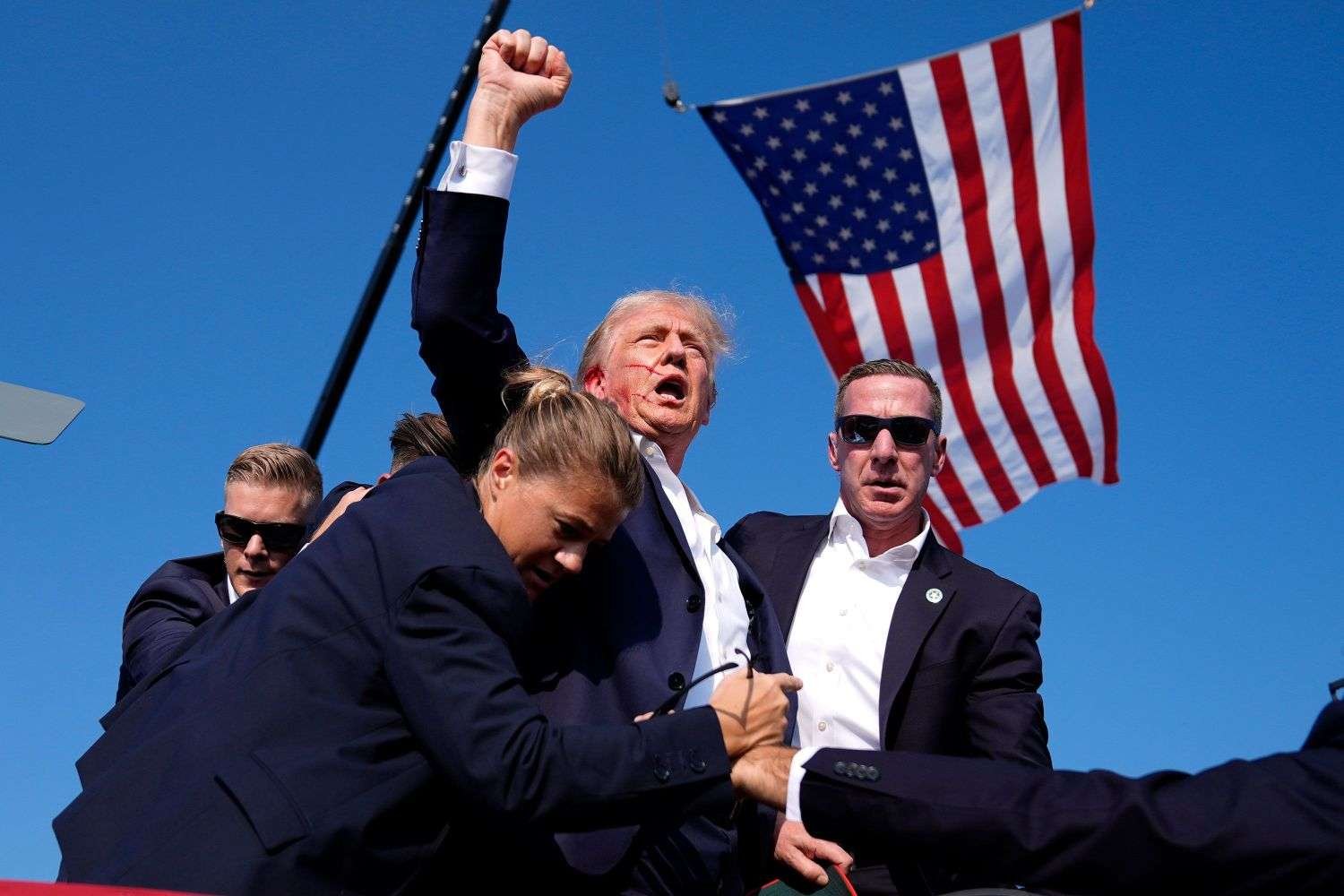
The FBI reported that 20-year-old Thomas Matthew Crooks fired six to eight rounds from a rooftop at Trump, grazing him in the ear and resulting in the death of a rally attendee. The Secret Service swiftly responded, killing Crooks and whisking Trump off the stage, but not before stopping for an iconic photo opportunity. The incident was marked by a series of extraordinary events, including the remarkable photography of Doug Mills, a Pulitzer Prize-winning photographer for the New York Times.
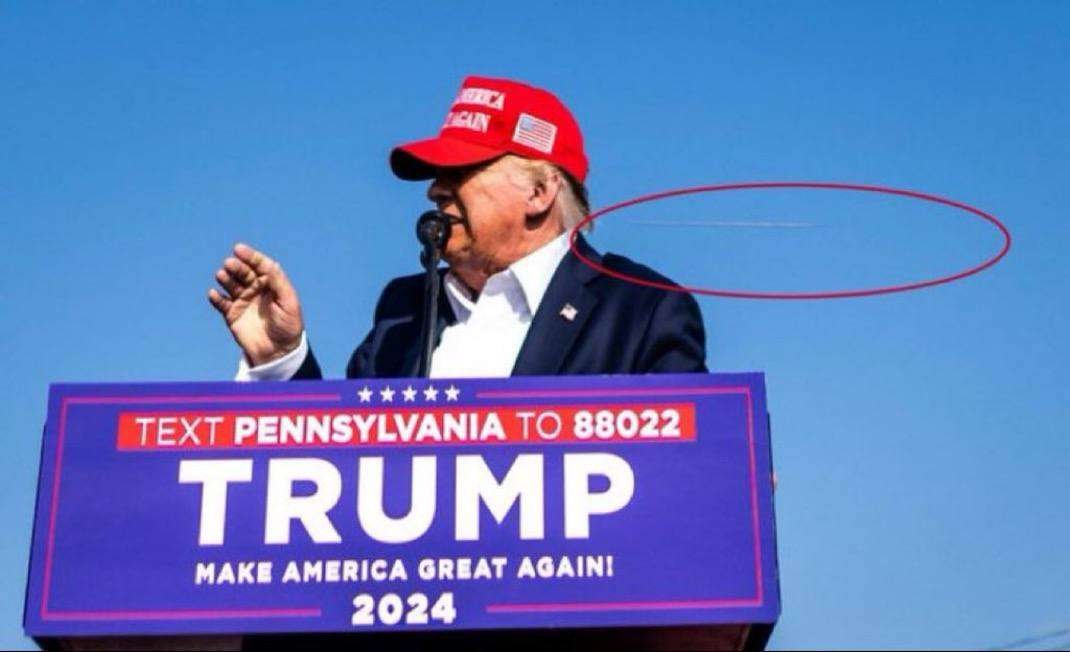
Mills was positioned just below the podium when the shots rang out. Initially “mistaking the noise for a backfiring vehicle”, he continued to shoot pictures. In a stunning turn of events, we are lead to believe he later discovered that one of his images appeared to capture a bullet flying past Trump’s head. This “one-in-a-million” shot, apparently taken with a shutter speed of 1/8,000th of a second, has been described as showing the displacement of air from a projectile, adding convenient significance to the moment captured on film.
Strange Behaviour of the Secret Service
Despite the apparent immediate danger, the actions of the Secret Service during and after the shooting raise serious questions:
Defiant Gestures: After supposedly being shot, Trump was seen pumping his fist and addressing the crowd defiantly, seemingly unaware of whether any additional threat was present. This behaviour was criticised as reckless, but resulted in iconic imagery for the news feeds.
Delayed Response: The Secret Service reportedly received multiple warnings about a suspicious individual in the area prior to the shooting. Yet, these alerts did not translate into adequate protective measures, apparently allowing Trump to take the stage without heightened security precautions.
Evasive Testimony: During congressional hearings, Secret Service Director Kimberly Cheatle faced intense scrutiny for her vague responses regarding the agency’s failures. Lawmakers expressed frustration over the lack of accountability and clarity in the agency’s handling of the incident.
Absurdities and Contradictions
The official narrative is further complicated by contradictions and statements made by Trump himself. At the Republican National Convention (RNC), 5 days after the shooting event, Trump claimed,
“…moved my right hand up to my ear, brought it down, my hand was covered with blood, just absolutely blood all over the place.”
This assertion has been challenged, as many eyewitness accounts and photography indicate that the blood was not as extensive as he described, if any, raising questions about the accuracy of his statements and the motivations behind them.
Alternative Perspectives
The strange behaviour of the Secret Service, combined with the numerous anomalies in the official account, has led to speculation that the assassination attempt was a staged event or a false flag operation. Concepts such as “Twilight Language,” “Kayfabe,” and “Psychodrama” are invoked to suggest that the incident is part of a broader psychological manipulation strategy, designed to influence public perception and political discourse.
The combination of the iconic photography, the strange behaviour of the police and the Secret Service, and the contradictions in Trump’s statements, amongst many other weird anomalies and contradictions, have fuelled numerous alternative narratives. The extraordinary circumstances surrounding the event suggest a deeper manipulation at play, indicative of a psychological operation designed to shape public perception.
Psychological Warfare: The public’s growing mistrust of institutions has made them more receptive to alternative explanations, particularly when faced with such glaring inconsistencies.
Public Distrust: The incident is emblematic of a political landscape rife with deception and obfuscation.
Kayfabe and Theatrics
Kayfabe Defined
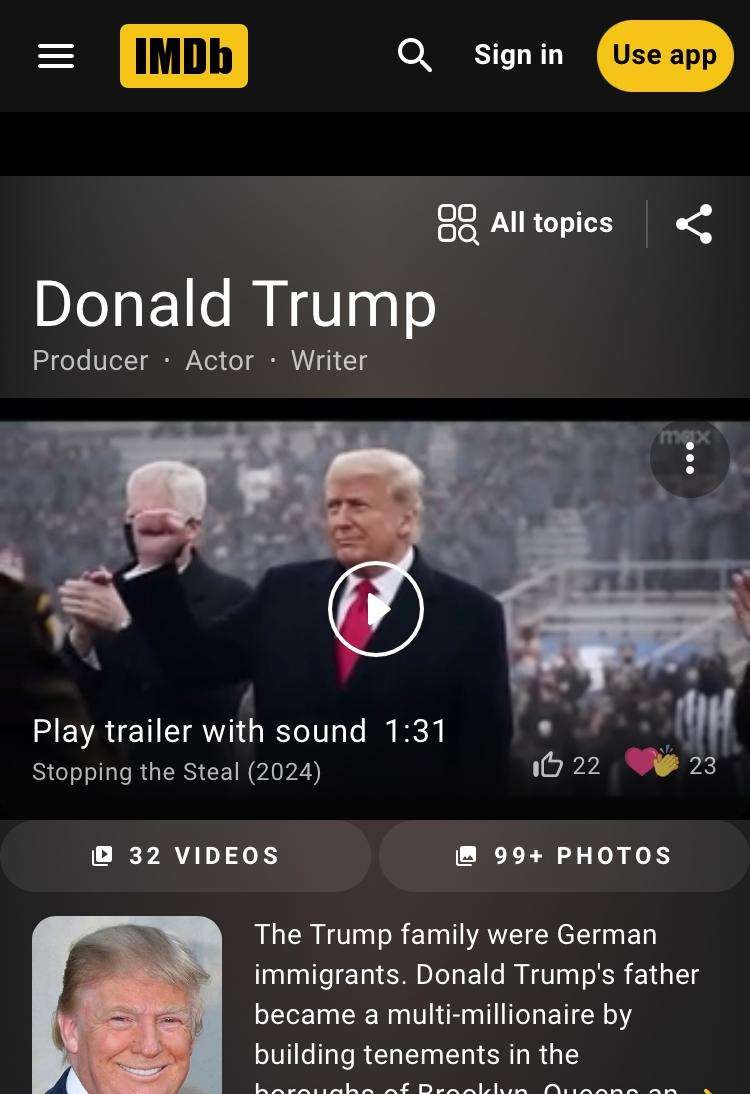
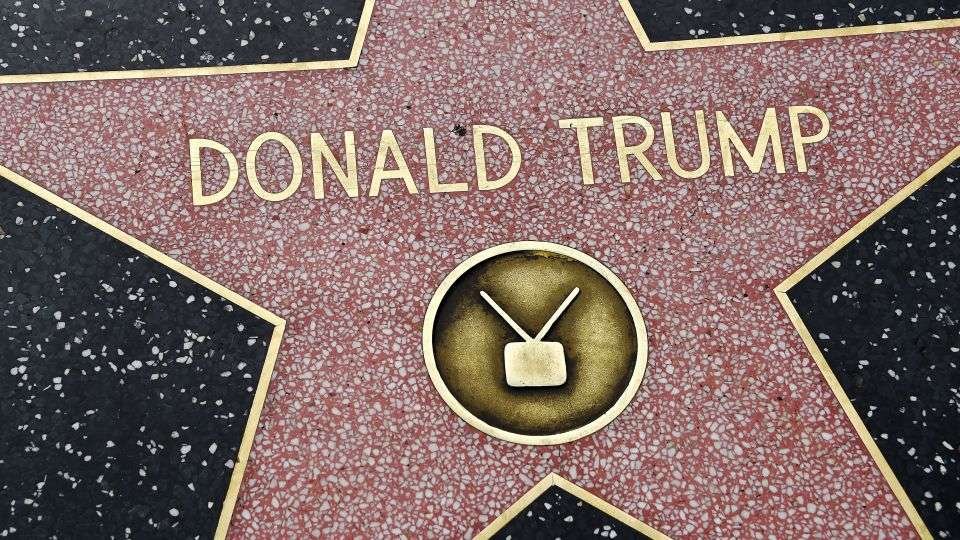
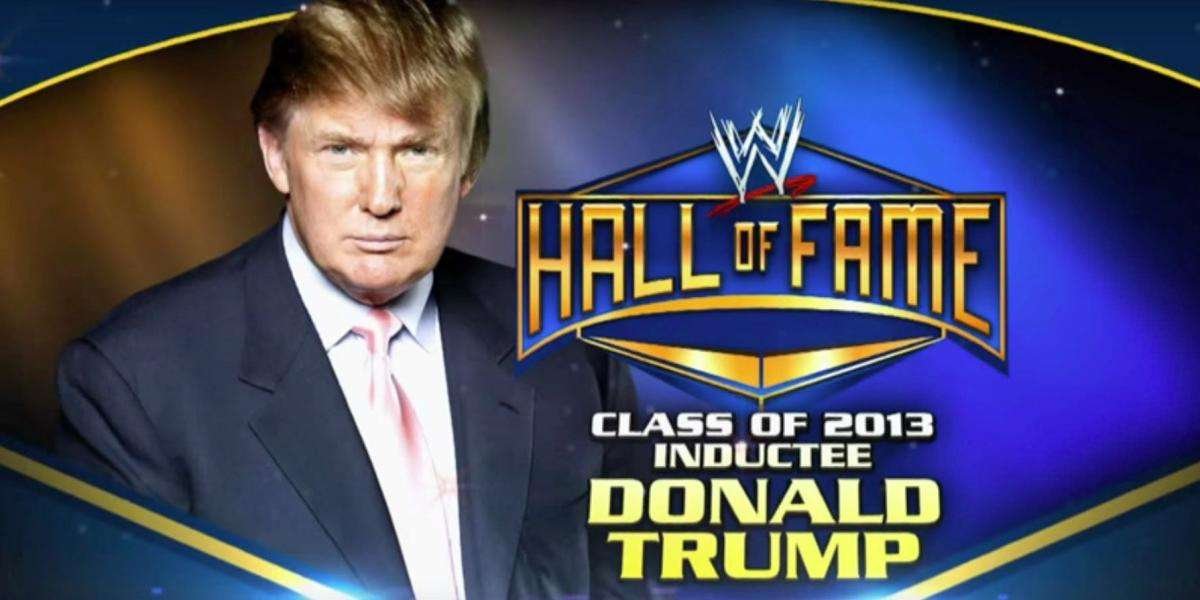
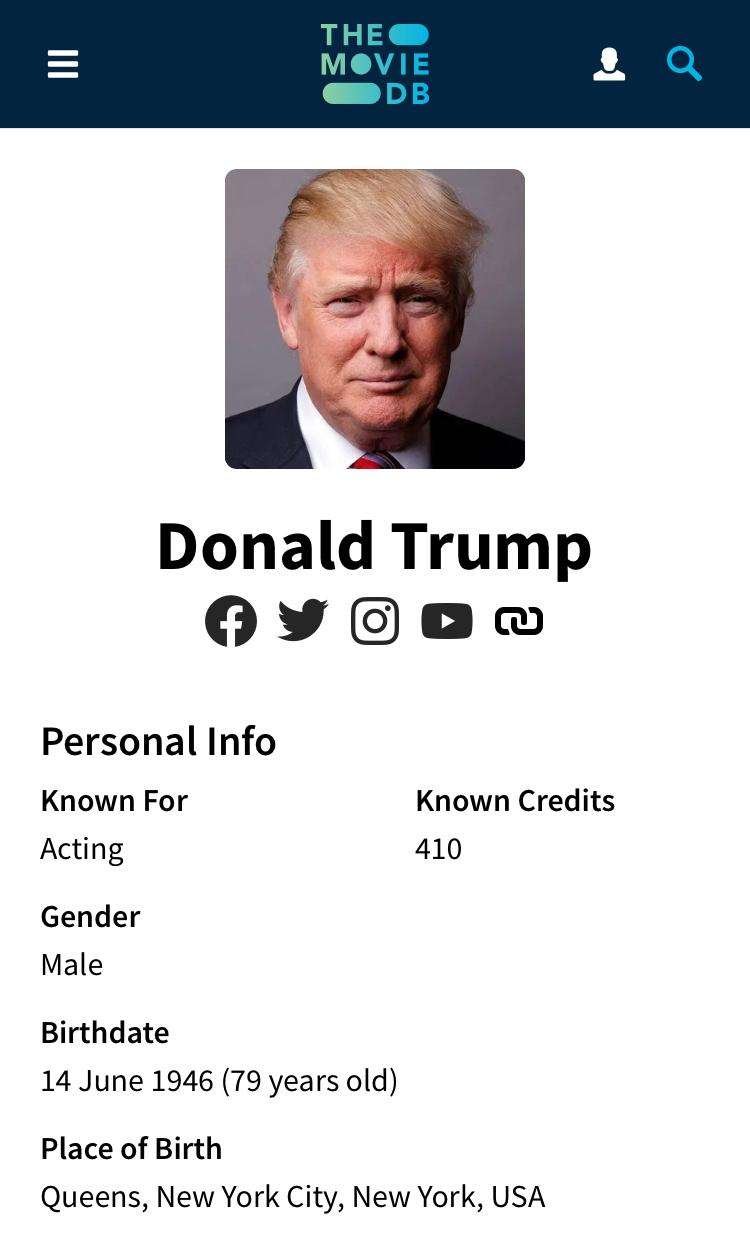
Kayfabe is a term originating from professional wrestling that denotes the practice of maintaining the illusion that staged events are real. It involves a tacit agreement between performers and their audience to accept the scripted personas, rivalries, and storylines as genuine. This concept extends beyond wrestling into various aspects of culture, including politics and media, where the lines between reality and performance often blur. Appropriately, Donald Trump has had a long-running involvement with WWF as a sponsor, on-screen personality, Hall of Famer, and business associate.
Theatrical Elements
The use of kayfabe and theatrics in psychological warfare can be seen in several contexts:
- Political Discourse: The modern political landscape often resembles a wrestling match, where politicians adopt personas and engage in dramatic confrontations. This theatricality serves to engage the audience emotionally, creating a spectacle that distracts from substantive issues. For example, Donald Trump’s campaign tactics have been likened to wrestling promotions, where image projection plays a crucial role. Political narratives are crafted to evoke strong emotional responses from supporters, similar to how wrestling storylines are designed to captivate audiences.
- Media Manipulation: News outlets often employ kayfabe-like strategies by presenting information in a way that emphasises drama over factual accuracy. This “scripted reality” approach creates a narrative that audiences are encouraged to engage with, leading them to suspend disbelief about the authenticity of what they are witnessing. This manipulation effectively shapes public perception and influence societal beliefs.
- Cultural Events: Events such as reality television shows and even certain social rituals can be seen as forms of kayfabe. Participants and viewers alike engage in a collective suspension of disbelief, allowing for an experience that feels real despite its constructed nature. This phenomenon is used strategically in psychological operations to create narratives that resonate with specific audiences.
Psychological Impact
The effectiveness of kayfabe in psychological warfare lies in its ability to manipulate perception and belief systems. Audiences are drawn into a world where they feel emotionally invested, often blurring the lines between reality and performance. This leads to:
Increased Engagement: Just as wrestling fans become emotionally involved with storylines, political supporters rally around candidates whose performances resonate with their beliefs or emotions.
Cognitive Dissonance: Audiences experience conflict between their understanding of reality and the constructed narratives they consume, leading them to rationalise or dismiss contradictory information.
Social Identity Formation: The theatrical elements of kayfabe reinforce group identities, as individuals align themselves with particular narratives or personas that resonate with their values or experiences.
Kayfabe and theatrics play significant roles in psychological warfare by shaping perceptions through emotional engagement and narrative construction. Whether in politics or media, these elements serve to manipulate public sentiment and reinforce social identities, highlighting the power of performance in contemporary society.
Assessing a Psyop
The supposed assassination attempt on Donald Trump has raised unsettling questions about accountability and transparency. While the official narrative provides a straightforward account of events, the media lies, extraordinary photography, strange behaviour of the authorities, and numerous contradictions have led to a fertile ground for alternative narratives.
It is essential to maintain a critical perspective, examining both the official account and emerging narratives with discernment. In an era marked by incessant psychological operations and propaganda, understanding the motivations and implications behind such incidents is crucial.
Sources and links
Videos
The Trauma Game… | Truth Stranger Than Fiction
IA – Renowned False Flag Researcher Ole Dammegard – Trump, Shot – Or Not
Trump Shooting – A Closer Look – What we Know and What We Don’t | Max Igan
20 Key Questions Exposing the Trump Assassination Hoax – Video #120 | The Freedom Files
The Ultimate Guide To Trump Assassination Predictive Programming: A Scripted Hoax?! | Tim Truth
COREY COMPERATORE’S “DEATH” WAS ANOTHER FALSE FLAG (CENSORED ON X) | toxicpaul61
Secret Service Director Kimberly Cheatle testifies in House hearing
MONEY SHOT: Trump’s Staged Assassination & the AI Race into the Abyss…
Kayfabe
Permission to Jeer – Public Books
12 Psychological Warfare Strategies Used Throughout History – The Collector
Psychological Warfare | Propaganda, Mind Games & Tactics – Britannica
Psychological warfare – Wikipedia










Leave a Comment
Want to join the discussion?Feel free to contribute!