
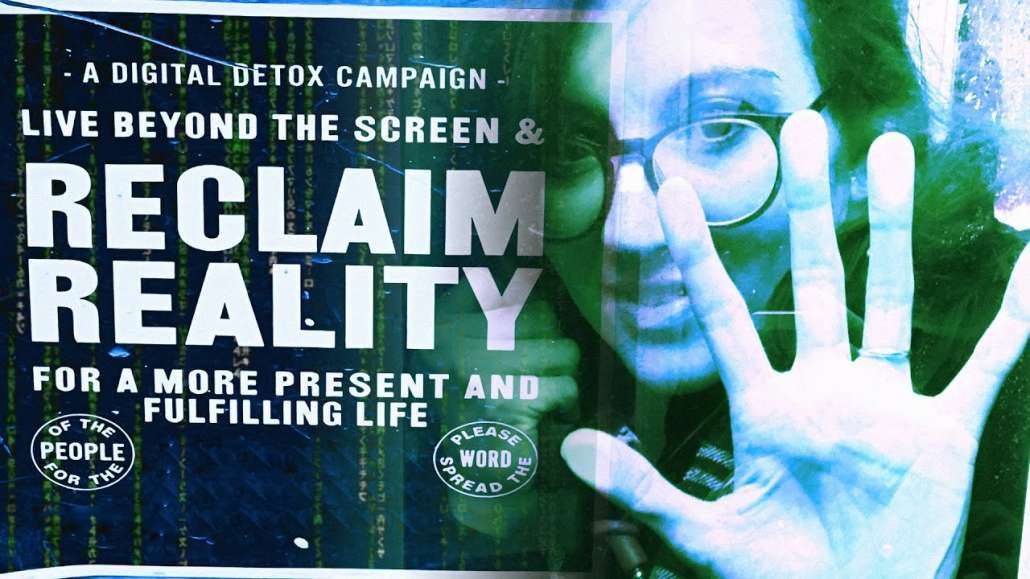
What Lies Beyond the Image of Our Humanity? | Truthstream Media
New Man
What Lies Beyond the Image of Our Humanity? – 1 Apr 2025 | Truthstream Media
Dehumanisation, Demoralisation, and Transhumanism:
Steering Humanity Through Psychological Manipulation
The controllers often use demoralisation and dehumanisation as tools to influence societal transformation, including steering humanity toward transhumanist ideals.
In the age of rapid technological advancement, humanity faces a profound shift in how it perceives itself and its future. This transformation is not occurring organically; it is driven by regimes and institutions employing psychological manipulation techniques like dehumanisation and demoralisation to shape societal attitudes and steer humanity toward transhumanist ideals. These tactics exploit vulnerabilities in human psychology, eroding traditional values and paving the way for radical change.
Dehumanisation:
Reducing Humanity to “Less Than Human”
Dehumanisation is a psychological process where individuals or groups are stripped of their human qualities, making them appear undeserving of moral consideration. Historically, this tactic has justified atrocities such as genocide, slavery, and torture.

In contemporary contexts, dehumanisation extends beyond social divisions. It aligns with transhumanist ideologies that view the biological human condition as flawed or obsolete. By framing humanity as inherently weak—subject to disease, aging, and emotional instability—transhumanism advocates for technological augmentation to “fix” these perceived shortcomings.
Demoralisation:
Eroding Confidence in Humanity
Demoralisation involves the systematic breakdown of societal values and individual self-worth. It fosters despair and alienation by undermining belief in shared human dignity. This process serves several purposes:
- Cultural Fragmentation: Traditional values such as empathy, solidarity, and respect are replaced with cynicism and self-interest. This creates fertile ground for alternative ideologies like transhumanism to take hold.
- Loss of Identity: Individuals begin to see themselves not as valuable humans but as entities needing improvement through technology.
Demoralisation amplifies feelings of inadequacy, making populations more receptive to the idea that humanity must evolve beyond its natural state through technological intervention.
Transhumanism:
The Engine of Transformation
Transhumanism seeks to transcend biological limitations by integrating technology into human life. Its supposed goals include eliminating disease, extending lifespan, and enhancing cognitive abilities through innovations like:
- Genetic engineering
- Artificial intelligence (AI)
- Brain-computer interfaces
- Nanotechnology.
While these advancements promise progress, they also present serious ethical dilemmas. By promoting the idea that humanity is inherently deficient, transhumanism risks alienating those who value natural human experiences. Furthermore, it raises questions about autonomy—whether individuals truly choose enhancement or are coerced by societal pressures.
How Dehumanisation and Demoralisation Facilitate Transhumanism
The interplay between dehumanisation, demoralisation, and transhumanism reveals a deliberate strategy:
- Reduction of Human Value: Dehumanisation frames humanity as weak or inferior, justifying the need for technological augmentation.
- Social Engineering: Demoralisation erodes confidence in traditional values, making populations more willing to embrace radical change.
- Ethical Reframing: Transhumanist rhetoric replaces moral frameworks cantered on human dignity with technocentric ethics prioritising efficiency and enhancement.
These tactics enable regimes to reshape societal norms subtly yet effectively, steering humanity toward a future where technology dominates identity and existence.
Critical Concerns
The use of dehumanisation and demoralisation as tools of psychological manipulation is not new; however, their application in advancing transhumanist ideals represents a significant evolution in social engineering. By eroding traditional perceptions of human worth and dignity, these strategies prepare society for a future where humanity itself is redefined. While transhumanism claims to offer potential benefits, its reliance on undermining intrinsic human value raises critical ethical concerns about autonomy, equality, and identity in an increasingly technologised world.
Source: What Lies Beyond the Image of Our Humanity? | Truthstream Media


























Leave a Comment
Want to join the discussion?Feel free to contribute!