
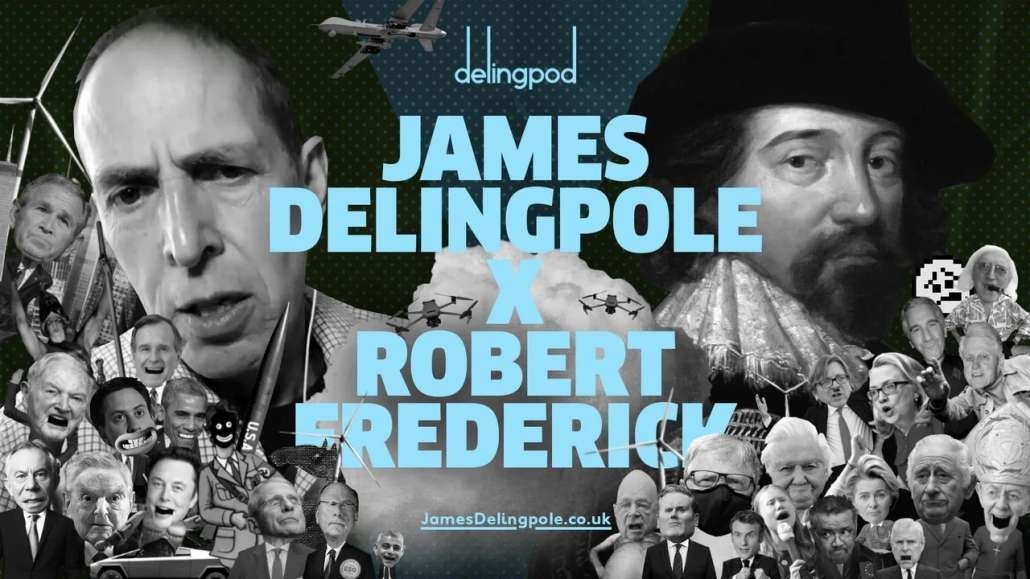
Robert Frederick – Decoding Shakespeare | The Delingpod
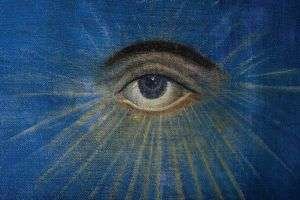
Occult Influence
Robert Frederick – 03 May 2025 | The Delingpod
Hidden systems of influence and control stretch back centuries; Bacon’s legacy reveals how psychological warfare and social engineering are woven into Western civilisation’s foundations.
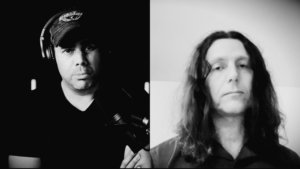
Robert Frederick, host of The Hidden Life Is Best podcast, chats to James about the evil genius of Francis Bacon. Frederick makes the compelling case that much of what is wrong with the world today – including scientism and the power of freemasonry – can be traced back to this brilliant Jacobean scholar, polymath and occultist. He also endeavours to persuade James that Bacon, not Edward De Vere, was the man behind ‘William Shakespeare‘. A highlight of this freewheeling, illuminating, erudite episode is Frederick’s deconstruction of Romeo and Juliet, an occult sacrifice ritual masquerading as a love story.
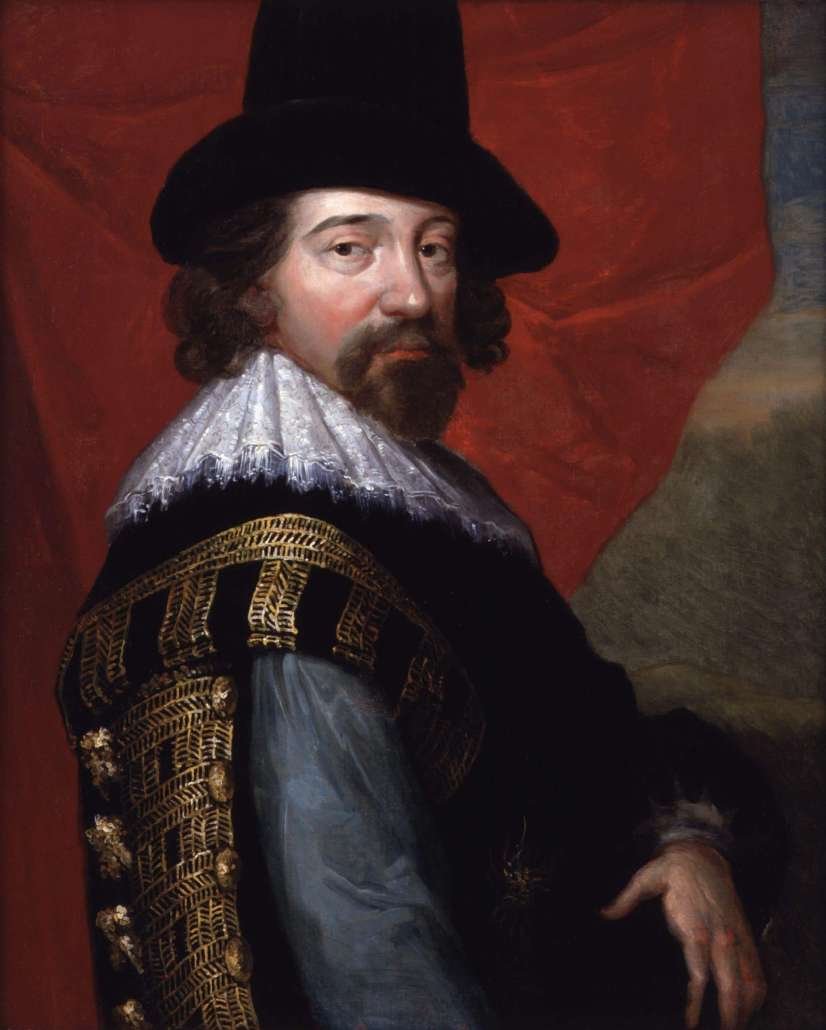
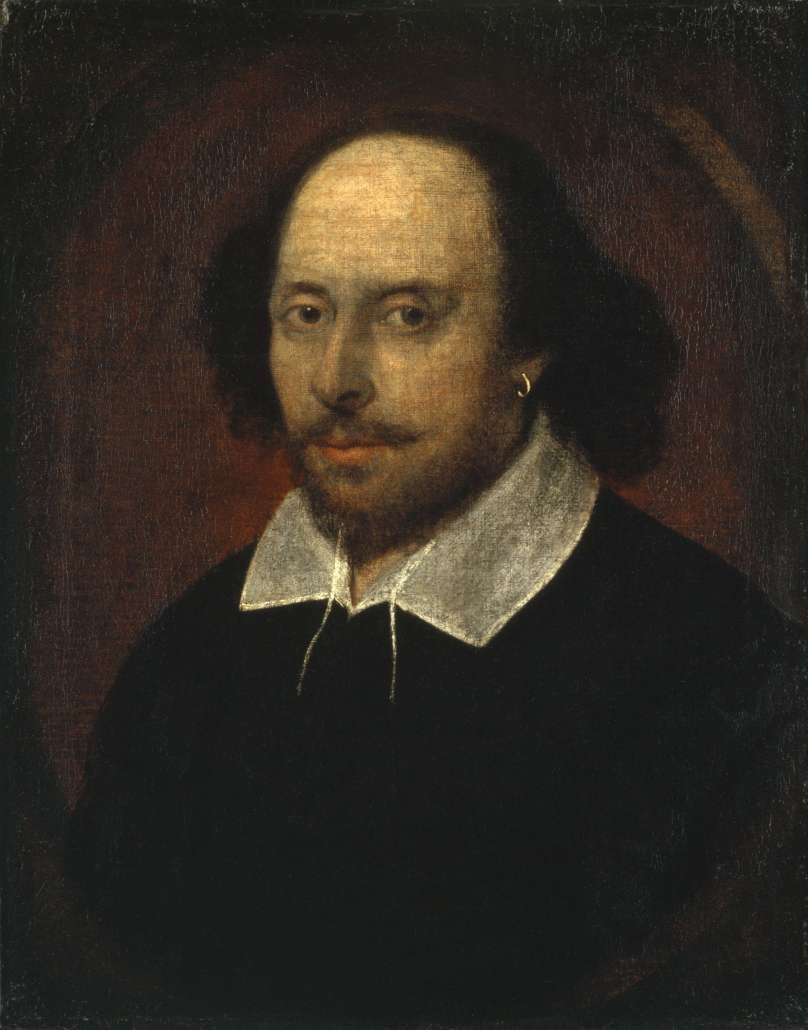
The Deep Roots of Psychological Warfare:
Francis Bacon and the Machinery of Influence.
Unmasking the Architects of Social Control
Theories about Francis Bacon‘s legacy-his alleged authorship of Shakespeare, his occult affiliations, and his foundational role in modern scientific rationalism-are not just historical curiosities. They are powerful reminders of how deep, and how far back, the roots of psychological warfare, propaganda, and social engineering truly go.
Francis Bacon: The “Evil Genius” Behind the Curtain
Robert Frederick’s analysis positions Bacon at the very heart of a centuries-old web of influence. Bacon was not simply an intellectual or political figure; he emerges as a mastermind behind the modern tools used to shape minds and societies. Frederick argues that Bacon’s intellectual legacy laid the foundation for scientism-the elevation of science as the ultimate arbiter of truth-and for the rise of secretive power structures such as Freemasonry.
What makes these claims especially significant for those studying psychological warfare is their implication: the machinery of influence is ancient, sophisticated, and often concealed in plain sight. Bacon, as portrayed by Frederick, was not merely advancing knowledge; he was embedding systems of control, weaving rituals and symbols into the cultural fabric of the West.
Occult Rituals and the Shakespearean Veil
Frederick’s claim that Francis Bacon, rather than Edward de Vere, was the true author behind Shakespeare’s works takes on new significance within this framework. If accurate, it suggests that the most celebrated texts in English literature are themselves instruments of social engineering, layered with esoteric codes and psychological triggers.
His interpretation of Romeo and Juliet as an occult sacrifice ritual disguised as a love story exemplifies this. The play, in this reading, is not merely entertainment but a carefully constructed narrative designed to shape collective consciousness-ritualised trauma cloaked in romance, normalising sacrifice and tragedy across generations.
Empire, Expansion, and the Management of Minds
Bacon’s political philosophy reveals a mind deeply concerned with managing populations and maintaining order. His advocacy for colonial expansion and wars of attrition was, at its core, a strategy for controlling internal conflict and directing societal energies outward. For Bacon, peace was not the absence of conflict but the dominance of a prevailing order-the incapacitation of rivals. This represents psychological warfare on a civilisational scale: the use of narrative, ritual, and power to engineer consent, suppress dissent, and expand control.
How Deep Does the Rabbit Hole Go?
The theories surrounding Francis Bacon are not merely about one man’s intellect or alleged villainy. They offer a window into the mechanisms of psychological warfare and social engineering that have shaped the modern world. From encoding ritual sacrifice in popular narratives to justifying empire as a means of internal control, the fingerprints of deep influence are everywhere.
The lesson for today is clear: the battle for minds and souls is as old as civilisation itself. Its methods-ritual, narrative, trauma, and the manipulation of perception-remain as effective now as in Bacon’s era. To understand the present machinery of propaganda and control, we must look beyond the surface to the hidden architects and ancient blueprints that continue to shape our reality.
https://thehiddenlifeisbest.com
https://substack.com/@robertfrederick
Source: Robert Frederick








Leave a Comment
Want to join the discussion?Feel free to contribute!