
No, Humanity Doesn’t Have to Zombie Walk Into a Dystopic Nightmare Future | Truthstream Media
Dystopian Conditioning
Humanity Doesn’t Have to Walk Into a Dystopic Nightmare | Truthstream Media
We have been conditioned to expect dystopian, nightmare scenarios in the future through dystopian literature, films, TV shows, real-world events, exposure to dystopian themes, cautionary tales, and technological advancements.
These factors contribute to a growing familiarity with and acceptance of dystopian scenarios, making it easier for people to envision and potentially accept such outcomes in the future.
Dystopia is a place of extremely unpleasant living and working conditions for most people and often draw attention to society, environment, politics, economics, religion, psychology, ethics, science, or technology, using an exaggerated worst-case scenario to criticise a current trend, societal norm, or political system.
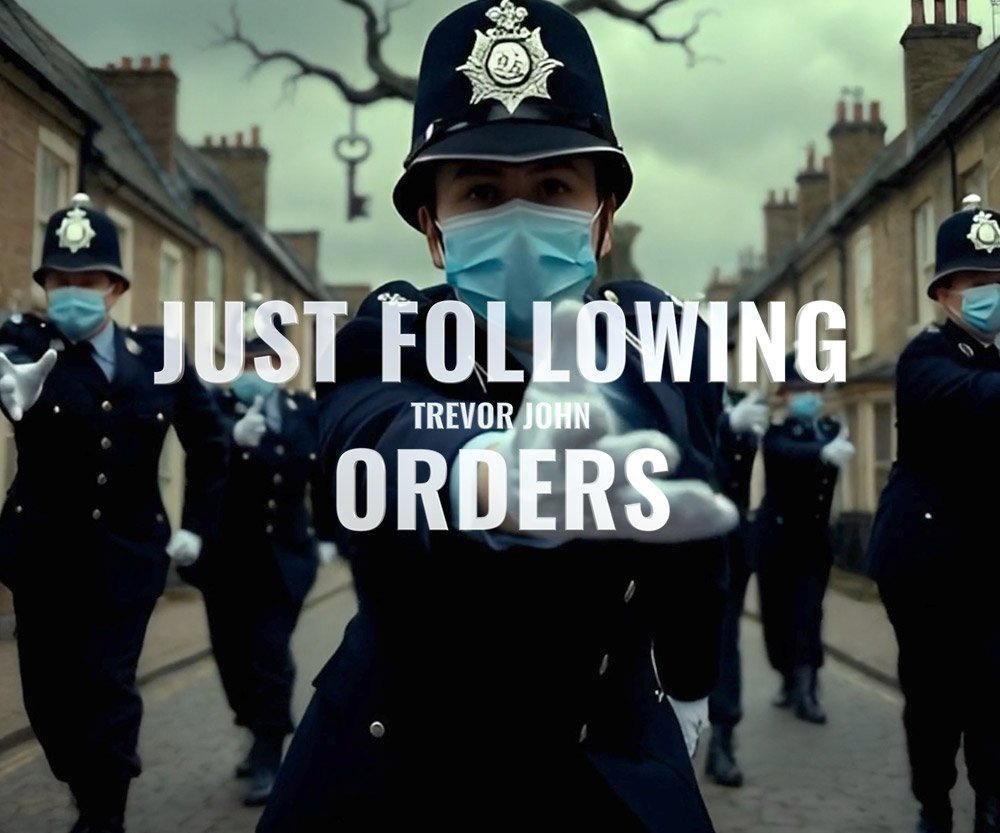
“The beauty of dystopia is that it lets us vicariously experience future worlds – but we still have the power to change our own.”
– Ally Condie
Dystopia describes a world or society in which people lead wretched, dehumanised, fearful lives. It is often characterised by fear or distress, tyrannical governments, environmental disaster, or other characteristics associated with a cataclysmic decline in society. The term “dystopia” comes from the Ancient Greek words “dys” (bad) and “topos” (place).
Dystopian societies often feature strict government control, with people having very little or no privacy. The government may set harsh laws and even censor the public. In some cases, there is no government at all, leading to anarchy and a struggle for survival. Social systems in dystopian stories often break down, with strict governments enforcing one religion for all people or even outlawing religion altogether. Families may be turned against each other, and advanced technology may be used to control the public or make life easier for a select few.
Sound familiar? The_void.
Selling Dystopia
The_Void’s 50 Dystopian Movies
- The Running Man (1987)
- Alita: Battle Angel (2019)
- The Hunger Games (2012)
- Snowpiercer (2013)
- The Matrix (1999)
- Blade Runner (1982)
- Children of Men (2006)
- Brazil (1985)
- The Terminator (1984)
- V for Vendetta (2006)
- The Road (2009)
- The Handmaid’s Tale (1990)
- Mad Max: Fury Road (2015)
- The Island (2005)
- The Giver (2014)
- Equilibrium (2002)
- The Maze Runner (2014)
- The Purge (2013)
- Elysium (2013)
- The Lobster (2015)
- The Time Machine (1960)
- The Day the Earth Stood Still (1951)
- The Omega Man (1971)
- Soylent Green (1973)
- Escape from New York (1981)
- They Live (1988)
- RoboCop (1987)
- Total Recall (1990)
- Demolition Man (1993)
- Gattaca (1997)
- Dark City (1998)
- The Truman Show (1998)
- A.I. Artificial Intelligence (2001)
- Minority Report (2002)
- 28 Days Later (2002)
- The Matrix Reloaded (2003)
- The Matrix Revolutions (2003)
- I, Robot (2004)
- Serenity (2005)
- A Scanner Darkly (2006)
- WALL-E (2008)
- District 9 (2009)
- In Time (2011)
- The Hunger Games: Catching Fire (2013)
- The Hunger Games: Mockingjay – Part 1 (2014)
- The Hunger Games: Mockingjay – Part 2 (2015)
- The Maze Runner: The Scorch Trials (2015)
- The Maze Runner: The Death Cure (2018)
- Ready Player One (2018)
- Ad Astra (2019)
Try naming a Utopian film.

![OC]A selective timeline of famous Dystopias : r/movies](https://preview.redd.it/5fsb83ip8d431.png?auto=webp&s=ac21ba97e9ab535a0e56d1007b20435cf7e98913 "No, Humanity Doesn't Have to Zombie Walk Into a Dystopic Nightmare Future | Truthstream Media 2")

Sources and links
Source: No, Humanity Doesn’t Have to Zombie Walk Into a Dystopic Nightmare Future





Leave a Comment
Want to join the discussion?Feel free to contribute!