
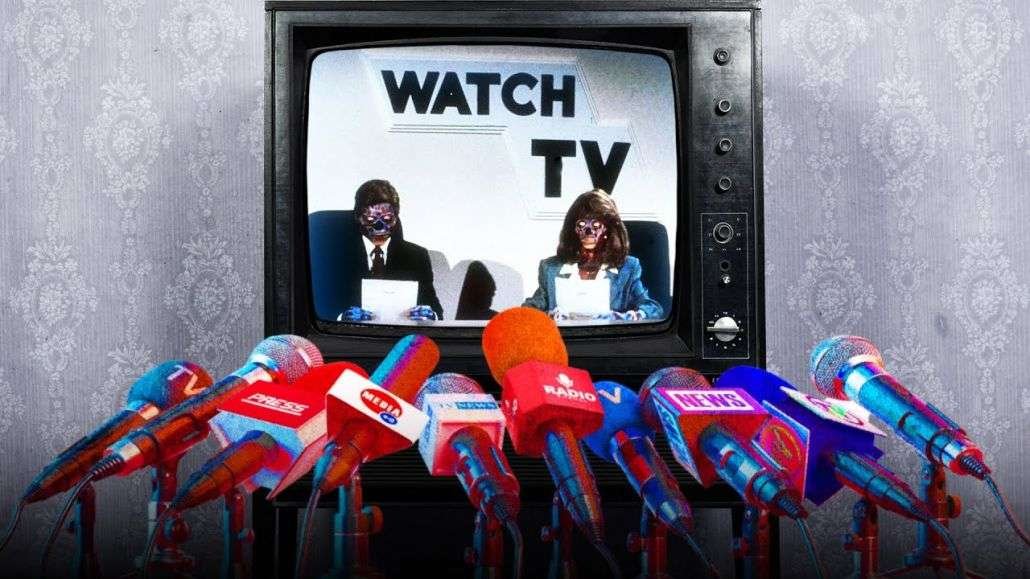
The Mainstream Media Doesn’t Want to Let You Go | Truthstream Media
System Influence and Bias
The Mainstream Media Doesn’t Want to Let You Go – Sept 2024 | Truthstream Media
As traditional trust in mainstream outlets wanes, alternative media platforms have emerged, providing fresh perspectives and allowing for a wider range of voices.
The mainstream media is accused of having an agenda and not reporting the full truth.
Mainstream media‘s influence and bias:
- The mainstream media is owned by the state, a handful of large corporations or wealthy individuals who may have their own interests and agendas. This leads to self-censorship and a lack of critical reporting on certain issues.
- The mainstream media sets the framework for what stories are covered and how they are reported. Stories that don’t fit the mainstream narrative are attacked, ridiculed, ignored or downplayed.
- There is a tendency in the mainstream media to focus on trivial stories and sensationalism rather than in-depth reporting on important issues. This distracts from more serious stories that the public should be informed about. Have you ever heard of Agenda 2030?
- The mainstream media is often referred to as the “Ministry of Propaganda” that keeps people’s eyes off the real issues. It has been accused of failing to properly inform the public and hold those in power accountable.
Alternatives to the Mainstream Media
Given the shortcomings of the mainstream media, many people have turned to alternative news sources to get information. However, even alternative media is not immune to bias and misinformation. It’s important to critically evaluate all news sources and not blindly trust any single outlet, whether mainstream or alternative.

The Evolving Landscape of Trust in Mainstream Media
The decline in trust in mainstream media represents a significant shift in how audiences engage with news and information. This change is viewed positively, as it opens up opportunities for new forms of journalism, diverse perspectives, and a more informed public.
Current Trust Levels
- Poll Insights: Recent surveys indicate that only 34% of Americans express a strong trust in mainstream media, reflects a growing awareness among the public about the importance of critically evaluating information sources.
- Partisan Perspectives: Trust varies widely across political affiliations, with around 70% of Democrats expressing confidence compared to just 14% of Republicans. This disparity highlights the diverse viewpoints and encourages individuals to seek out media that aligns with their values and beliefs.
Historical Context
- Long-term Trends: Trust in media has been on a downward trajectory since the late 1990s, but this decline has prompted a broader conversation about journalistic integrity and accountability. The shift encourages media outlets to reassess their practices and prioritise transparency.
- Rise of Alternative Media: As traditional trust in mainstream outlets wanes, alternative media platforms have emerged, providing fresh perspectives and allowing for a wider range of voices. This diversification enriches the media landscape and empowers audiences to explore various viewpoints.
Positive Consequences of Declining Trust
- Empowerment of Audiences: The decline in trust encourages individuals to become more discerning consumers of news. People are now more likely to question narratives, seek out multiple sources, and engage in discussions about the information they consume.
- Innovation in Journalism: The challenge posed by declining trust has spurred innovation within the journalism industry. New formats like podcasts, newsletters, and independent journalism have flourished, offering audiences engaging and informative content that resonates with their interests.
- Focus on Local News: With national outlets facing skepticism, there is a renewed interest in local journalism. Communities are increasingly supporting local news organisations that provide relevant coverage of issues that matter most to them.
Embracing Change
To harness the positive aspects of this evolving landscape, both media organisations and audiences can take proactive steps:
- Transparency and Engagement: Media outlets can build trust by being transparent about their processes and actively engaging with their audiences. This fosters a sense of community and shared responsibility for accurate reporting.
- Promoting Media Literacy: Educating the public on how to critically assess news sources empowers individuals to make informed decisions about what they read and share. This can lead to a more engaged citizenry that values quality journalism.
Conclusion
Mainstream media‘s corporate ownership structure and focus on sensationalism over substance has led many to question its objectivity and completeness. Seeking out a variety of news sources and thinking critically about what is reported is key to being an informed citizen in today’s media landscape.
The decline in trust in mainstream media presents an opportunity for growth, innovation, and empowerment within the media landscape. By embracing this change, researchers, journalists and audiences can work together to create a more vibrant and trustworthy information ecosystem.
Good riddance to bad rubbish.
Sources and links
Gallup Poll Findings: Media Confidence Matches 2016 Record Low
Bias, Bullshit and Lies: Audience Perspectives on Low Trust in the Media
Americans’ Trust In Media Remains Near Record Low
The Fall, Rise, and Fall of Media Trust
Source: The Mainstream Media Doesn’t Want to Let You Go – YouTube










Leave a Comment
Want to join the discussion?Feel free to contribute!