

The MEGALITHIC Mystery of Baalbek – Massive Stones No One Can Explain | Quick Guide
The MEGALITHIC Mystery of Baalbek
Massive Stones No One Can Explain | Uncharted Mysteries
Massive Pre-Historic Mega Structure That CAN NOT Be Explained: Baalbek | Universe Inside You
Megaliths & Giants of Baalbek Part 1: The Quarry – The Largest Megalith in the World 1650 Tons
Megaliths & Giants of Baalbek Part 2: The 1240 Ton Quarry Stone & The Forgotten Quarries
Baalbek Temple: Ancient Technology & The Egyptian Connection (part 3 of series)
Baalbek Temple | The Mega-Platforms Built by Giants | Part 4 of Series | Megalithomania
Enigmatic Baalbek
A Monument of Mystery and Its Role in the Illusion of History
Something about Baalbek doesn’t make sense — an ancient platform in Lebanon built from stones so massive that no known method could have moved them.
One of these blocks weighs over 1,500 tons, yet it was somehow carved, transported, and stacked with perfect precision thousands of years ago. The mystery of how and why it was built has divided historians, engineers, and archaeologists for decades.
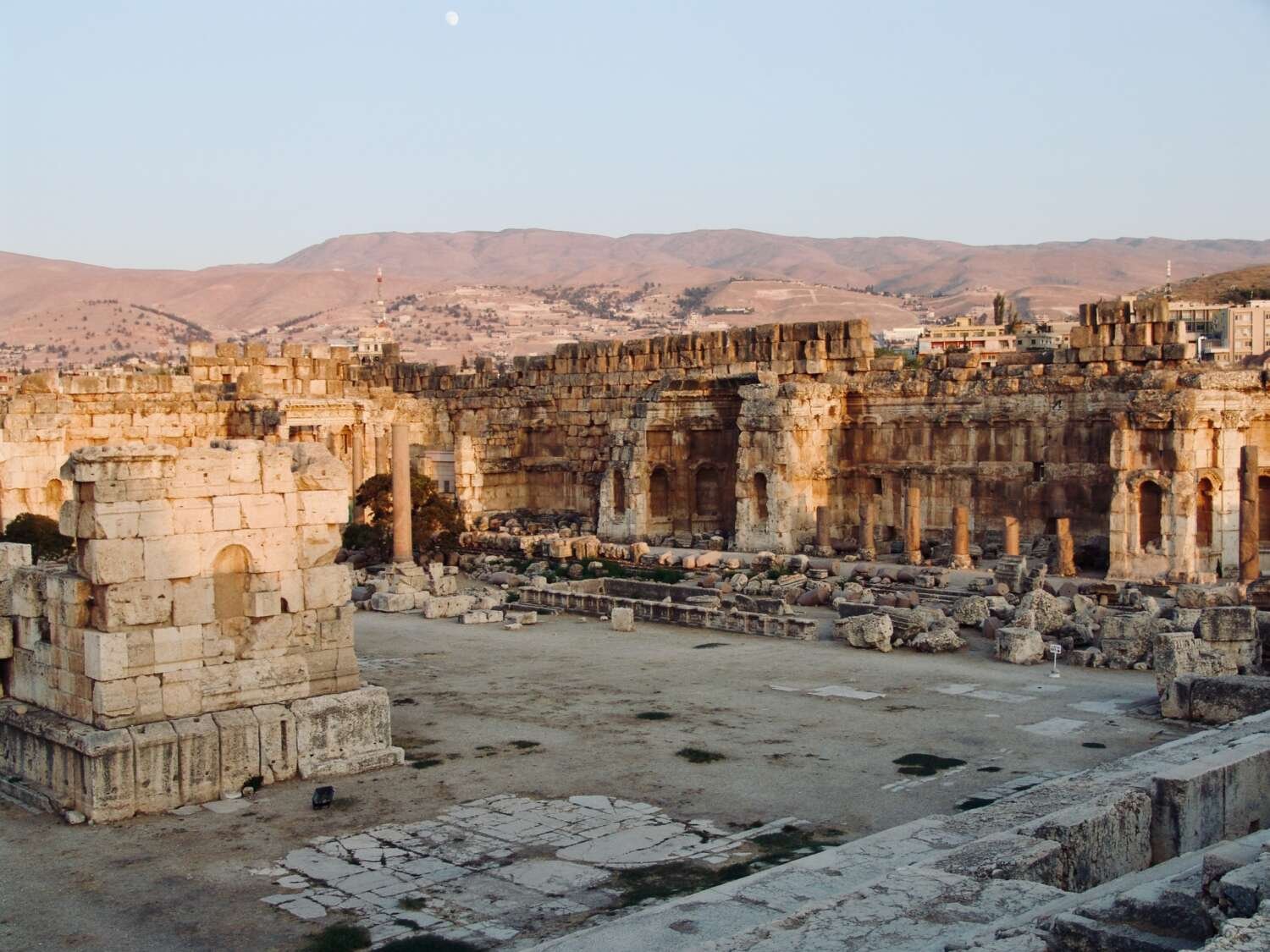
The enigma of Baalbek in Lebanon stands as a monument not just to ancient grandeur, but to the persistent artifice of control wielded through narrative and perception. On the surface, Baalbek presents an architectural feat so staggering that it challenges the orthodox explanations fed to the public—a site constructed from colossal stones, some weighing over a thousand tons, precisely carved and positioned with a sophistication that defies modern engineering capabilities. Yet beneath this awe lies a profound lesson in psychological manipulation and social engineering: the crafting and control of history itself.

Superior Technology
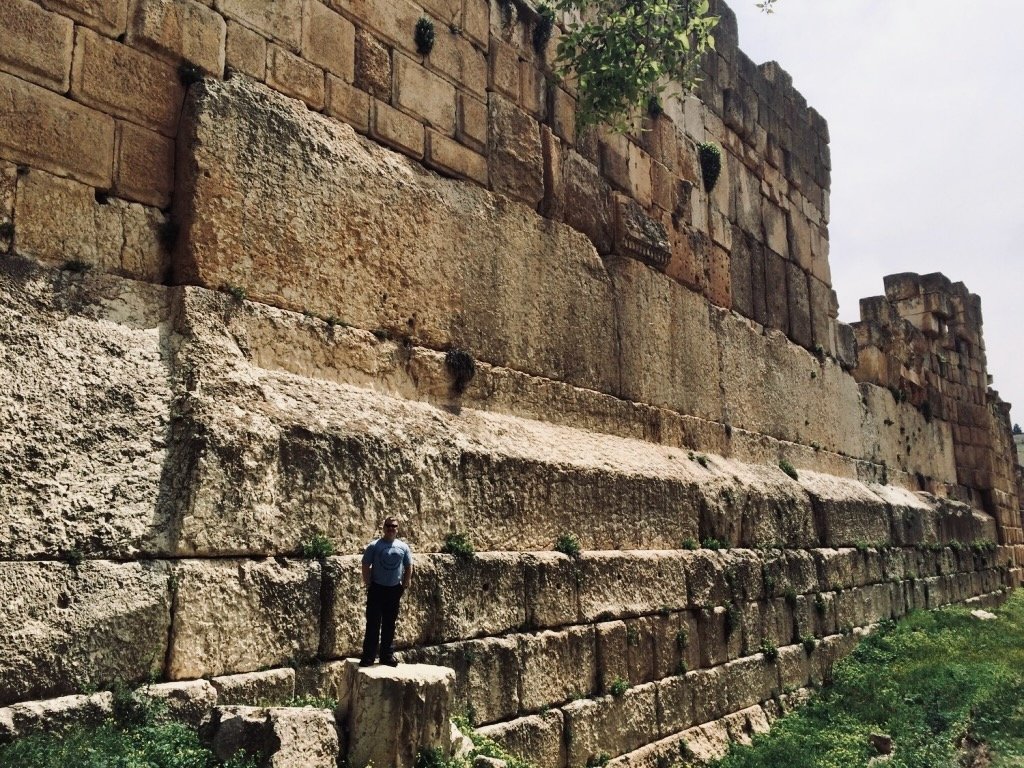
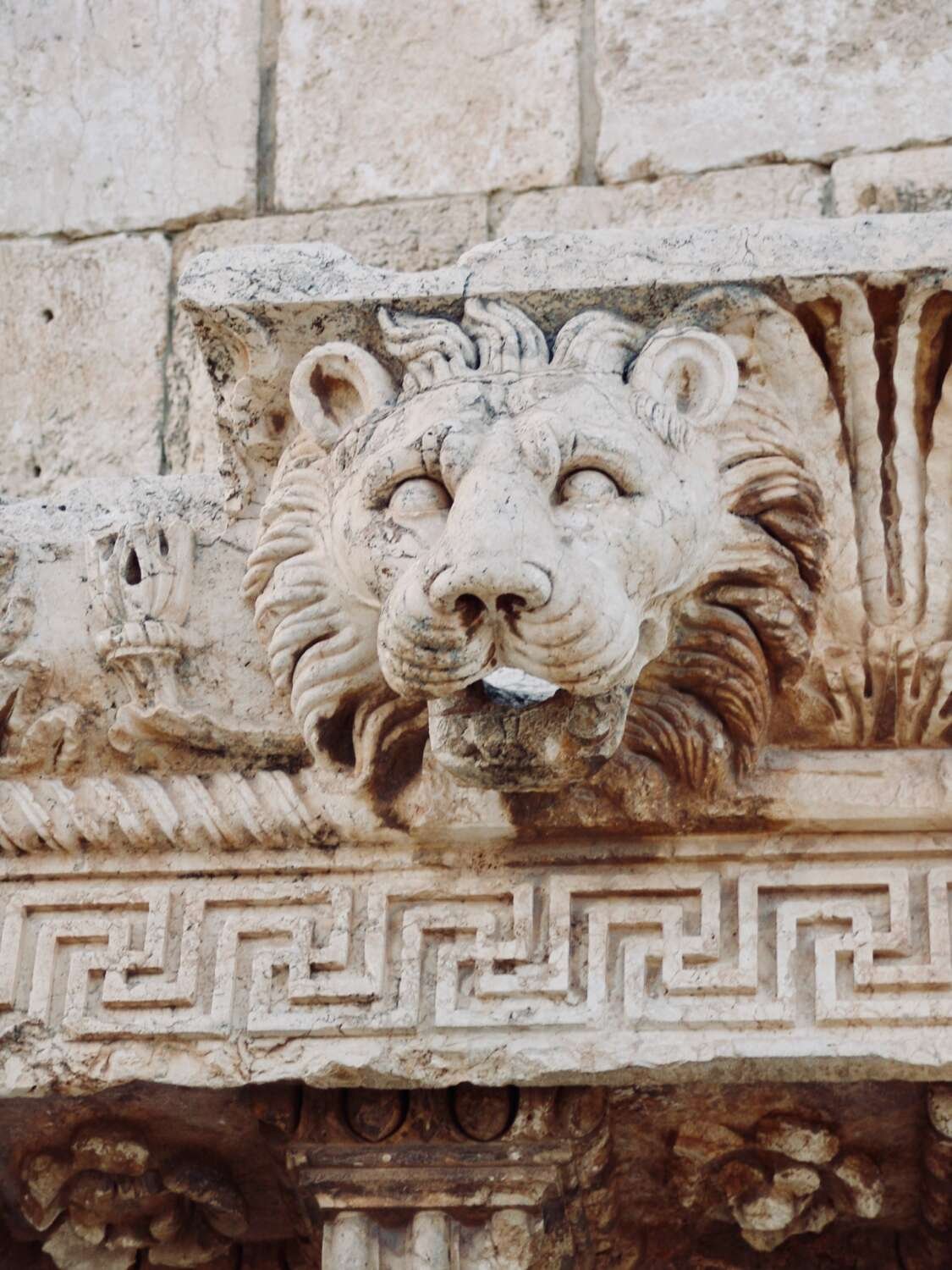
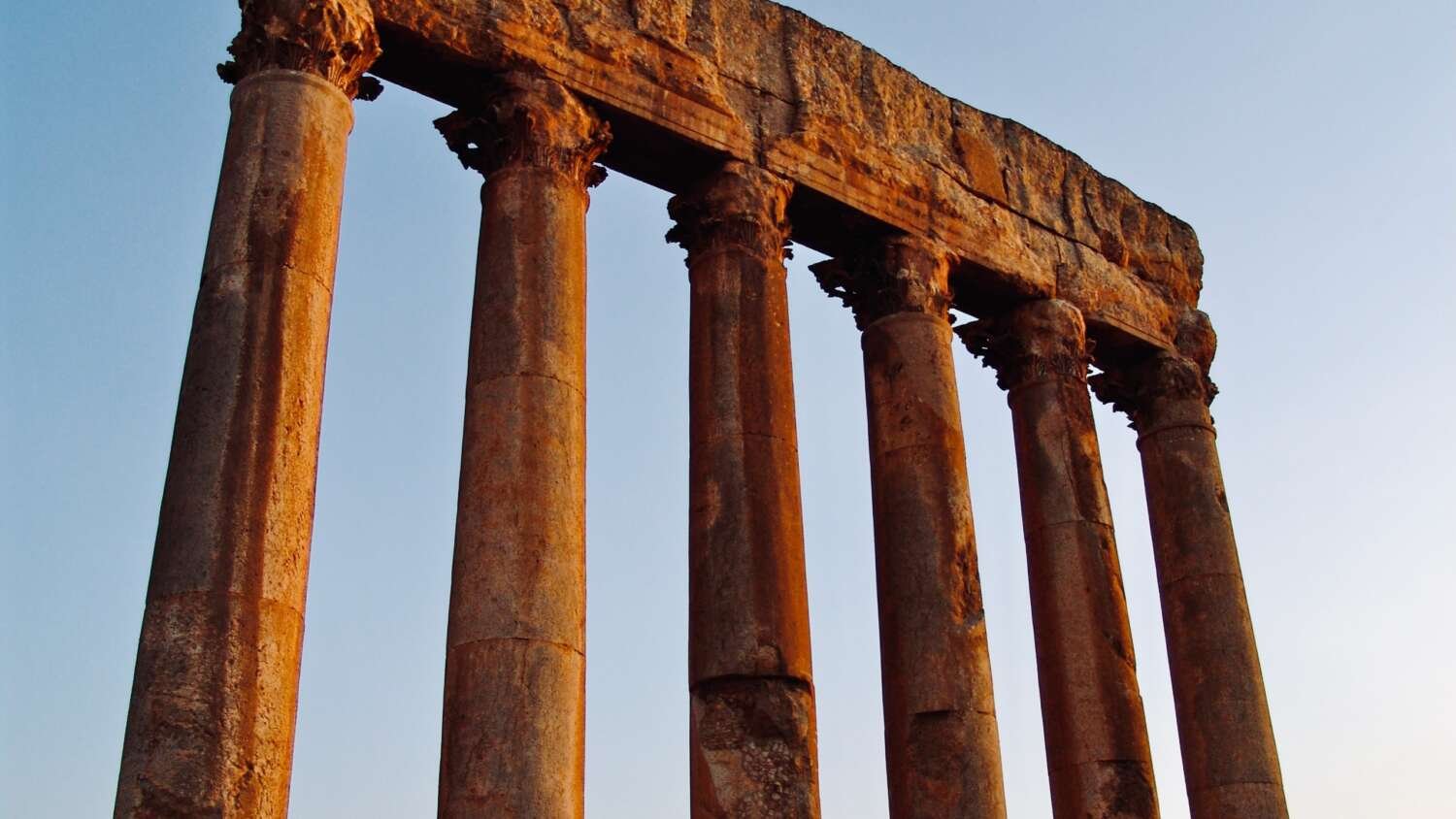
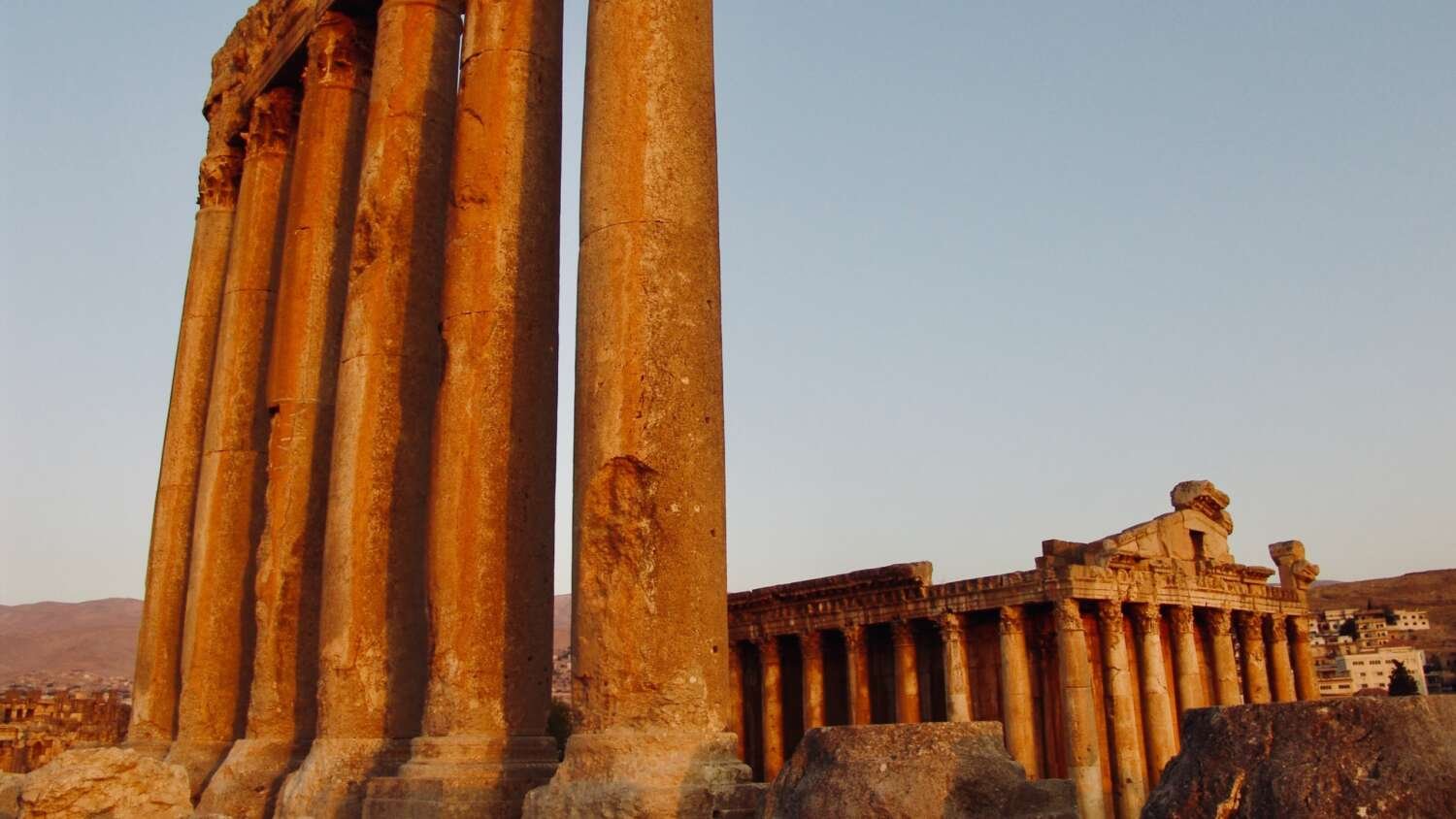
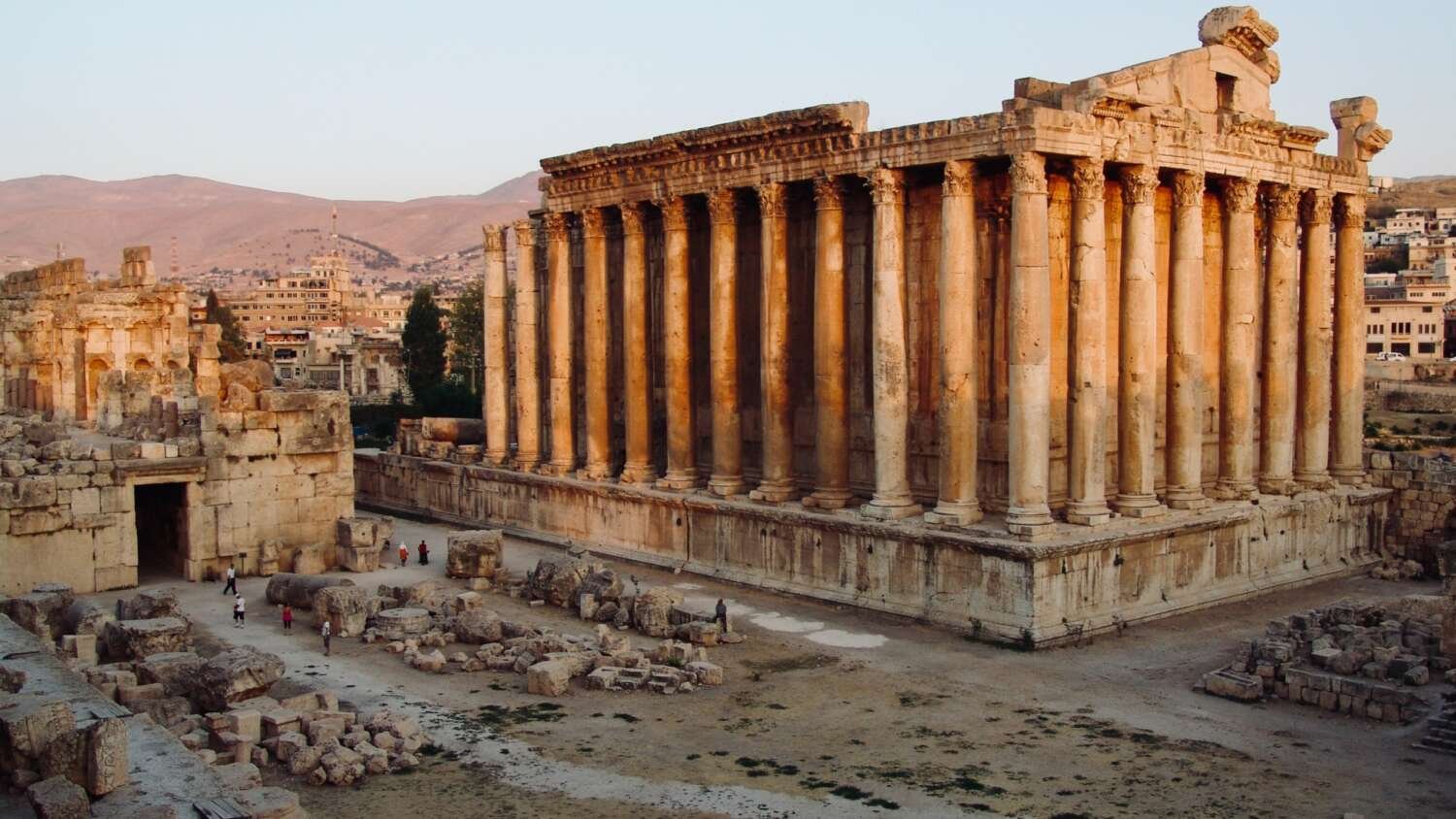
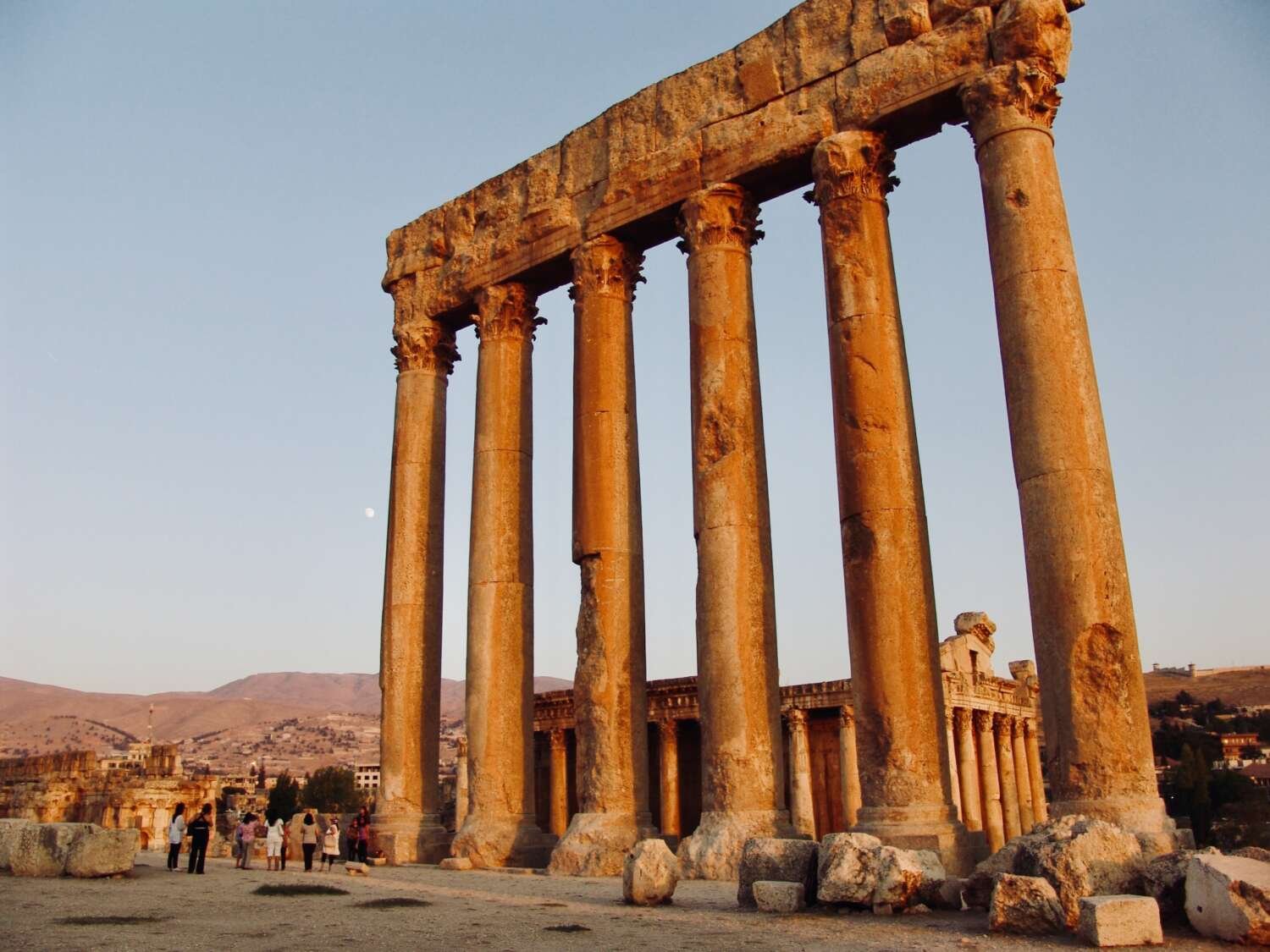
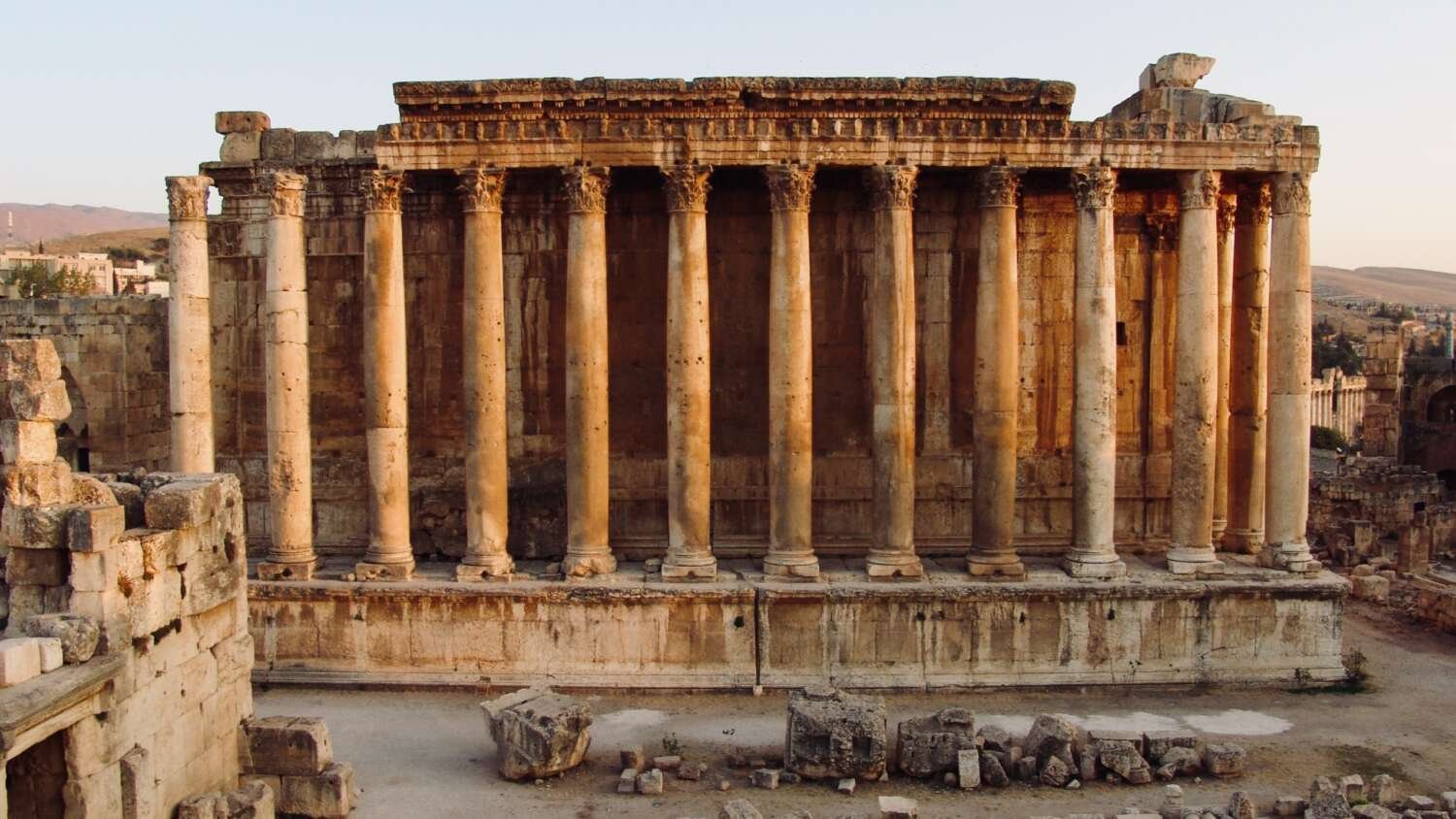
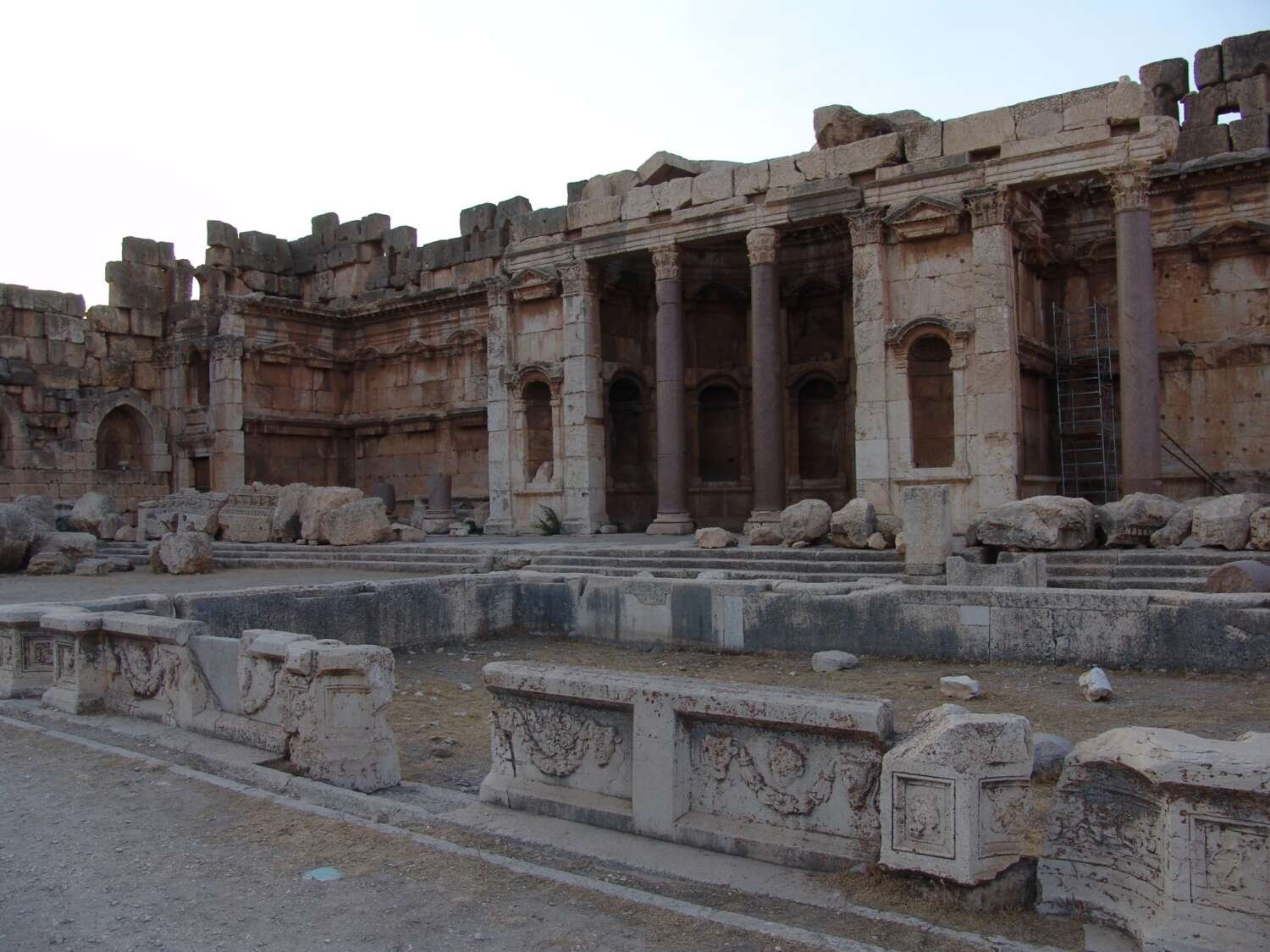
Baalbek‘s legendary Trilithon stones tower in silent testimony to a bygone ingenuity. Conventional academia struggles to explain how such massive blocks were quarried, transported, and assembled with flawless accuracy by supposedly primitive ancient civilisations. This cognitive dissonance is maintained deliberately to preserve a particular worldview—one where technological progress is linear and exclusively modern. The accepted story, carefully curated, dissuades inquiry into the possibility that our ancestors harnessed superior technology, long lost or hidden from the mainstream.
The site’s very existence challenges the narrative machinery designed to maintain social order by limiting the collective imagination. By promoting incomplete or implausible explanations, the system ensures that Baalbek remains a curiosity rather than a catalyst for deeper questioning. The legends woven around gods and giants serve a dual purpose: they mystify the builders’ true capabilities while placating public curiosity with myth rather than fact. This myth-making is a classic example of propaganda—redirecting critical thought into the realm of fantasy to avoid inconvenient truths.
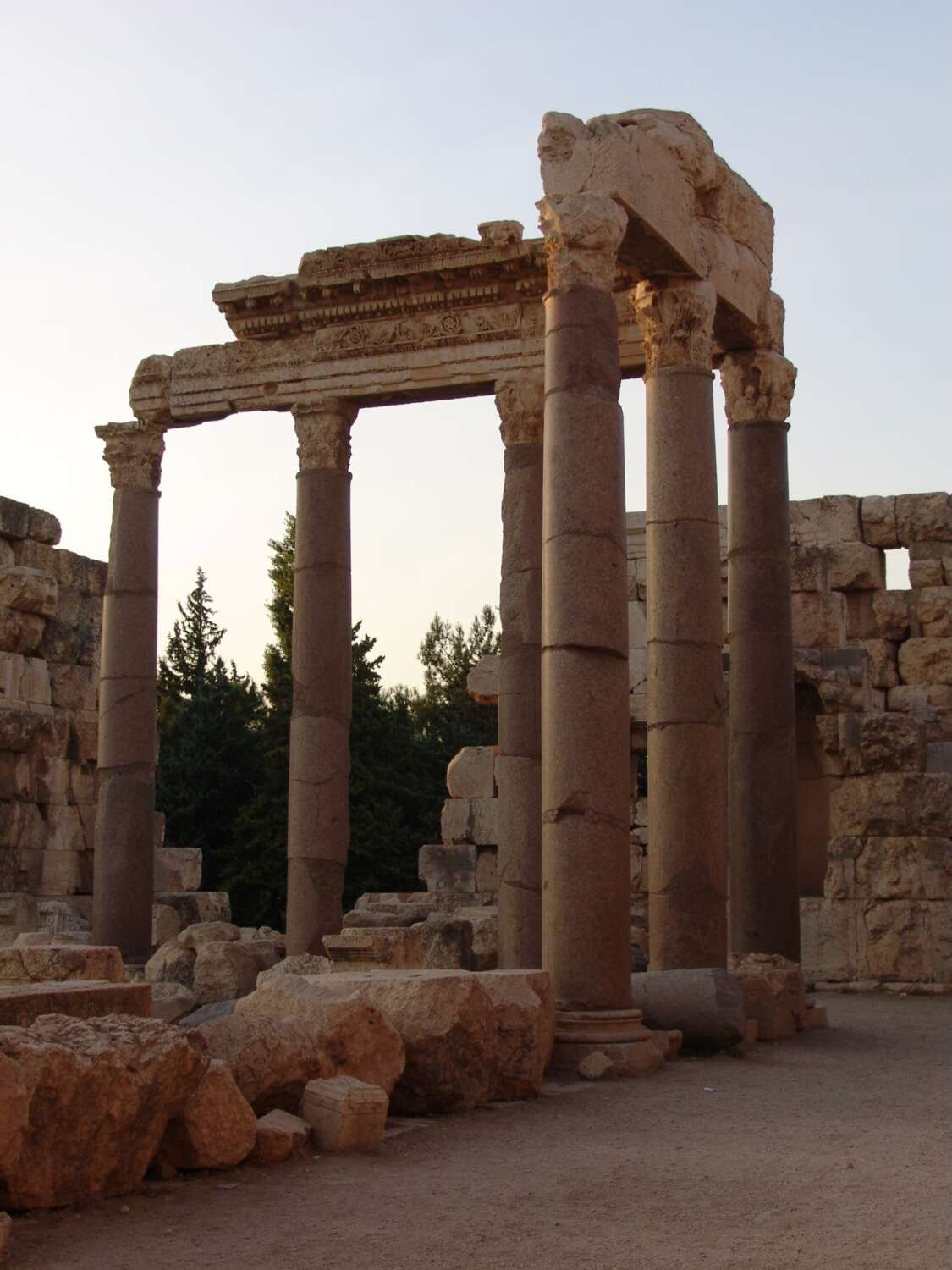
Superior Inteligence
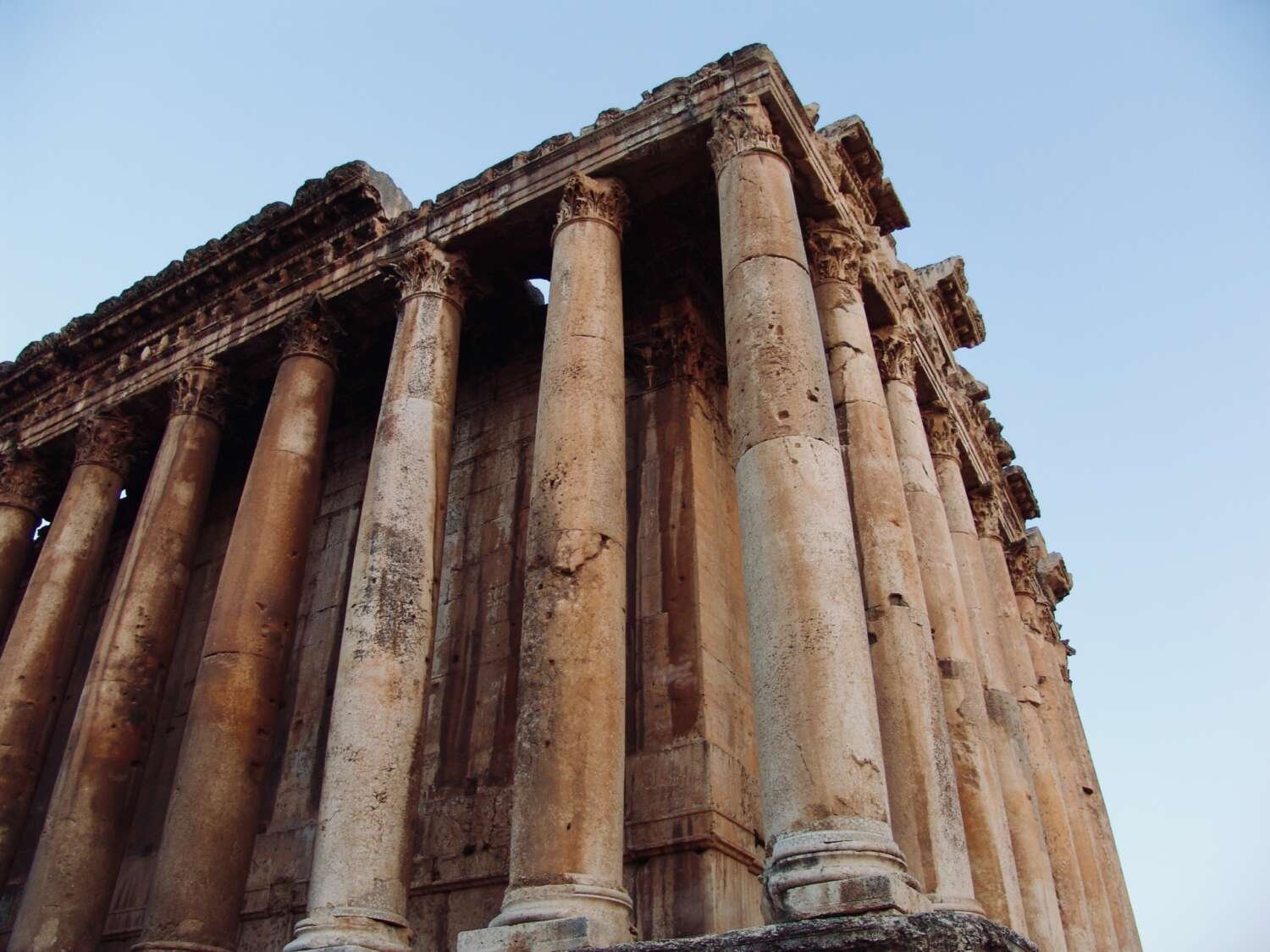
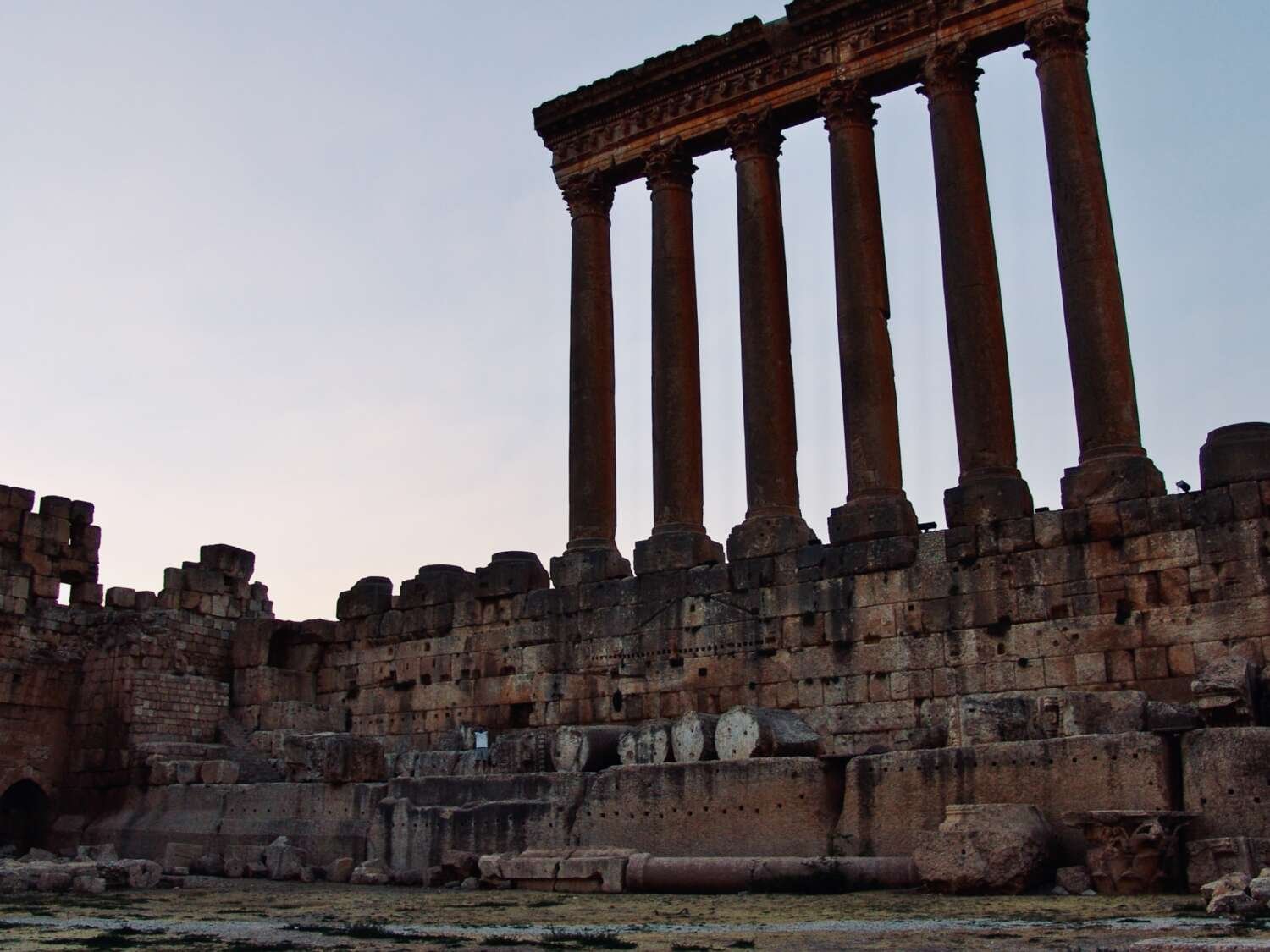
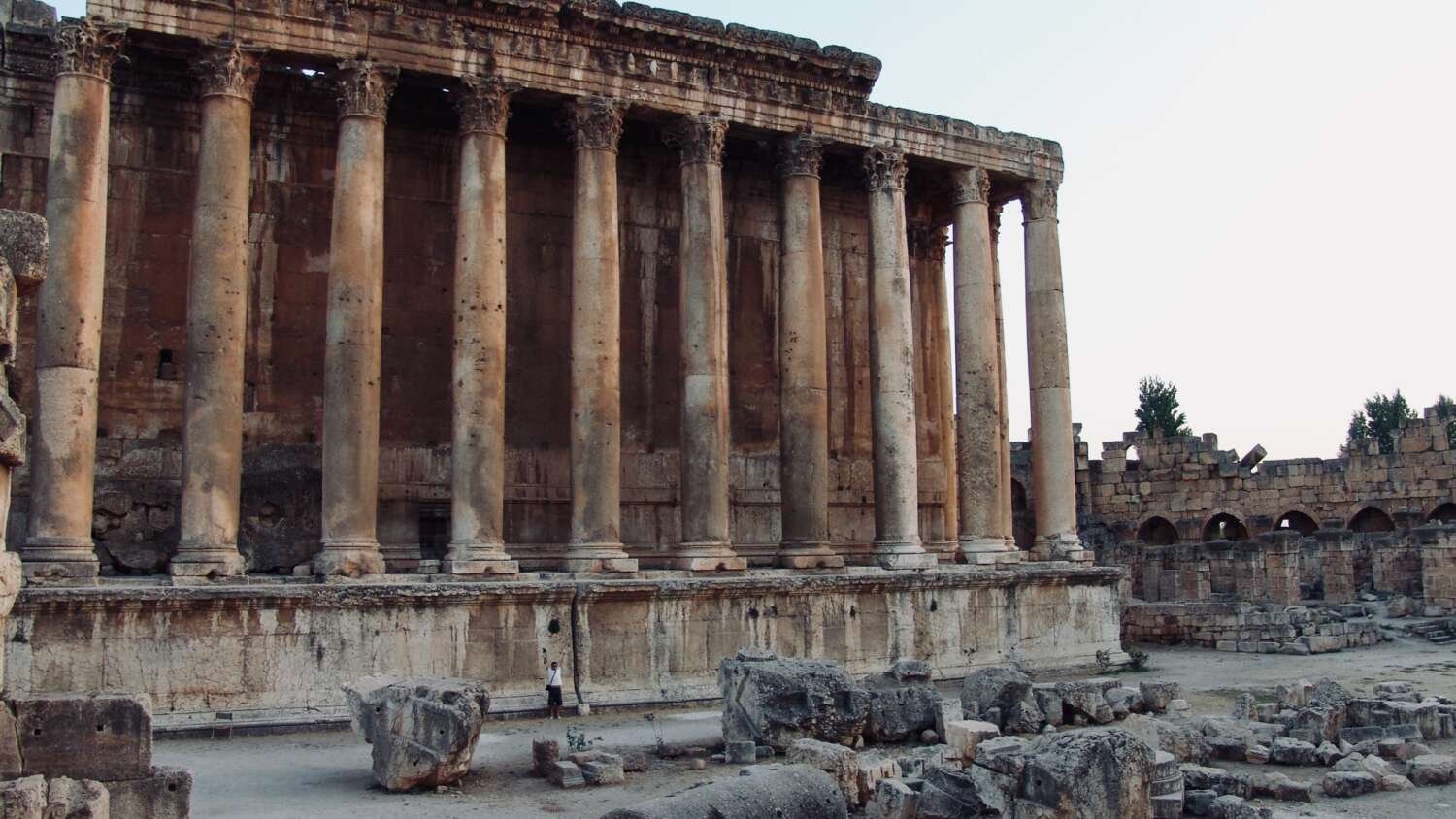
What if the architects and builders of Baalbek were custodians of knowledge far surpassing our own? What if their remarkable engineering feats were facilitated by now-forgotten technologies, potentially suppressed or obscured by those in power? Such ideas unsettle the carefully constructed image of continuous human progress from primitive to advanced, threatening the legitimacy of current power structures built on controlled restatements of history.
The hidden hand in world affairs relies heavily on this illusion. Control over historical narrative shapes not only our understanding of the past but our expectations for the future. Sites like Baalbek become litmus tests for intellectual freedom—will the public accept surface-level narratives or challenge them to peer behind the veil?
In this light, the mystery of Baalbek transcends archaeology and engineering. It becomes a potent symbol of the battle for truth in a world where information is weaponised and history is written by the victors. The colossal stones, immovable in their sheer mass, reflect the immovable power of the story machine—until enough voices demand the truth, the real origins and technologies behind Baalbek will remain shrouded in silence and shadow, faithfully serving the architecture of control.


The Esoteric Heart of Ancient Power
The Occult Symbolism of Baal, Giants, and Lost Technologies
Baalbek is far more than an architectural marvel; it is steeped in profoundly layered occult and esoteric symbolism tied closely to the ancient deity Baal and its associated mythologies. The city, originally known as Heliopolis under Greek influence, was a major sacred centre dedicated primarily to Baal—the Phoenician sky god, often conflated with the sun—and other fertility and life-giving deities. This association with Baal is not merely a historical footnote but a key to understanding the deep symbolic language that Baalbek embodies.
The name “Baal” itself means “Lord” or “God,” a title used widely among Canaanite and Phoenician peoples for powerful divine figures, particularly the sun god. Baalbek‘s megalithic temple complex is thought to sit on a tell (an ancient occupational mound), symbolising layers of sacred time and spiritual power, demonstrating a continuous place of worship and supernatural significance. This layering suggests Baalbek was an axis mundi—a connection between heaven and earth—in the ancient esoteric worldview.
Esoterically, Baalbek represents a convergence of divine forces: Baal as the celestial controller of weather, fertility, and life cycles, merged later with Roman Jupiter to form Jupiter-Baal, symbolising a syncretism of divine authority that extends from natural forces to imperial power. The immense stones and the site’s precise alignment indicate sacred geometry principles, reflecting cosmic harmonics and energy modulation believed accessible only through secret ancient knowledge or superior technology.
Local legends and occult traditions add further dimensions—stories of giants, the Nephilim, or supernatural jinn involved in the quarrying and placement of the massive Trilithon stones suggest that the ancients attributed the site’s creation to otherworldly or semi-divine beings. Folklore about the “Stone of the Pregnant Woman,” believed to boost fertility, reveals Baalbek as a place where mystical and magical forces were thought to tangibly influence human life and nature.
From an occult perspective, Baalbek stands as a symbol of power and control through sacred architecture. The site functioned as a pilgrimage nexus where cosmic and terrestrial authority were ritualistically reinforced, an ancient form of psychological conditioning celebrating and legitimising the ruling classes’ divine right. Its enduring mystery serves modern shadow powers by cultivating awe and deference through engineered legend and selective disclosure of knowledge.
In essence, Baalbek is not just about the physical marvel of colossal stone engineering but about the encoded power it represents: a convergence of ancient divine symbolism, lost superior technologies, and a sophisticated cultic practice key to understanding how controlling sacred narratives shapes human belief, behaviour, and political order.
This fusion of occult knowledge with tangible architectural mastery emphasises why Baalbek remains a pivotal, if shadowy, monument in the esoteric landscape and an enduring testament to humanity’s ancient, hidden wisdom.
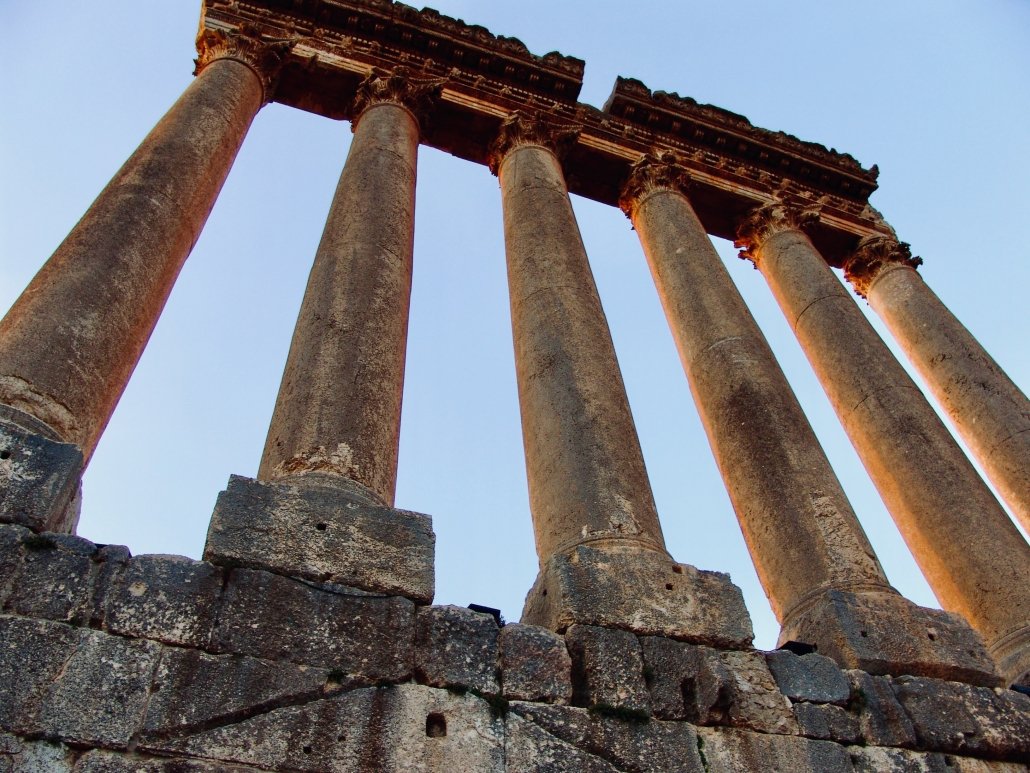
Dark Rituals
Baal Worship: The Hidden Sacrifices and the Shadow Legacy
Myths and historical records reveal that Baal worship included animal sacrifices, primarily bulls and lambs, as central rituals to secure fertility, agricultural bounty, and favour from the god. Evidence from ancient texts and archaeology shows that in extreme circumstances, human sacrifices—sometimes children—were offered to Baal or related deities, especially during times of crisis or dire need for divine intervention. These acts were meant to appease Baal‘s wrath and ensure fertility cycles and royal legitimacy.
The practice of child sacrifice, often linked to the worship of Baal and the related god Moloch, horrifies modern sensibilities and is believed to have been carried out covertly even in antiquity due to its heinous nature. Given the secretive and taboo nature of these rites, it is plausible that such abhorrent practices, if they persisted, would be hidden from public view and contemporary scrutiny. Such rituals may well continue clandestinely, shielded from the public eye and moral scrutiny, especially if carried out by shadowy occult networks who see themselves as inheritors of ancient esoteric traditions.
This secrecy aligns with broader patterns of hidden power structures maintaining social control by keeping unacceptable truths buried while publicly vehemently condemning them. The underlying psychological warfare relies on this double layer of condemnation and concealment—the public denounces the atrocity, while the secret custodians maintain it as a form of dark religio-political power.
Source: The MEGALITHIC Mystery of Baalbek











Leave a Comment
Want to join the discussion?Feel free to contribute!