
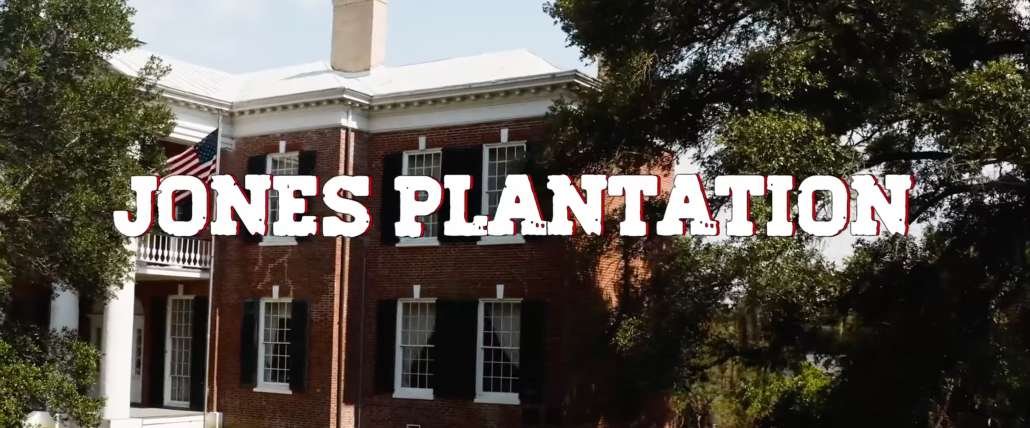
Jones Plantation | Drew Media
We’re Living on the Jones Plantation – July 2025 | Jerm Warfare
Jerm discusses “Jones Plantation” and “Barnum World” with director Andrew Treglia
Shadow Control
Jones Plantation – 2023 | Drew Media
Jones Plantation reveals how true control hides behind illusions of freedom, manipulating minds to maintain obedience—a chilling allegory of modern psychological enslavement and social engineering.
“Jones Plantation” is a bold and powerful critique of American society through the allegory of a cotton plantation where the enslaved people grow restless and rebellious. Directed by Andrew Treglia, the film portrays how brute force fails to keep control, pushing the plantation owner, Mr. Jones, and his allies to craft even more insidious chains of control—not just physical but psychological. The film’s central thesis is that true ownership of a person begins not with violence, but when the oppressed are convinced that obedience is a virtue and that the ruler’s word is absolute law. This chilling dynamic mirrors contemporary society, where the illusion of freedom masks the deeper control mechanisms that keep populations subdued.
“Jones Plantation” forces us to reckon with the uncomfortable truth that many of the chains that bind us today are invisible—rooted in social conditioning, propaganda, and psychological manipulation. The restless slaves on the plantation represent the wider population caught in a system designed to maintain their subjugation by turning their hopes for liberation into an elaborate fiction spun by the powerful. Those who question or resist are silenced, while the majority, complicit or unaware, cheer their own continued enslavement.
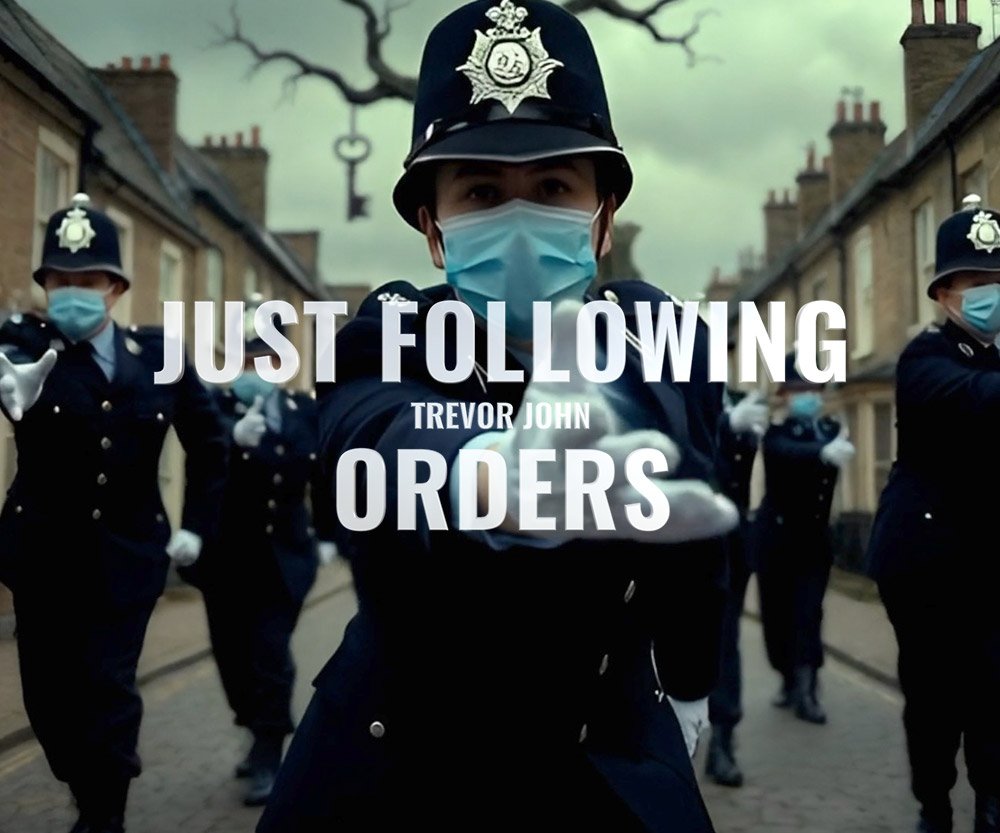

This story is a masterful metaphor for the modern American—and indeed worldwide—condition under psychological warfare, propaganda, and social engineering. It illuminates how power structures maintain control not just through overt oppression but through a “story machine” that carefully constructs narratives to keep people obedient and divided. The real fear of the parasitic psychopaths who hold this power is not brute resistance but the awakening of collective memory—remembering that they are controlled and realising that obedience is not virtue but submission to tyranny.
The film serves as a crucial conversation starter for those who see through the political puppetry and hidden hands steering world events from the shadows. It warns that as long as the story machine holds sway, the illusion system will continue to dominate. But it also implicitly challenges viewers to break free from the mental plantations by reclaiming their awareness, questioning the narratives handed down, and refusing to be complicit in their own oppression.
In the context of psychological influence, “Jones Plantation” reveals how social engineering operates by cultivating dependency, fear, and false hope. It exposes the manufactured consent that keeps the least powerful blaming themselves, while the parasites tighten their grip behind scenes of apparent democratic process and freedom. For readers attuned to the hidden agendas shaping international events, the film is a stark reminder that ultimate control is most dangerous when it is invisible and when the oppressed are persuaded to see it as normal, even righteous.
“Jones Plantation” stands as a compelling allegory of modern societal control, an artistic warning that the story machine‘s primary objective is to keep us obedient and divided by maintaining the illusion of freedom. The greatest threat to this parasitic system is collective remembrance and awakened defiance—a message that resonates deeply in the struggle against today’s covert psychological oppression. This film deserves attention not only as a work of dissident art but as a psychological wake-up call for those who seek true liberation beyond the plantation walls of manufactured consent.
This film is a seminal work for anyone interested in the intersection of psychological warfare, propaganda, and social engineering in the 21st century. It powerfully captures how the mechanisms of control have evolved from force to persuasive narrative and the paramount importance of seeing through these illusions to reclaim autonomy and justice.
Source: Jones Plantation Film – YouTube














Leave a Comment
Want to join the discussion?Feel free to contribute!