
Net Zero: Your Daily Carbon Allowance – Richard Vobes | Quick Guide
Rationing is Back!
Here’s your daily carbon allowance! What!!! – 14 Nov 2024 | Richard Vobes
The implementation of Daily Carbon Allowance labels is indicative of a larger trend towards monitoring and regulating consumer behaviour under the guise of sustainability.
The introduction of Daily Carbon Allowance (DCA) labels on food products raises significant concerns about government coercion, social engineering, and psychological manipulation in consumer behaviour. These labels inform consumers about the carbon footprint of their food choices, linking them to broader environmental goals outlined in the UN’s Agenda 2030 and its Sustainable Development Goals (SDGs).
The_Void explores the implications of these labels within the context of digital identity systems and social credit frameworks.

The Concept of Daily Carbon Allowance Labels
DCA labels are designed to provide consumers with an understanding of the carbon emissions associated with food products. They typically use a colour-coded system ranging from A (very low emissions) to E (very high emissions), allowing consumers to make choices based on their personal carbon budgets. This system is rooted in recommendations from organisations like the EAT-Lancet Commission, which advocates for dietary changes by establishing a maximum daily carbon allowance for individuals.
Mechanism of DCA Labels
Carbon Footprint Calculation: The carbon footprint is calculated based on emissions from production, transportation, and disposal stages. This includes Scope 1, 2, and 3 emissions, providing a comprehensive view of a product’s environmental impact.
Daily Carbon Budget: Each product’s emissions are expressed as a percentage of an individual’s daily carbon allowance, helping consumers gauge their overall carbon consumption relative to recommended limits.
Links to Agenda 2030 and Sustainable Development Goals
The implementation of DCA labels aligns with the UN’s Agenda 2030, which emphasises sustainable practices across various sectors, including food systems. The SDGs focus on consumption and production patterns, aiming for significant reductions in emissions around the world. By promoting awareness through DCA labels, governments and organisations encourage behavioural changes that support this agenda.
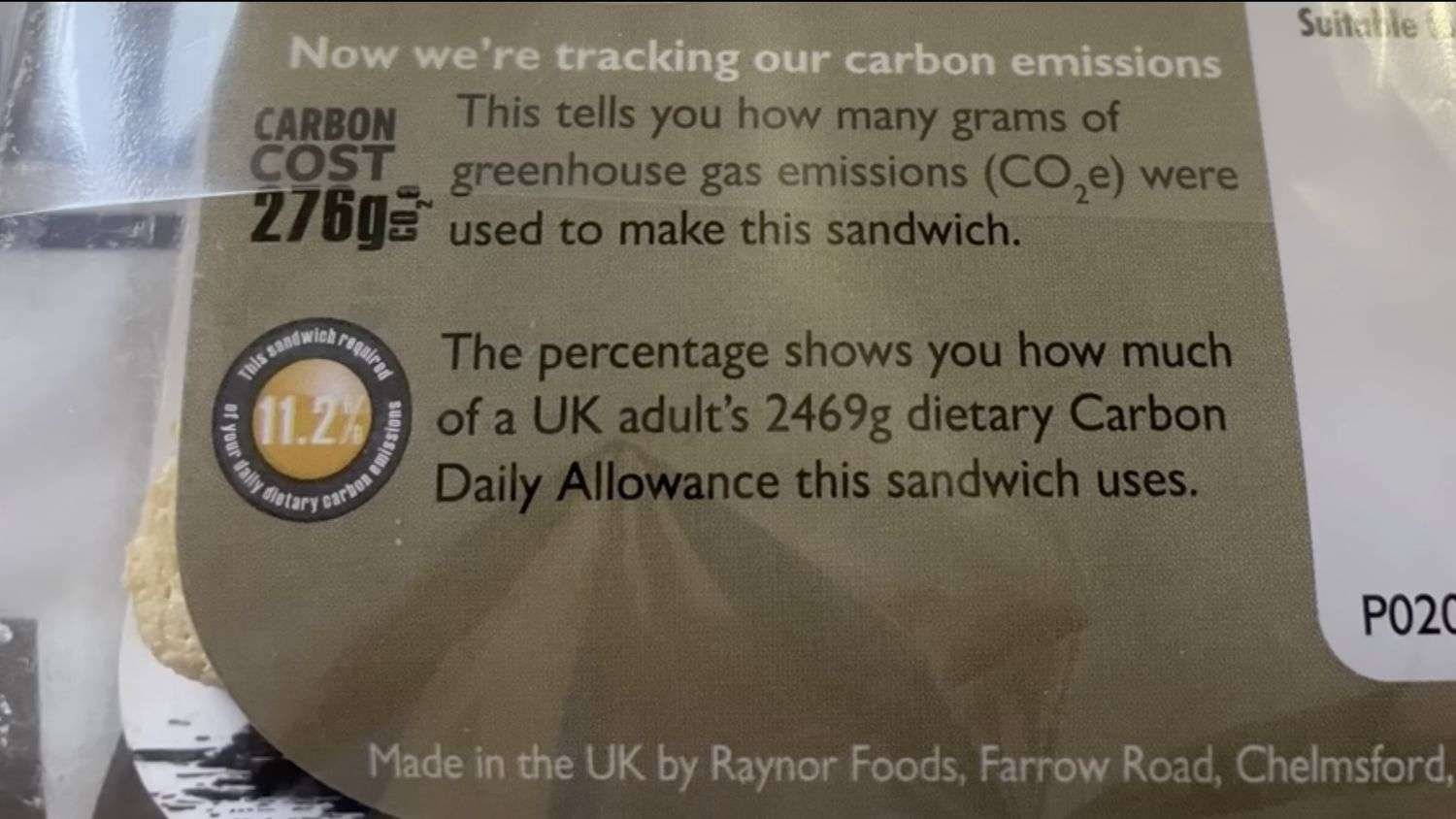
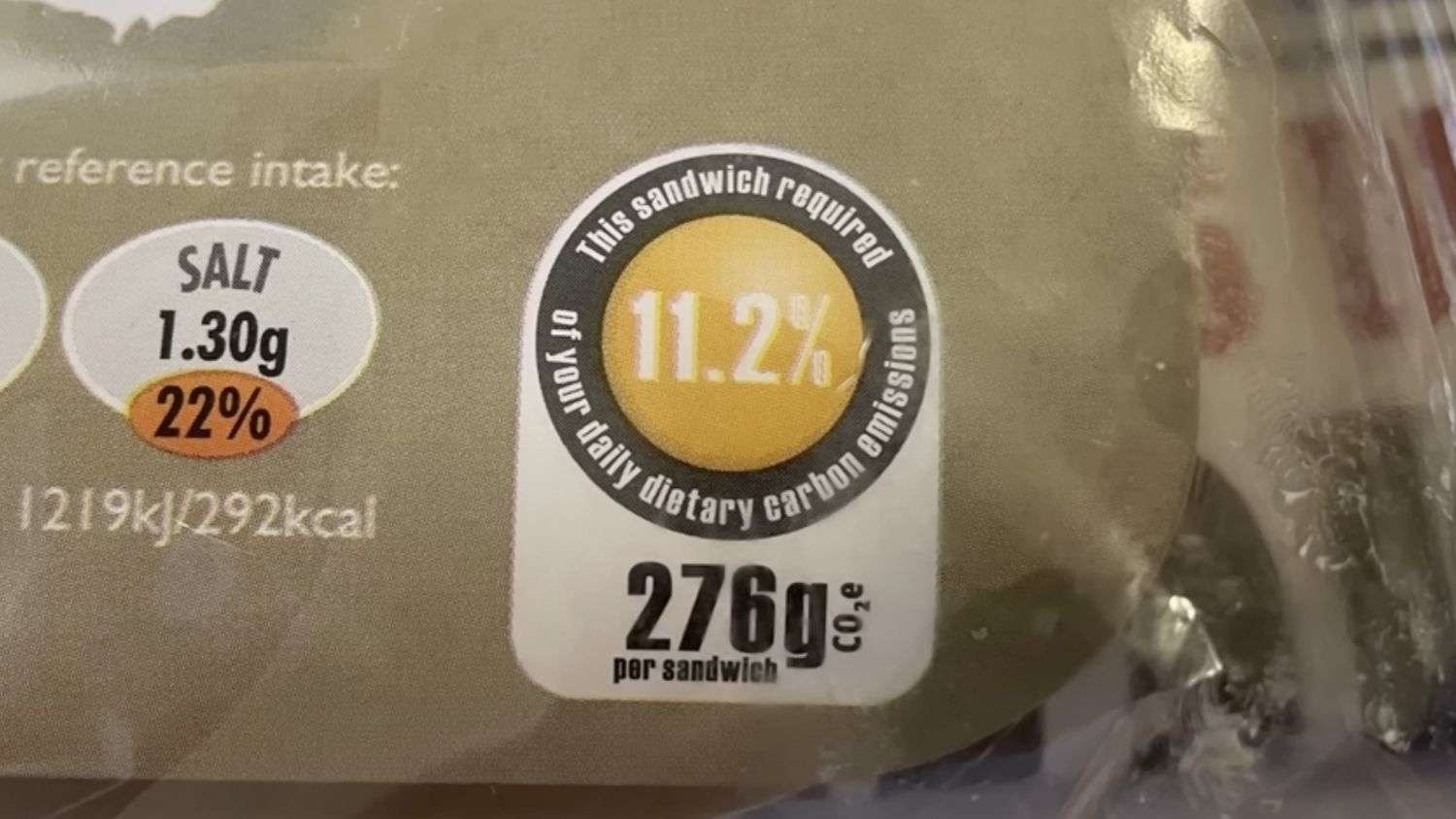
Government Coercion and Social Engineering
The push for carbon labelling is government coercion aimed at altering consumer behaviour. By making carbon footprints visible on food packaging, authorities guide public choices towards more “sustainable options”. This raises questions about the extent to which consumers are being nudged into compliance with government-sanctioned dietary guidelines.
Surveillance and Digital Identity
The integration of Daily Carbon Allowance also raises significant concerns regarding surveillance, digital identity, and social credit systems. These developments lead to a form of food rationing based on compliance with government-defined carbon limits, marginalising those who do not conform.
The rise of DCA labels is closely linked to the implementation of digital identity systems that track individual behaviours and consumption patterns. As governments and corporations increasingly seek to monitor carbon footprints, surveillance becomes more pronounced. Digital identities are used to link consumers’ purchasing habits to their personal carbon allowances, creating a comprehensive profile of their environmental impact.
Social Credit Systems
In this context, social credit systems emerge, where individuals are rewarded or penalised based on their adherence to sustainable practices. Those who consistently choose lower-carbon options receive benefits such as discounts or access to exclusive products, while noncompliant individuals will face restrictions or exclusion from certain markets. This system creates a societal pressure to conform to government-sanctioned norms regarding consumption.
Food Rationing and Conformity
As carbon labelling becomes more widespread, food rationing based on carbon emissions is a growing concern. If individuals exceed their daily carbon allowance through their food choices, they will be restricted in their ability to purchase certain items. This leads to a scenario where access to food is contingent upon compliance with environmental standards set by authorities.
Psychological Manipulation
The use of DCA labels is a form of psychological manipulation. By presenting carbon emissions in a visually engaging manner—such as through colour-coded ratings—governments and corporations influence consumer behaviour without overt coercion. This nudging technique encourages individuals to make choices that align with governmental objectives while encouraging a sense of personal responsibility for the all-important Agenda 2030 narrative.
Conclusion
The implementation of Daily Carbon Allowance labels is indicative of a larger trend towards monitoring and regulating human behaviour under the guise of sustainability. The use of surveillance, social credit systems, and food rationing raises critical ethical concerns so it is essential to consider the implications for individual freedoms and social equity.
Daily Carbon Allowance represents a significant shift towards integrating “sustainability” into consumer behaviour and raises critical questions about government influence over personal choices through mechanisms of coercion and social engineering.
Sources and links
How it works: Food Carbon Labelling – My Emissions
The problem with carbon labelling – and its solution – Food Manufacture
What is Carbon Label? Should I Pay Attention To? – Renouvo
Carbon Labels Are Finally Coming To the Food and Beverage Industry – Forbes
Food Labelling – IntelliDigest
Source: Heres your daily carbon allowance! What!!! – YouTube













Leave a Comment
Want to join the discussion?Feel free to contribute!