
Skripal and Novichok: What Didn’t Happen | UK Column
Salisbury Hoax
Skripal and Novichok: What Didn’t Happen – Dec 2025 | UK Column
A critical analysis of the Dawn Sturgess Inquiry report and Skripal affair presented by Craig Murray, Patrick Henningsen and Tim Norman.
There are still many unanswered questions surrounding the Skripal incident in Salisbury on 12 March 2018, and the subsequent death of Dawn Sturgess.
UK Column present an evening of presentations and questions, to review the events around Sergey and Yulia Skripal.
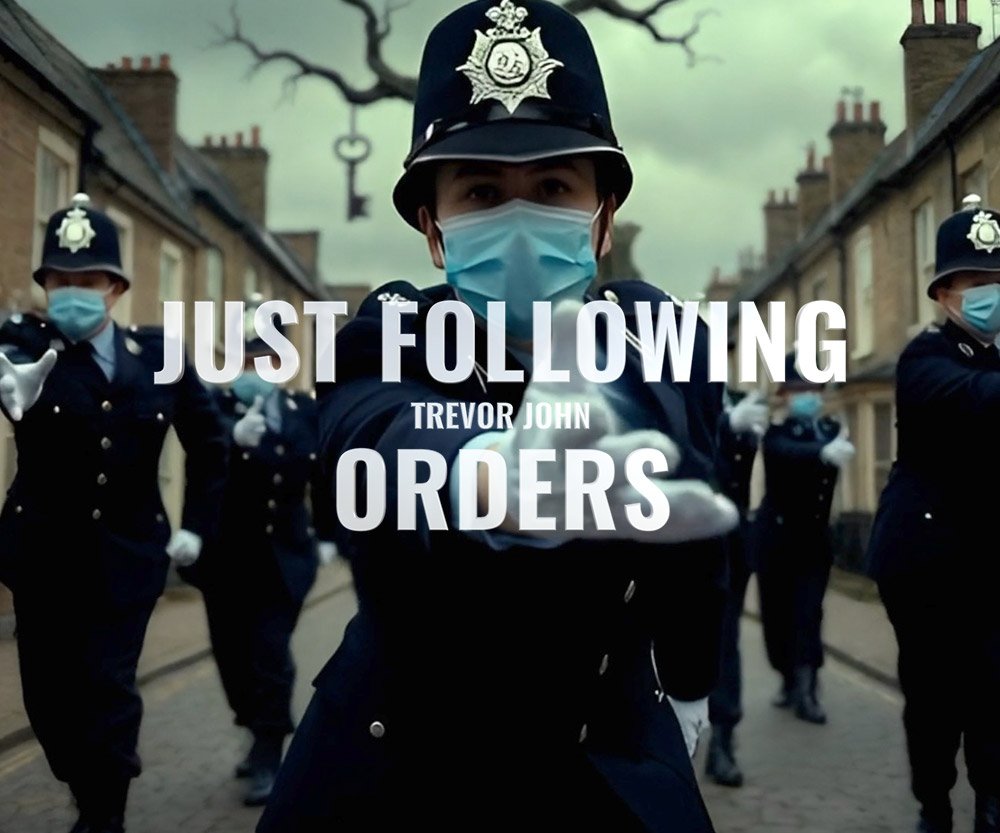
Skripal and Novichok: What Didn’t Happen
The Propaganda Machinery Behind Salisbury’s Phantom Poisoning
The official account of the 2018 Salisbury incident—ex-spy Sergei Skripal and daughter Yulia poisoned by Novichok nerve agent, followed by Dawn Sturgess‘s death from a discarded vial—has propelled diplomatic expulsions, sanctions, and Russophobia. Yet UK Column‘s analysis by Craig Murray, Patrick Henningsen, and Tim Norman raises profound questions: if the story holds, why do key events not align with forensic, timeline, or logical expectations? This examination probes the gaps, urging viewers to interrogate the narrative engineering at play.
Dawn Sturgess Inquiry
Questions the Report Sidesteps
Craig Murray, ex-UK ambassador, critiques the recent Dawn Sturgess Inquiry report for evading core issues. It fails to explain who deposited the Novichok vial in Salisbury, or why it lingered undiscovered for four months. Porton Down identified the substance as Novichok but could not link it to Russia—only stating it matched a known profile. What didn’t happen? Independent verification of the sample’s chain of custody, CCTV footage placing suspects “Ruslan” and “Chekhin” near the Skripals’ home or bench, or residue traces on door handles they allegedly contaminated. The inquiry’s silence on these voids invites scepticism as it prioritise closure over accountability.
Propaganda Timeline
Inconsistencies in the Official Script
Patrick Henningsen dissects the media-amplified timeline. Suspects supposedly flew in, smeared Novichok on a door handle in broad-daylight, poisoned the Skripals, and departed the same day—yet no witnesses, no CCTV corroboration, no contamination beyond a park bench. The bench held “enough agent to kill thousands,” officials claimed, but the Skripals recovered swiftly without specialist antidotes. What didn’t happen? Mass site decontamination, autopsies confirming Novichok in victims (Sturgess’s traces linked only to the vial), or epidemiological fallout. Henningsen questions if this blueprint—recycled by the BBC and The Guardian sans evidence—serves to manufacture consent for geopolitical aims.
Forensic Gaps and Vanished Witnesses
Tim Norman highlights destroyed evidence: the Skripals’ house and car demolished pre-full testing. Yulia Skripal reportedly phoned her cousin post-incident saying “everything’s fine,” then vanished—no public appearances, no family contact. Dawn Sturgess‘s partner survived the same vial; her inquiry fixated on drug use, not vial origins. What didn’t happen? Footage of bottle placement, motives connecting locals to GRU operatives, or transparent Skripal testimonies.
The Skripal-Novychok saga persists amid unresolved riddles, sustaining a narrative through assertion rather than proof. UK Column‘s presentations compel a reckoning: when official stories evade scrutiny, what hidden mechanisms preserve the illusion? View the full event for the raw dissection.
Presentation Panel
Craig Murray is an author, broadcaster and human rights activist. He was British Ambassador to Uzbekistan from August 2002 to October 2004 and Rector of the University of Dundee from 2007 to 2010.
Craig Murray is an author, broadcaster and human rights activist. He was British Ambassador to Uzbekistan from August 2002 to October 2004 and Rector of the University of Dundee from 2007 to 2010.
Patrick Henningsen is a writer and global affairs analyst, co-anchor of UK Column News, and founder of the news and analysis website 21st Century Wire. His work has appeared in a number of international publications and broadcast TV channels, and has done on-the-ground reportage from conflict zones including Syria, Iraq, and Lebanon. He also holds an MA in International Relations from University of Plymouth in the UK.
Tim Norman lives on the south coast of England and began his career in technology journalism in the 1990s writing about the then-emerging internet. He has worked in editorial production roles for local, national and international media and on daily, weekly and monthly publications. A member of the National Union of Journalists, he was Father of the Chapel at The Argus in Brighton when the newspaper went on strike in 2011. He currently works as a production editor for an internationally-distributed magazine.
Source: Skripal and Novichok: What Didn’t Happen | UKColumn









Leave a Comment
Want to join the discussion?Feel free to contribute!