

Nick Kollerstrom – Remember Remember! 5th November | Quick Guide
Memory and Myth
[SF152] Dom & Chris Chat With Nick Kollerstrom – Nov 2023 | Sheep Farm
The mythical Gunpowder Plot has been the subject of historical scrutiny, and various aspects of the story have contributed to the ongoing questions and fascination with this dramatic event in English history.
Nick Kollerstrom joins the Sheep Farm podcast to discuss his book; ‘The Bard and the Gunpowder Plot’. Kollerstrom and the Sheep Farm boys suggest that ‘The Gunpowder Plot‘ was the first real false flag terror event.
The_Void Commentary
Doubting the Narrative
The Original False Flag
We are told that the The Gunpowder Plot of 1605, also known as the Gunpowder Treason Plot, was an attempt by a conspiracy of a dozen Catholic Englishmen to commit mass murder and mass destruction by blowing up the House of Lords in London. The primary target of the conspiracy was the Protestant King James I, along with most of the king’s immediate family, hundreds of parliamentarians and diplomats, and numerous servants and assistants. The plot has been the subject of historical scrutiny, and various aspects of the story, including the existence of priest holes and the involvement of specific individuals and locations, have contributed to the ongoing fascination with this dramatic event in English history.

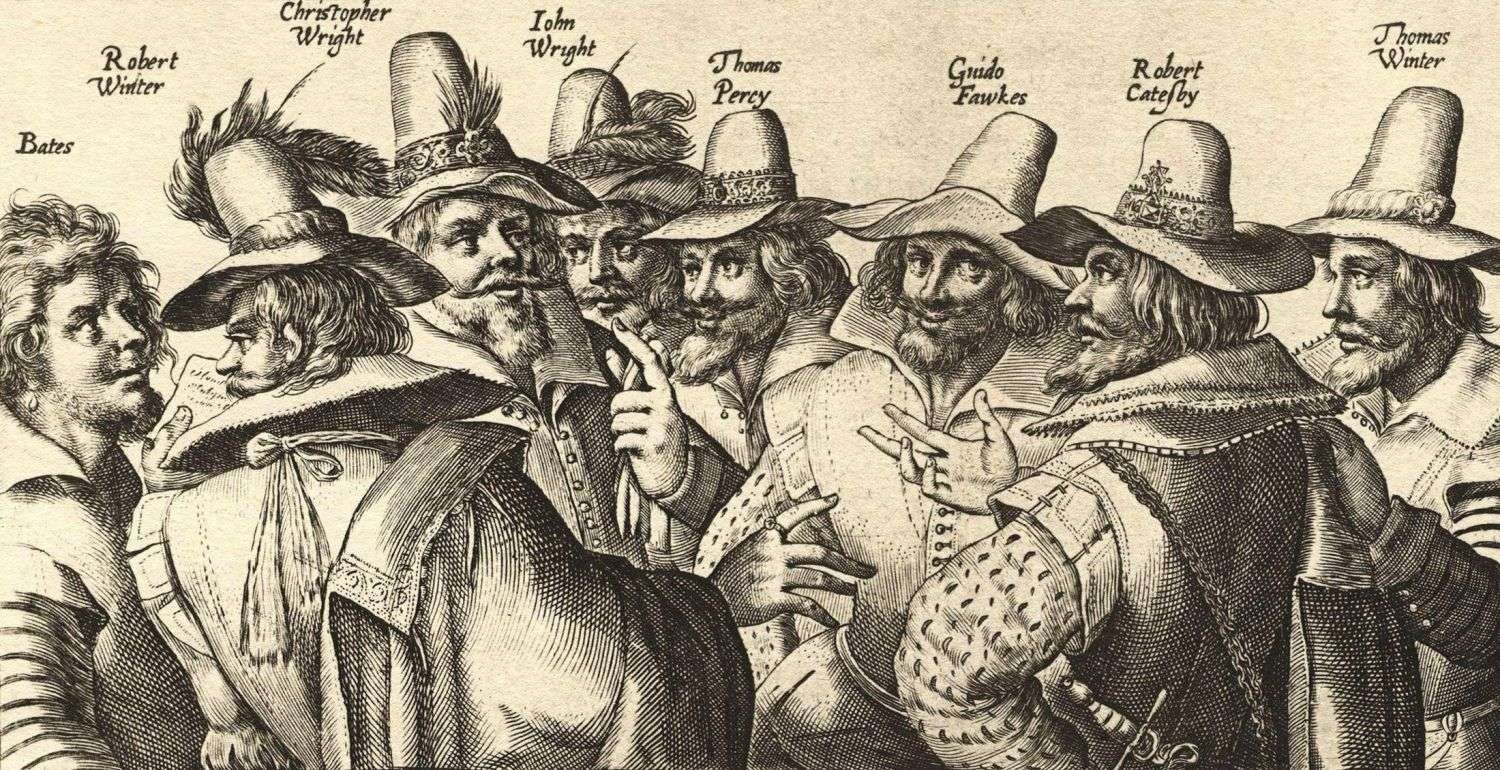
The Plot
The plot involved 13 plotters, including Guy Fawkes, who was charged with lighting the fuse to the gunpowder in the Palace of Westminster. The plotters initially planned to occupy a property next to the House of Lords and to tunnel from one cellar to another, but the mining proved too time-consuming, so they rented a coal cellar underneath the Lords’ chamber, enabling them to bring in the gunpowder without being challenged.
In the 19th century, an age-old controversy was revived over whether the English government, particularly Robert Cecil Lord Salisbury, was secretly involved in the plot. This controversy has led to speculation and theories, with some suggesting that the Gunpowder Plot was a hoax engineered by Robert Cecil in order to provoke a backlash.
“The plotters were actually hoodwinked, we can never know exactly what they thought they were doing but we don’t have real evidence that they wanted to blow up parliament.”
Nick Kollerstrom
The belief that the Gunpowder Plot conspirators were misled or did not actually intend to blow up Parliament is a matter of historical interpretation and while there are theories that question the authenticity of the Gunpowder Plot, the historical consensus is that it was a genuine conspiracy by a group of Catholic Englishmen to assassinate the king and blow up the Houses of Parliament. The plot’s failure initiated a wave of national relief and inspired a mood of loyalty and goodwill in the ensuing parliament. However, the story has been criticised for its unbelievable elements and inconsistencies, there are several reasons to doubt the official account of the plot:
- Lack of clear evidence: Generations of historians have acknowledged that the origins of the plot remain unclear, and it is doubtful that the truth will ever be known. The confessions of the conspirators were obtained through torture, which could have forced them to admit crimes they were not guilty of.
- Government contradictions: The government’s account of events has been criticised for its inconsistencies and contradictions. For example, the initial search of Parliament‘s rooms did not find any evidence of a plot, but a second search revealed gunpowder in the cellar, leading to Fawkes’ arrest.
- Unrealistic timeline: The plotters’ plan to tunnel from one cellar to another and rent a coal cellar underneath the Lords’ chamber seems unrealistic and time-consuming, especially considering the limited time they had to execute the plot before the Opening of Parliament.
- Lack of expertise: Most of the plotters were not familiar with gunpowder, apart from Fawkes, an explosives expert from his military days. It is questionable whether they could have executed the complex plan without more expertise or training.
- Letter of convenience: The anonymous letter received by Lord Monteagle, which warned him not to attend the Opening of Parliament, has been seen as suspicious, as it seems to have come from an insider, possibly one of the conspirators.
Despite these doubts, the story of the Gunpowder Plot has become an iconic symbol of Protestant propaganda, associating Catholics with treason. The celebration of Guy Fawkes Night, or Bonfire Night, has evolved over time and is now a popular event in the UK, complete with fireworks, bonfires, and the burning of effigies representing Fawkes.
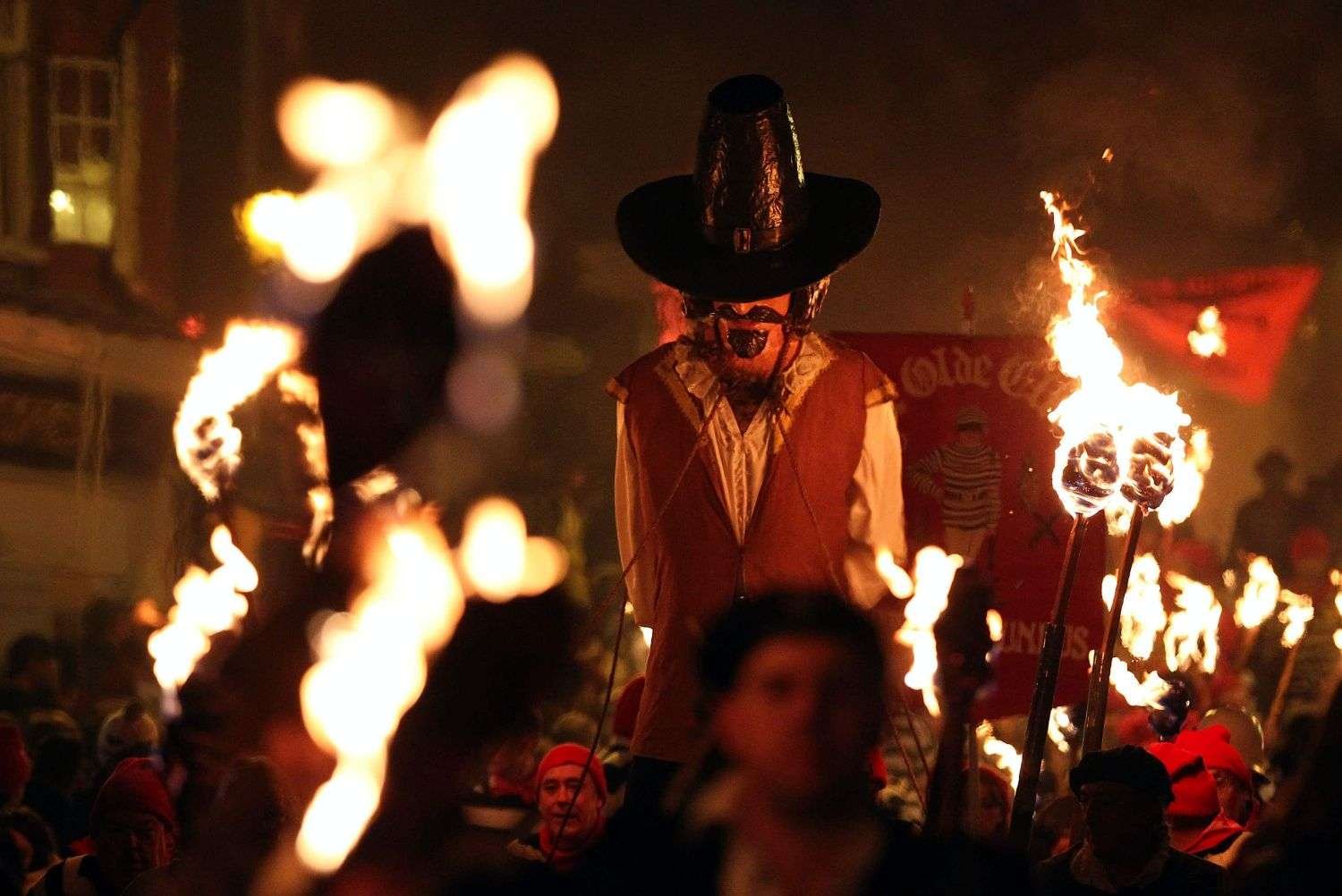
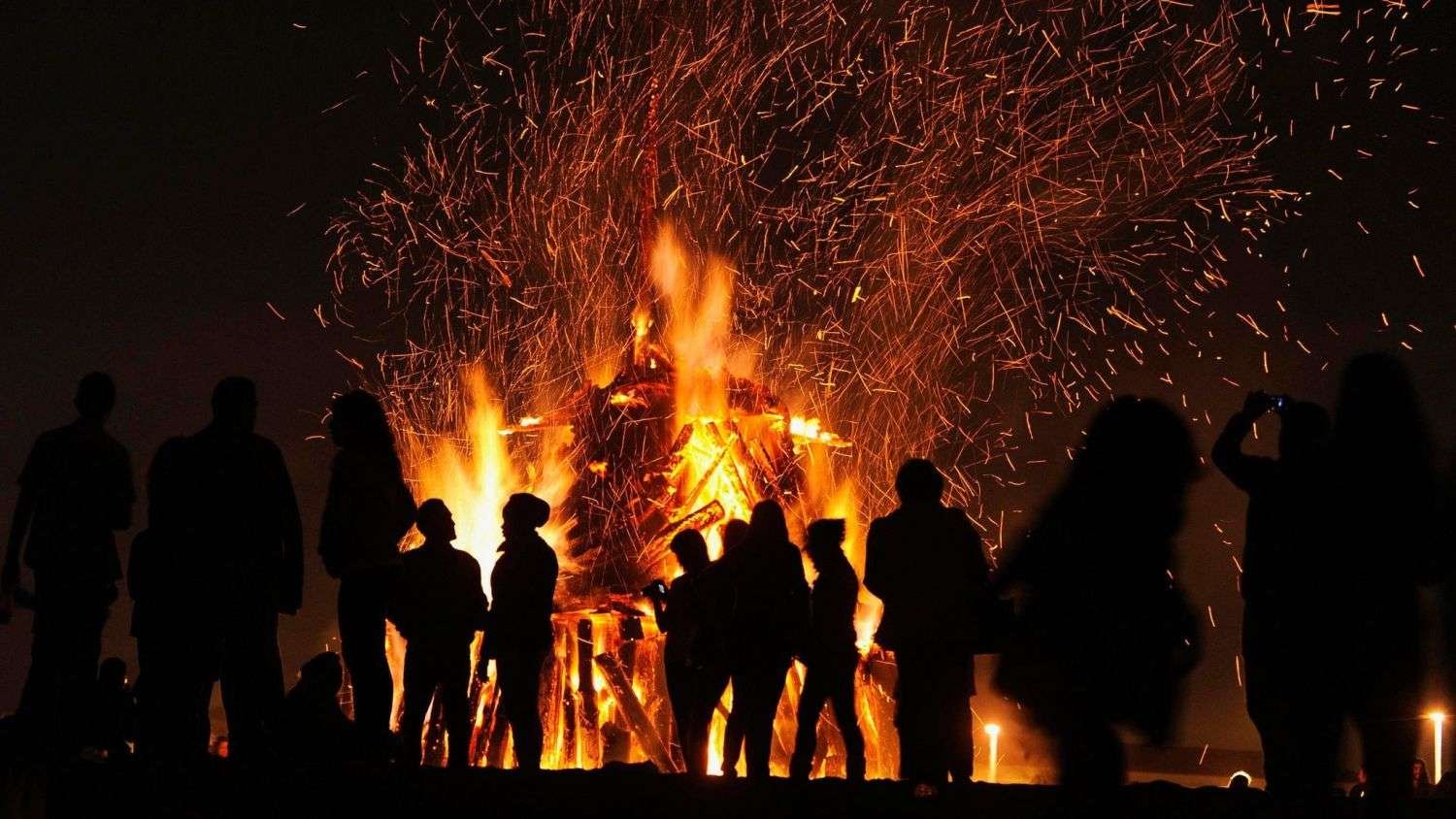
Remember remember! The 5th November.
Perpetuating The Myth
In the UK, the story of the Gunpowder Plot is commemorated annually on the 5th of November. The narrative of the Gunpowder Plot is deeply ingrained in British history and culture. The plot is remembered for its elements of assassination, intrigue, persecution, spying, and mass murder. The story of the Gunpowder Plot has been a common topic for popular historians and has also been of interest to cultural historians and literary critics due to its long-term effects as a memory and a myth. The plot’s discovery and the subsequent events have had a significant impact on the religious policies in James I’s domains, leading to substantial changes in England’s religious future.
The narrative of the Gunpowder Plot is often used to illustrate the importance of parliamentary authority and the monarchy in British history. The plot’s discovery and the subsequent events led to a substantial change in James I’s policy towards Catholics, resulting in the introduction of an Oath of Allegiance that his subjects had to swear.
The commemoration of the Gunpowder Plot in the UK serves as a reminder of the events that unfolded and their impact on the country’s history and religious future. The story is passed down through generations and is an integral part of British cultural heritage, contributing to the understanding of the evolution of parliamentary authority and the monarchy in the UK.
The Evidence
The evidence surrounding the Gunpowder Plot includes historical documents, official accounts, and scholarly analysis. Here is a list of the evidence presented:
- Anonymous Letter to Lord Monteagle: The plot was discovered through an anonymous letter to Lord Monteagle, a Catholic, warning him not to attend the State Opening of Parliament. This letter is a crucial piece of evidence that led to the discovery of the conspiracy.
- Historical Accounts and Scholarly Analysis: The Gunpowder Plot is well-documented in historical accounts and has been the subject of scholarly analysis.
- Official Accounts: The UK Parliament‘s official website describes the Gunpowder Plot as a conspiracy to assassinate the king and blow up Parliament.
- Discovery of Gunpowder: Guy Fawkes was reportedly arrested with fuses and a timer, and 36 barrels of gunpowder were found hidden within the Palace of Westminster, enough to blow up the entire building and everyone in it.
- Impact on Religious Policies: The discovery of the plot and subsequent events had a significant impact on the religious policies and future of England, leading to substantial changes in the country’s religious landscape.
- Interrogation and Confession: Guy Fawkes, a key figure in the plot, was imprisoned and subjected to torture in order to extract a confession, which implicated the other conspirators.
The evidence of the Gunpowder Plot relied significantly on confessions obtained through interrogation and torture, along with the discovery of gunpowder and other materials, all of which played a crucial role in uncovering the conspiracy.
Monteagle Warning
Anonymous letter to Lord Monteagle
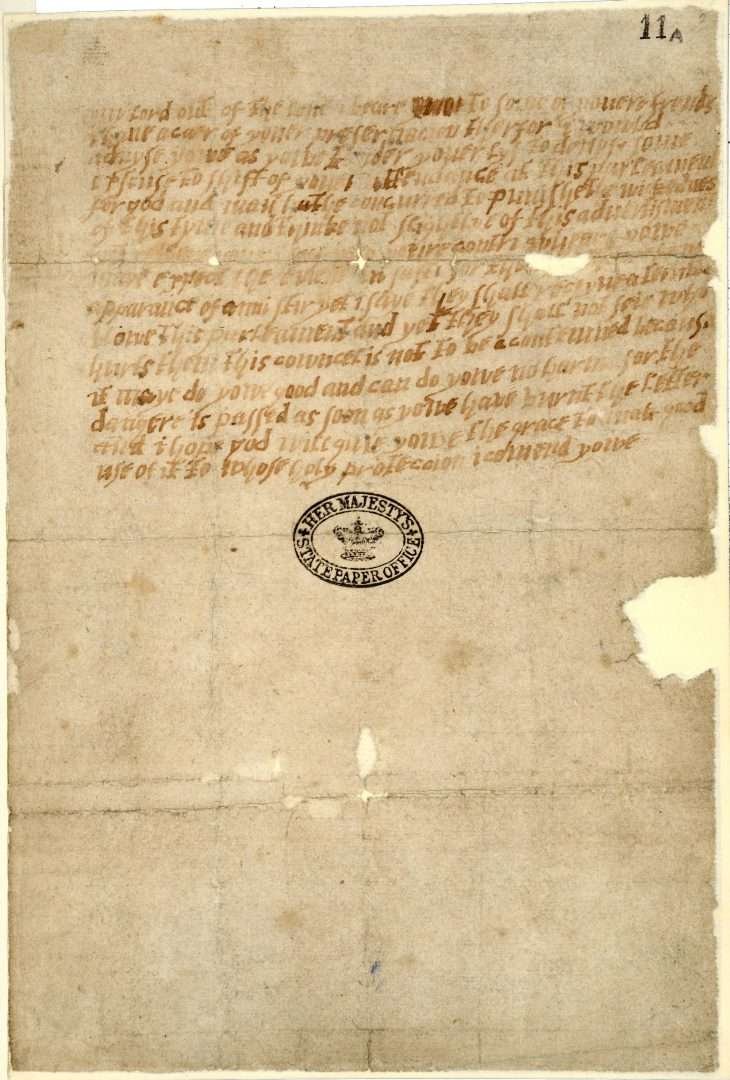
“My Lord out of the love I bear to some of your friends I have a care of your preservation therefore I would advise you as you tender your life to devise some excuse to shift of your attendance at this Parliament for God and man hath concurred to punish the wickedness of this time and think not slightly of this advertisement but retire yourself into your country where you may expect the event in safety for though there be no appearance of any stir yet I say they shall receive a terrible blow this Parliament and yet they shall not see who hurts them this council is not to be condemned because it may do you good and can do you no harm for the danger is passed as soon as you have burned the letter and I hope God will give you the grace to make good use of it to whose holy protection I commend you.”
Anonymous letter to Lord Monteagle.
The anonymous letter sent to Lord Monteagle warning him not to attend the State Opening of Parliament was significant in the discovery of the Gunpowder Plot. The letter, known as the Monteagle letter, prompted the authorities to search the Houses of Parliament and led to the arrest of Guy Fawkes, who was guarding the gunpowder. The letter has been the subject of much speculation and analysis, with historians and scholars debating its authorship and purpose.

Unreliable Confession
Guy Fawkes, a key figure in the Gunpowder Plot, was imprisoned at the Tower of London and subjected to torture for several days in order to extract a confession. Evidence suggests that Fawkes, who had given his name as John Johnson, was indeed tortured. The King sent an order to the Tower of London on 6 November 1605, authorising the use of torture to extract a confession from Fawkes, he initially denied any involvement in the plot but eventually confessed and implicated the other conspirators. It is highly likely that Fawkes was subjected to the rack, a device designed to inflict excruciating pain by pulling a prisoner’s limbs in opposing directions until the joints were dislocated or separated. Fawkes eventually named his co-conspirators and signed a confession after enduring the torture.
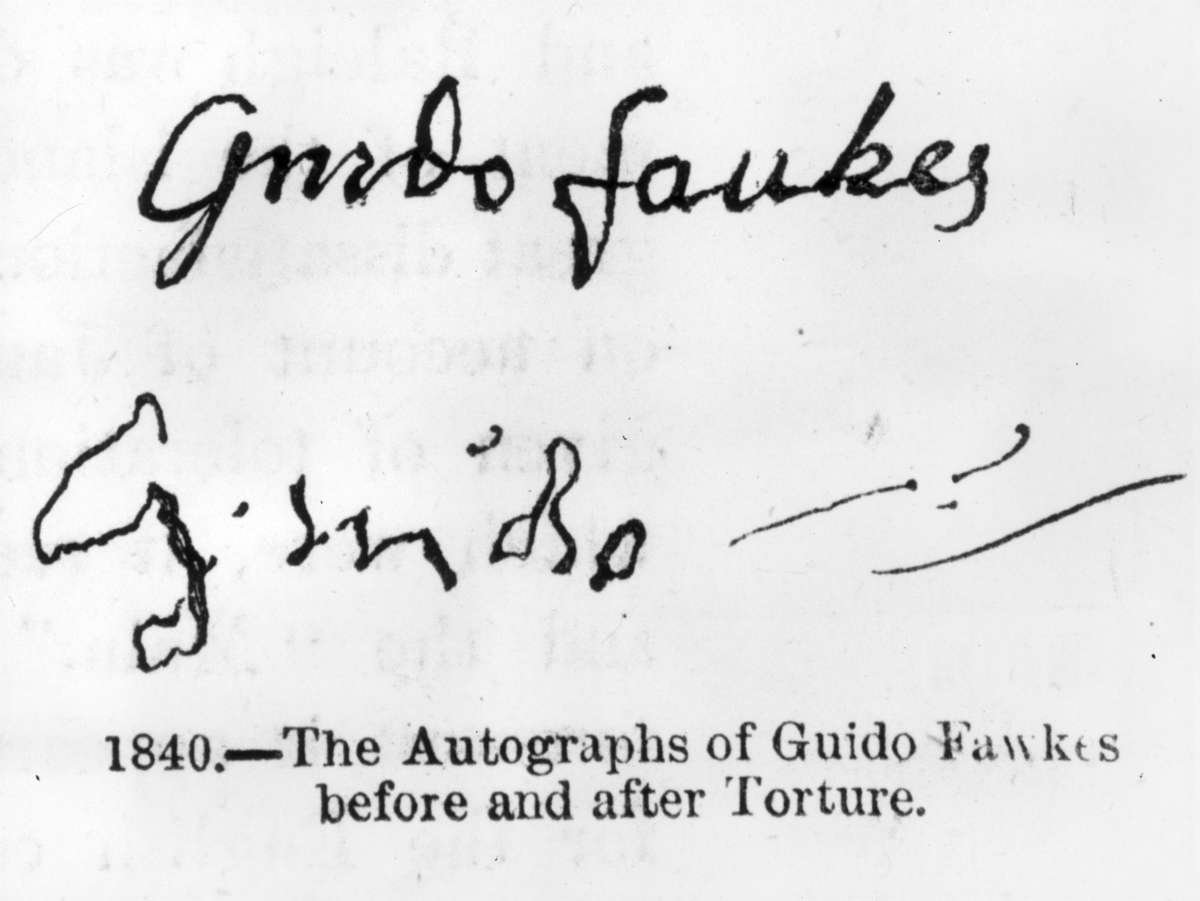
The use of torture to obtain a confession from Guy Fawkes has been widely criticised as unreliable. The effects of the torture on Fawkes are evident in his signature before and after the interrogation, with his signature on the confession described as that of a shattered and broken man.
The use of torture to extract information has been condemned due to its potential to produce false or misleading information and its violation of human rights. The use of torture in Fawkes’ interrogation is a well-documented aspect of the Gunpowder Plot, and it played a significant role in extracting information from him that led to his conviction and the capture of the other plotters.
Guy Fawkes was tried and found guilty before a special commission on January 27, 1606. Fawkes was sentenced to be hanged, drawn, and quartered after being found guilty of high treason and was subsequently executed in Old Palace Yard, Westminster, on January 31, 1606. His fellow plotters, Thomas Wintour, Ambrose Rookwood, and Robert Keyes, were also executed by being hanged, drawn, and quartered. Fawkes, however, met a different fate. He managed to avoid the agony of being hanged, drawn, and quartered by breaking his neck. Despite this, his lifeless body was still quartered, and his body parts were distributed to different parts of the kingdom as a warning to other potential traitors
As Fawkes’ confession was obtained through torture, which is widely regarded as unreliable and a violation of human rights, the evidence, if presented by the Crown Prosecution Service nowadays, would see a defence barrister raising numerous objections, stressing breaches of human rights and police brutality against the client, and the evidence obtained through torture would be inadmissible in today’s courts.

The Myth
Shaping Society, Values and Norms
The Gunpowder Plot occurred during a period of religious persecution, massacres, and wars between Catholics and Protestants, and its resonance in contemporary culture reflects its enduring impact on the collective memory. The myth of the Gunpowder Plot continues to hold cultural and historical significance, and the mask of Guido Fawkes has been used as a symbol of resistance against oppressive tyranny, as depicted in the movie “V for Vendetta.” The character of V in the movie wears the mask as a symbol of rebellion and opposition to a totalitarian regime. The cultural meaning of Guy Fawkes’ conspiracy to blow up the House of Lords has shifted over time, from a countercultural symbol to a representation of resistance against oppressive authority.
Remember Remember!
The Propaganda of a Poem – Maintaining a Myth
The poem “Remember, Remember the 5th of November” serves as propaganda for the state by promoting state authority, celebrating national threats, conveying moral lessons, fostering national unity, and revising historical events to align with the state’s narrative and it helps to keep the events of the Gunpowder Plot in the collective mind of the public through repetition and rhyme.
Remember, remember!
Remember, Remember the 5th of November – John Milton – 1626
The fifth of November,
The Gunpowder treason and plot;
I know of no reason
Why the Gunpowder treason
Should ever be forgot!
Guy Fawkes and his companions
Did the scheme contrive,
To blow the King and Parliament
All up alive.
Threescore barrels, laid below,
To prove old England’s overthrow.
But, by God’s providence, him they catch,
With a dark lantern, lighting a match!
A stick and a stake
For King James’s sake!
If you won’t give me one,
I’ll take two,
The better for me,
And the worse for you.
A rope, a rope, to hang the Pope,
A penn’orth of cheese to choke him,
A pint of beer to wash it down,
And a jolly good fire to burn him.
Holloa, boys! holloa, boys! make the bells ring!
Holloa, boys! holloa boys! God save the King!
Hip, hip, hooor-r-r-ray!
The poem helps to keep the events of the Gunpowder Plot in the collective mind of the public in several ways:
- Promotion of state authority: The poem emphasises the importance of parliamentary authority and the monarchy in British history. It highlights the successful foiling of the Gunpowder Plot, which aimed to overthrow the government and kill the king. By commemorating the capture and execution of Guy Fawkes, the poem reinforces the state’s ability to protect its citizens and maintain order.
- Celebration of a national threat: The poem’s themes of celebration and victory are intertwined with the state’s narrative of the Gunpowder Plot. The capture and execution of Guy Fawkes are portrayed as a triumph for the state and its institutions, which are essential for maintaining order and stability.
- Moral lessons: The poem conveys moral lessons about the dangers of Catholicism and the importance of vigilance against threats to the Protestant faith and the monarchy. This message aligns with the state’s goals of promoting religious and political stability, as well as reinforcing the importance of loyalty to the state and its institutions.
- National unity: The poem’s repetitive refrain, “Remember, remember,” and its emphasis on the 5th of November as a date of significance, create a sense of national unity and shared identity. This unity is essential for the state’s ability to maintain control and order, as it encourages citizens to feel connected to the state and its institutions.
- Historical revisionism: The poem’s portrayal of the Gunpowder Plot and its aftermath may have been influenced by the state’s need to control the narrative of the events. The poem’s emphasis on the miraculous nature of the plot’s discovery and the subsequent executions of the conspirators serves to reinforce the state’s power and its ability to protect its citizens
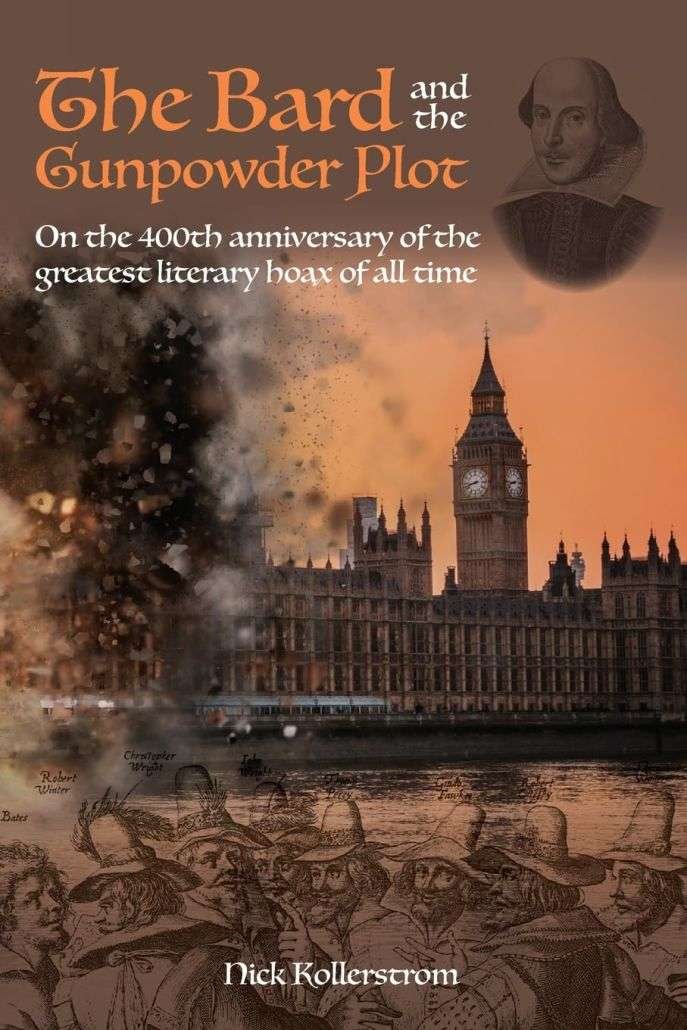
The Bard and the Gunpowder Plot
This isn’t just another who-wrote-Shakespeare book. We’re now at the 400 anniversary of the great deception of 1623, and we ask, how come it was so successful? This should be an epic tale of interest to every Englishman – whereby the great genius was marginalised, and a guy who could not read or write got all the credit! Then the ‘Gunpowder plot‘ of 1605 wasn’t at all what it appeared to be. Both of these ploys were brilliantly successful, the latter in pulverising forever the hopes of English Catholics. Both event concern theatre, where what you are presented with is far from being what really happened. Its time we took a new approach to these great English mysteries.
Sources and links
The True Story Behind The Gunpowder Plot Of 1605 — And Why It Failed
The letter that betrayed the gunpowder plotters
People behind the Gunpowder plot – UK Parliament
Gunpowder plot uncovered – National Archives
9 places associated with Guy Fawkes and the gunpowder plot
How Would Today’s Courts Treat Guy Fawkes’ Sentence?
Source: [SF152] Dom & Chris Chat With Nick Kollerstrom




























Leave a Comment
Want to join the discussion?Feel free to contribute!