

Nightcrawler
The Story Machine
Nightcrawler – 2014 | Bold Films
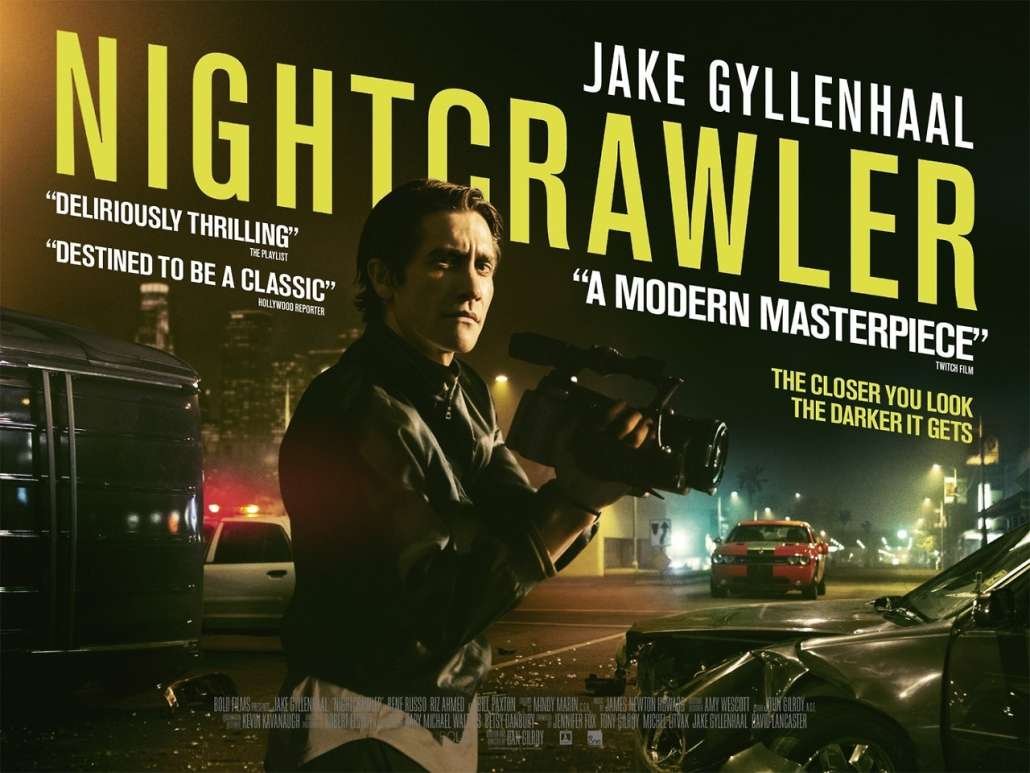
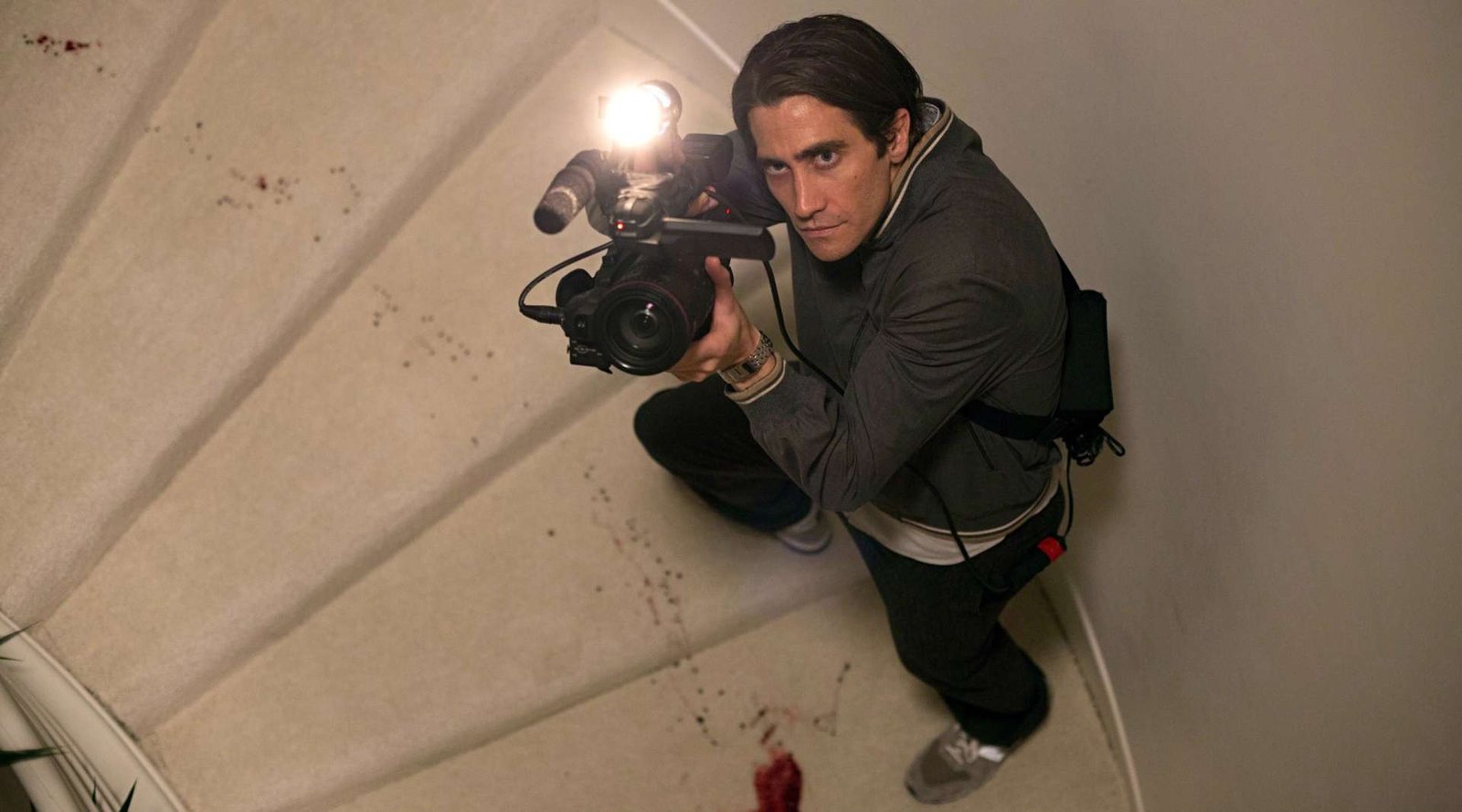
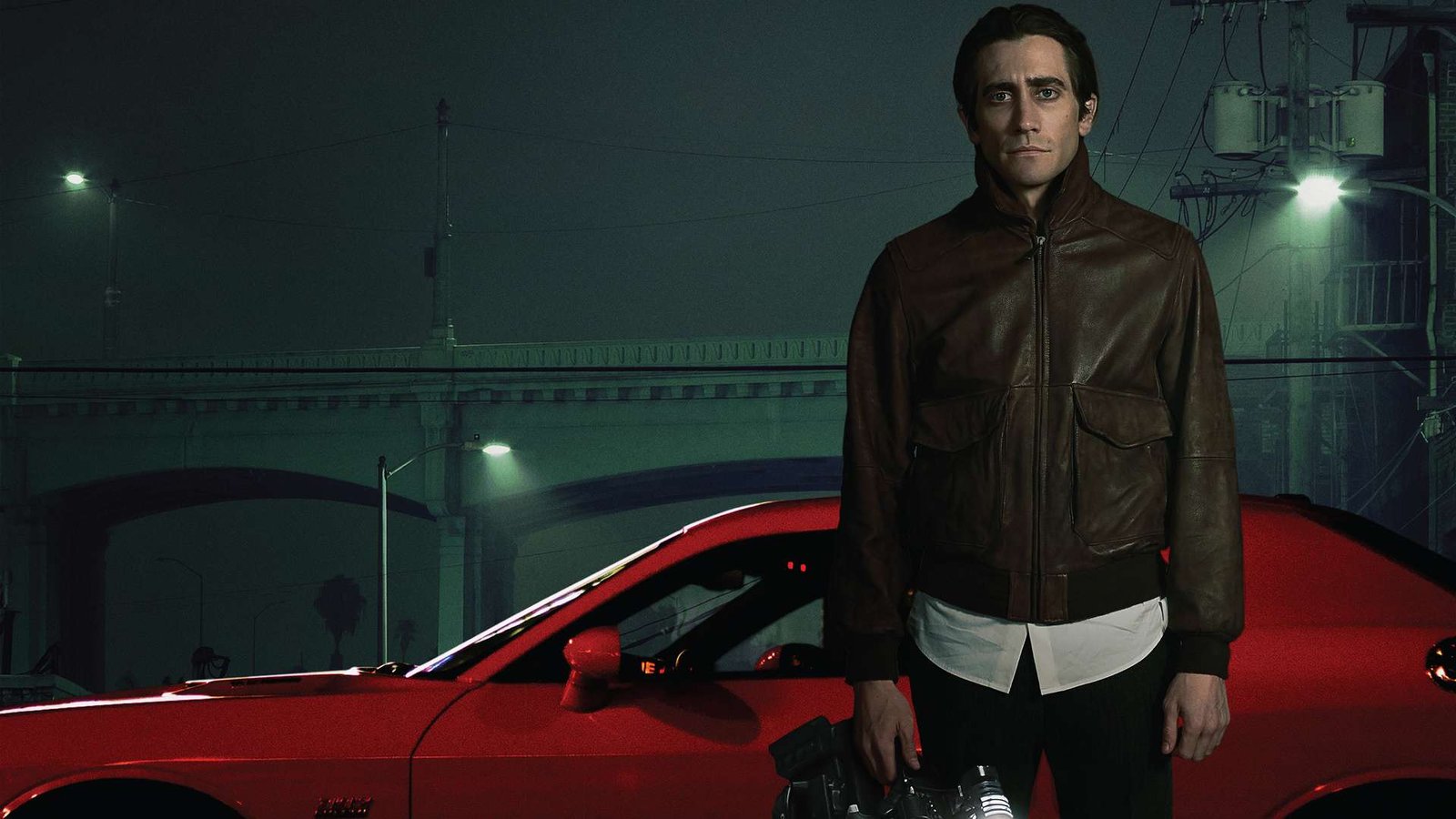
Released in 2014 by Bold Films and Directed by Dan Gilroy, Nightcrawler offers a stark and unsettling glimpse into the dark underbelly of contemporary media and the ruthless pursuit of power through narrative control. The film centres on Lou Bloom, a sociopathic freelance videographer who manipulates sensational crime footage to both captivate and distort public perception.
Far from mere entertainment, Nightcrawler serves as a chilling metaphor for one of the ruling kakistocracy‘s primary modus operandi: the revelation of the method. By exposing the mechanics behind media manipulation—the story machine itself—the film subtly unmasks how psychopathy thrives within systems of influence, shaping and controlling mass consciousness to maintain an overarching illusion of control. This candid disclosure is no accident; the deliberate unveiling of these methods forms part of the psychological warfare wielded by the shadowy elite, simultaneously normalising and obscuring their methods of control under the guise of cinema.
The_Void delves into how Nightcrawler illuminates the operation of this story machine, revealing the deeper strategic use of propaganda, fear, and ideology that sustains the kakistocracy‘s grip on society.
Credits
- Director and Writer: Dan Gilroy
- Lead Actor: Jake Gyllenhaal as Louis “Lou” Bloom
- Supporting Cast: Rene Russo, Riz Ahmed, Bill Paxton
- Producer: Jake Gyllenhaal Tony Gilroy, David Lancaster, Michel Litvak)
- Composer: James Newton Howard
- Cinematographer: Robert Elswit
- Editor: John Gilroy
The film was produced by Bold Films and released in 2014.



Nightcrawler
A Stark Exposé of the Story Machine and the Psychopathic Architects of Control
In the realm of psychological warfare and social engineering, few films capture the dark underbelly of media manipulation and moral decay as starkly as Nightcrawler. This gripping thriller peels back the glossy veneer of modern journalism to reveal a ruthless story machine engineered to exploit fear, sensationalism, and human vulnerability. Through the eyes of its sociopathic protagonist, Nightcrawler exposes how those who traffic in narratives often embody the very psychopathy that sustains the psychopathy‘s grip on power. As a powerful cultural mirror, the film lays bare the mechanisms by which the ruling elite infiltrate and manipulate every facet of our culture to maintain their illusion of control—reminding us of the urgent need to recognise and resist these insidious forces.
Relentless Media
The film is far more than a gripping thriller; it is a piercing case study in the operation of the story machine – the relentless media apparatus that shapes public perception, inducing fear and compliance to serve the interests of the ruling kakistocracy. For those of us attuned to the undercurrents of psychological warfare, propaganda, and social engineering, it demonstrates vividly how psychopaths and sociopaths ascend to power, wielding media narratives as their primary weapon in manipulating the masses.
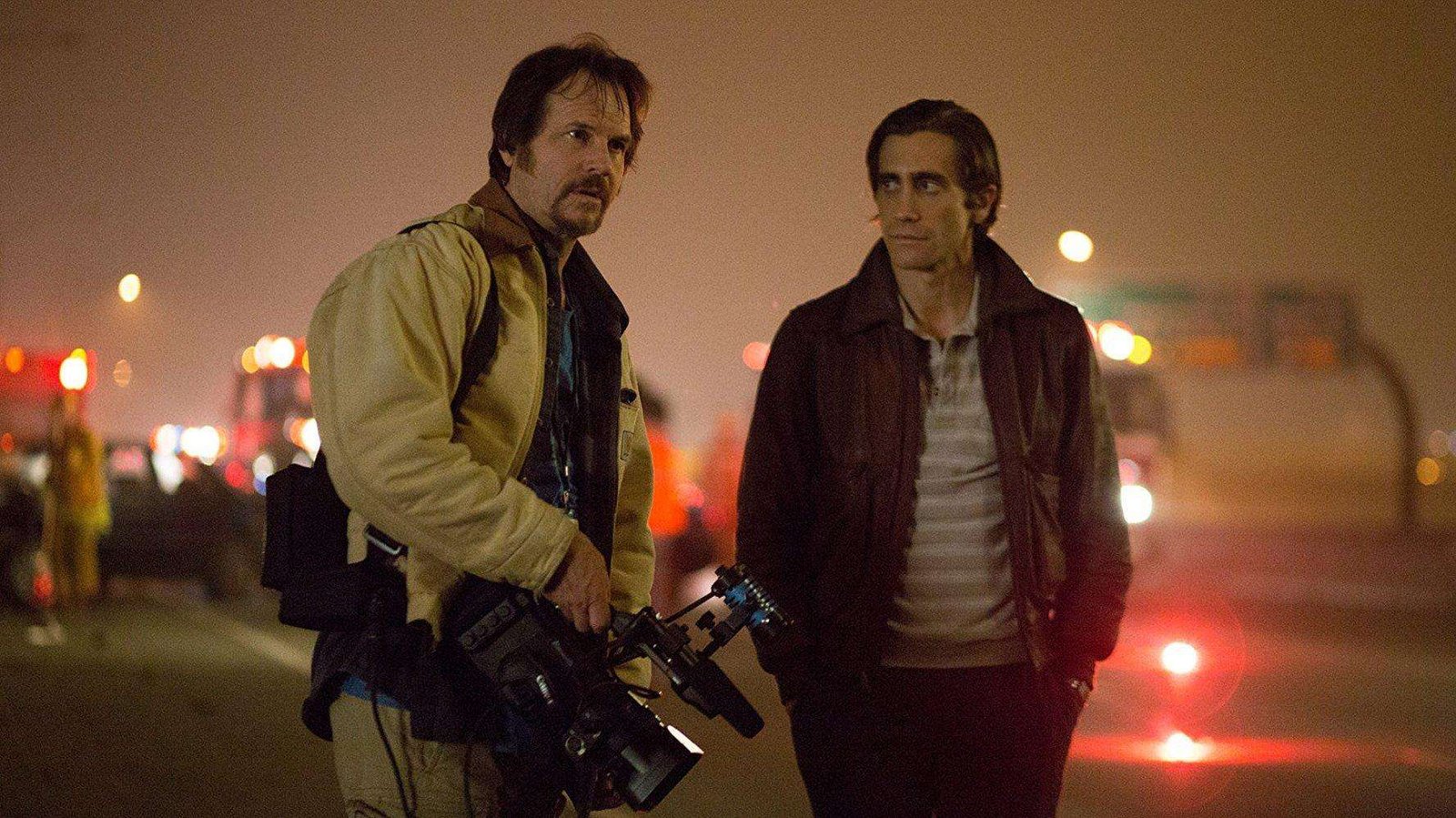
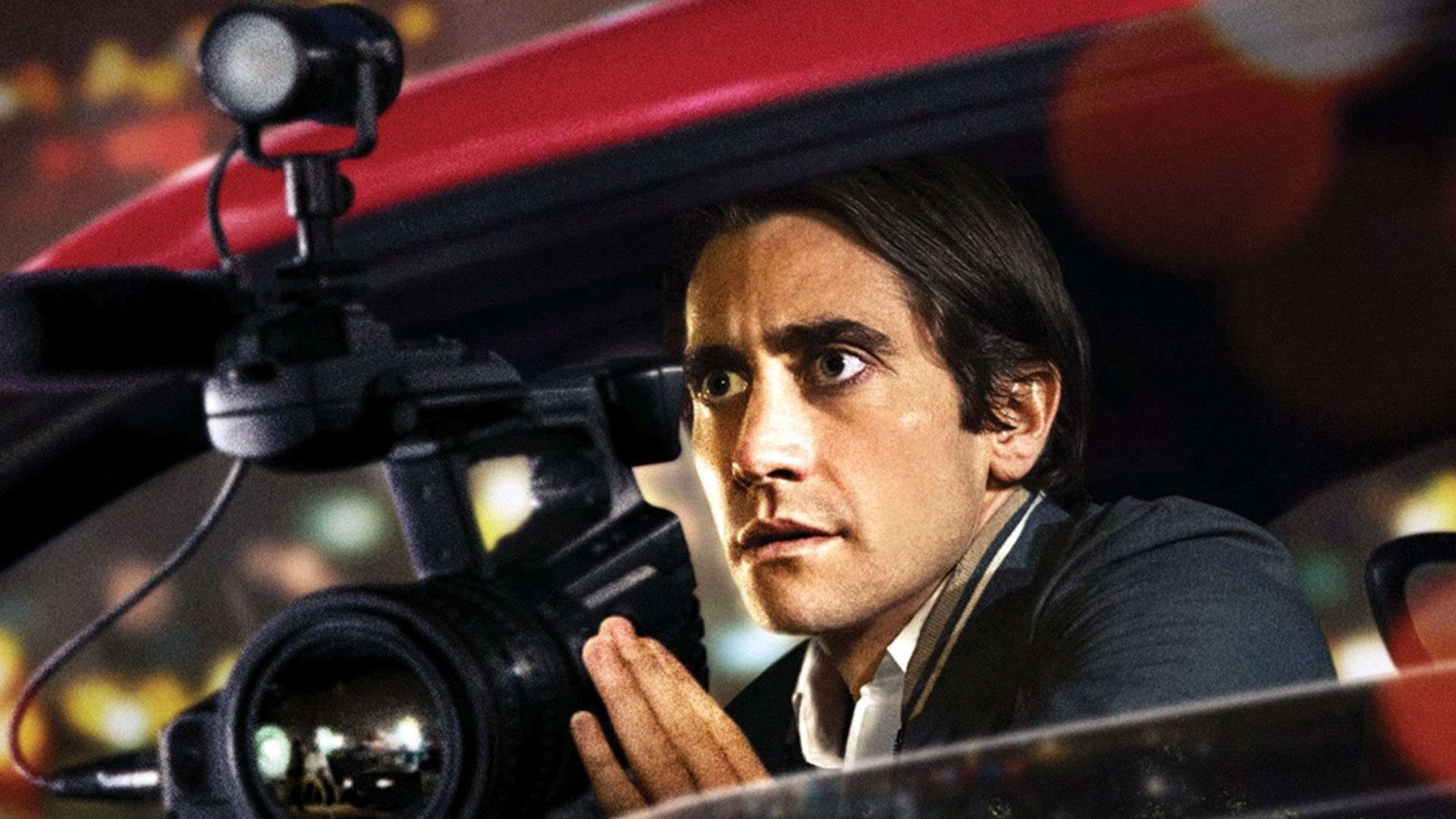
At its core, Nightcrawler follows Lou Bloom, an amoral opportunist who thrives on the chaos of the night crime scene, capturing and selling lurid footage to news outlets hungry for sensational content. His single-minded ruthlessness and unscrupulous tactics are emblematic of the psychopathic archetype: lacking empathy, driven by self-interest, utterly unconcerned with ethical boundaries. These are the personalities who ascend within the very fields that craft and control the stories told to the public — journalism, corporate media, politics — where emotional detachment and manipulative cunning become tools of the trade.
Social Engineering
The Story Machine functions as a sophisticated apparatus of social engineering. It continuously churns out narratives designed to distract, to provoke fear, and to deepen division and confusion. By monopolising attention on manufactured crises and spectacles, it obscures the reality of the power structures that govern us and the parasitic ruling elite’s true objectives. The kakistocracy—the government run by the least qualified and most morally bankrupt—functions precisely by maintaining this illusion of system control, convincing the population that the theatre of news and politics is a genuine democratic arena rather than a scripted performance.
What Nightcrawler starkly reveals is the symbiotic relationship between the media’s psychopathic operators and the broader geopolitical architects behind the scenes. These sociopaths thrive on propagating fear and apathy, forging a compliant society too distracted and disoriented to recognise who really pulls the strings. The primary dread of these parasitic psychopaths is not exposure of their deeds per se, but our collective awakening to the fact that the “system” is an elaborate façade — an illusion maintained solely by their control over the story machine.
For readers who have long sensed the hidden hand steering world events from the shadows, Nightcrawler offers a chilling mirror to the psychological warfare that saturates our existence. It is not just a cautionary tale but a clarion call: to reclaim our sovereignty of thought, we must dismantle the story machine‘s grip on our consciousness. We need to see the psychopathic architects for what they are—predators of truth—whose ultimate weapon is the illusion of reality itself.
To resist is to remember. And to remember is the first step toward true liberation.
Revelation of the Method
The kakistocracy employs the revelation of the method as a form of occult psychological warfare and social engineering, intertwining mockery, demoralisation, and karmic deception. By openly showcasing how manipulation, propaganda, and control are executed—often cloaked as “entertainment” such as in Nightcrawler—they create a toxic spectacle that mocks the “profane” masses. This act of revealing is not a slip but a symbolic gesture indicating omnipotence: “This is how it’s done, and there’s nothing you can do about it.” Such exposure acts as a method of deep psychological dominance, promoting a sense of powerlessness and submission, effectively eroding resistance by making the machinery of control hyper-visible yet untouchable.
From an esoteric perspective, this revelation is a dark inversion of sacred knowledge withholding, where the elite flaunt their secrets in plain sight as a form of ritualised triumph. It’s a part of ongoing societal degradation, or demoralisation, where the structures of meaning and hope are shattered by cynical transparency. This duality—showing and yet concealing true power—parallels occult traditions where knowledge is both a weapon and a shield.
The karmic element comes into play as the act of revelation justifies and perpetuates the cycle of control and deception. By revealing the method wrapped in entertainment and spectacle, the kakistocracy both enacts their dominion and entrains the population into complicity, binding souls to the system through fear, distraction, and acceptance. It is a calculated psychological ritual that maintains the illusion system, ensuring the parasitic elite’s continued ascension, while spiritually and morally degrading the collective consciousness.




















Leave a Comment
Want to join the discussion?Feel free to contribute!