
Michael Hoffman – Secret Societies and Psychological Warfare | The ParaNet Continuum
Hidden Influence
Michael Hoffman – Radio Show #265 – 1999 | The ParaNet Continuum
Michael A. Hoffman II discusses secret societies and psychological warfare, exploring themes of symbolism, mind control, and the influence of hidden forces on society.
The ParaNet Continuum radio show #265, aired on May 9, 1999, was hosted by Michael Corbin and featured Michael A. Hoffman II, the author of Secret Societies and Psychological Warfare. This episode delved into Hoffman’s insights on the influence of secret societies and their psychological impact on society.
Themes Discussed
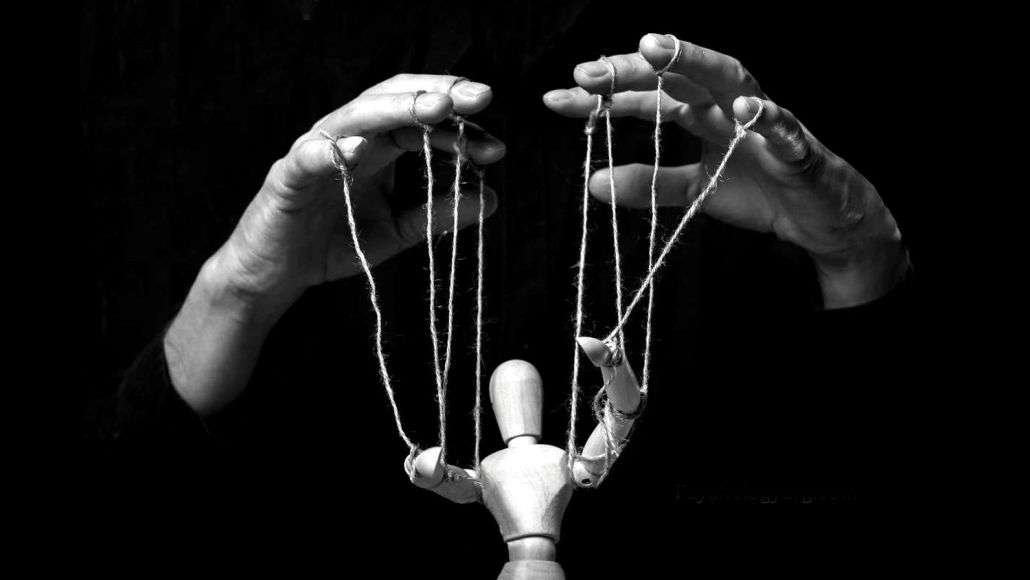
Secret Societies: Hoffman discussed the operations and ideologies of various secret societies, including Freemasonry, and their control over political and social structures. He argued that these groups engage in psychological warfare to manipulate public perception and maintain power.
Psychological Warfare: The conversation highlighted how secret societies utilise symbolic language and rituals to influence collective consciousness. Hoffman emphasised the concept of “mind control” through social engineering tactics that create a sense of helplessness among the populace.
Historical Context: Hoffman provided historical examples to illustrate how these societies have shaped events throughout history, suggesting that their influence is often obscured from public awareness.
Cultural Commentary: The discussion also touched on contemporary issues, including media manipulation and the role of conspiracy research in shaping societal narratives. Hoffman posited that awareness of these tactics is crucial for understanding modern societal dynamics.
This episode is notable for its exploration of controversial topics surrounding power dynamics and the unseen forces that influence societal behaviour, making it a significant contribution to discussions about psychological manipulation.
“The population has become so brutalised and desensitised that the secrecy is no longer necessary, and simply by virtue of being a percipient in-front of your network news, your electronic video games, or going to the movies, you are ingesting and imbibing this processing.”
Michael A. Hoffman
How do psychological manipulation and strategic storytelling shape modern political discourse and influence public perception?
Psychological Manipulation, Propaganda, and Social Engineering
An Exploration of Symbolism and Twilight Language
Psychological manipulation, propaganda, and social engineering are critical areas of study in understanding how information is controlled and disseminated in society. These concepts are deeply intertwined with the use of symbolism, psychodrama, and what Michael A. Hoffman II refers to as “twilight language” in his seminal work Secret Societies and Psychological Warfare. The_Void explores these themes while providing contemporary examples that illustrate their relevance in today’s socio-political landscape.
Understanding Psychological Manipulation
Psychological manipulation involves influencing individuals or groups to achieve specific outcomes, often through deceptive or coercive tactics. It exploits cognitive biases and emotional vulnerabilities, leading targets to act against their best interests. Social engineering is a subset of this manipulation, particularly within the context of information technology and cybersecurity, where attackers use psychological tactics to trick individuals into revealing sensitive information or performing actions that compromise their security.
The Role of Propaganda
Propaganda is a systematic effort to shape perceptions and manipulate beliefs through biased or misleading information. Historically, governments have employed propaganda to control narratives during wartime, as seen in World War II when emotional appeals were used to rally public support for military actions. In contemporary settings, propaganda has evolved to leverage digital platforms, where misinformation can spread rapidly through social media channels.
Symbolism and Twilight Language
Symbolism plays a crucial role in psychological manipulation. Symbols evoke strong emotional responses and convey complex ideas succinctly. For instance, national flags or religious icons elicit feelings of pride or devotion, making them powerful tools for propaganda. In Hoffman’s analysis, symbols are integral to the operations of secret societies, which utilise them to communicate hidden meanings and reinforce group identity.
Twilight language, a term coined by Hoffman, refers to the coded language used by secret societies that operates on multiple levels of meaning. This form of communication often employs symbols and archetypes that resonate with the collective unconscious. For example, the use of specific colours or motifs in political campaigns evoke historical narratives or cultural myths that influence voter behavior without explicit acknowledgment.
Psychodrama in Political Discourse
Psychodrama refers to the enactment of psychological scenarios to influence public perception. In modern politics, this can manifest through staged events or media spectacles designed to create emotional responses. A contemporary example is the use of televised debates where candidates perform for the camera rather than engage in substantive policy discussions. These performances are scripted or choreographed to elicit specific reactions from the audience, effectively manipulating public sentiment.
Examples of Psychodrama in Modern Political Discourse
1. Political Debates as Psychodramatic Performances
Political debates have evolved into highly choreographed events where candidates perform for the camera rather than engage in substantive policy discussions. These debates often resemble psychodramatic enactments, where candidates play roles designed to elicit specific emotional responses from the audience. For instance, during presidential debates, candidates employ theatrical gestures, vocal inflections, and rhetorical strategies to create memorable moments intended to sway undecided voters. The focus on performance over policy illustrates how psychodrama dominates political discourse.
2. Media Spectacles and Staged Events
Media events, such as town hall meetings or press conferences, frequently utilise psychodramatic elements to create compelling narratives. For example, the 2018 “March for Our Lives” protest organised by students advocating for gun control was a carefully staged event that utilised powerful imagery and emotional appeals. The presence of young survivors from the Parkland shooting shared personal stories that resonated deeply with audiences, effectively turning their trauma into a unifying narrative to galvanised public support for gun reform.
3. Crisis Communication and Emotional Appeals
In times of crisis, leaders often resort to psychodramatic techniques to manage public sentiment and rally support. For instance, during the COVID scare, political leaders used emotional appeals in their addresses to convey empathy and solidarity with affected citizens. Prime Minister Boris Johnson’s speeches often included personal anecdotes about his own battle with the flu, aiming to humanise his leadership and encourage a sense of shared experience among the public. This approach exemplifies how psychodrama can be employed to navigate complex emotional landscapes during crises.
4. Social Media Campaigns and Viral Content
The rise of social media has transformed political communication into a platform for psychodramatic storytelling. Campaigns leverage viral content that resonates emotionally with users, often using dramatic visuals or poignant narratives to provoke reactions. For example, the “Ice Bucket Challenge” campaign for ALS awareness utilised a combination of humour and pathos to engage participants and viewers alike. This blend of entertainment and advocacy demonstrates how social media can amplify psychodramatic elements in political messaging.
The weird dancing nurses phenomenon, which emerged during the COVID-19 era, serves as a compelling example of psychodrama in modern political and social discourse. This phenomenon involved healthcare workers, particularly nurses, engaging in choreographed dance routines and posting videos of these performances on social media platforms like TikTok and Instagram.
5. Echo Chambers and Group Polarisation
Psychodrama also plays a role in the formation of echo chambers within political discourse. As individuals consume information that aligns with their beliefs, they reinforce group identities through shared narratives that often dramatise opposing viewpoints as irrational or dangerous. The Brexit referendum serves as a case study where both Remainers and Leavers employed psychodramatic language to frame their opponents as emotionally unstable or misguided. This polarisation illustrates how psychodrama entrenches divisions rather than facilitates constructive dialogue.
Conclusion
The integration of psychodrama into modern political discourse highlights the power of emotional engagement in shaping public perception and action. From staged debates to viral social media campaigns, these techniques emphasise the importance of narrative construction in politics.
The interplay between psychological manipulation, propaganda, symbolism, and twilight language reveals a complex landscape where information is not merely shared but strategically crafted to influence beliefs and behaviours. Understanding these dynamics is essential for navigating an increasingly polarised world where misinformation easily distorts reality. As we continue to confront challenges posed by social engineering tactics in digital spaces, encouraging critical thinking and media literacy becomes paramount for empowering individuals against manipulation efforts.
Source: Programmed To Kill/Satanic Cover Up Part 357 (Secret Societies and Psychological Warfare)


















Leave a Comment
Want to join the discussion?Feel free to contribute!