The American Experiment | VertigoPolitix
The Ultimate Revolution
The American Experiment – 2020 | VertigoPolitix
The Dominance of a Created Cultural Narrative
A created cultural narrative shapes beliefs and behaviours, guiding society through psychological influence, where people learn to embrace control as their own chosen reality.
VertigoPolitix‘s “The American Experiment” offers more than a historical account; it exemplifies how a deliberately crafted cultural narrative become the dominant framework shaping societal beliefs and behaviours. Viewed through the prism of psychological influence and social engineering, this narrative reveals the mechanisms by which a constructed culture asserts control and moulds collective consciousness.
The Constructed Culture as the Dominant Narrative
VertigoPolitix positions America not merely as a nation with a complex past, but as a stage upon which a carefully engineered cultural identity unfolds. This identity is sustained by emphasising themes of crisis, threat, and the imperative to defend an idealised republic. Such themes are not incidental; they are integral to the creation and maintenance of a dominant social reality that guides public perception and action.
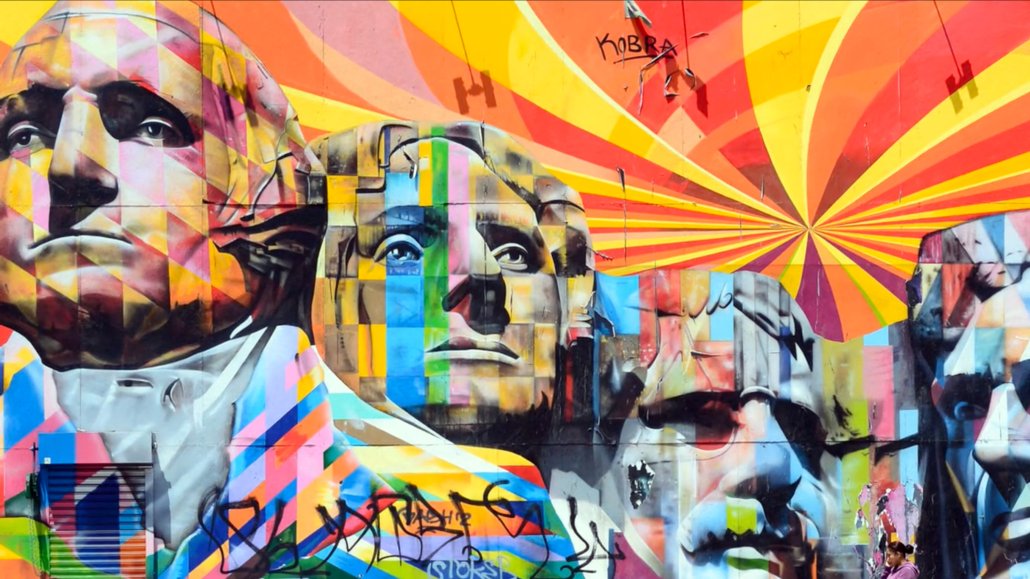
In this context, the “American Experiment” is less a historical recounting and more a cultural artefact—a consciously created story that shapes how individuals understand their place in society and their relationship to power. This constructed culture becomes self-reinforcing, establishing norms and values that define loyalty, identity, and acceptable discourse.

Psychological Foundations of the Dominant Narrative
The power of this created culture lies in its ability to harness fundamental psychological drivers:
Authority and Tradition: By invoking historical milestones and venerable institutions, the narrative commands respect and acceptance, embedding itself as the legitimate cultural truth.
Fear and Unity: The portrayal of ongoing threats—both internal and external—mobilises collective fear, fostering social cohesion around the dominant narrative and marginalising alternative perspectives.
Social Identity and Belonging: The narrative delineates clear boundaries between ‘insiders’ who uphold the cultural ideal and ‘outsiders’ who challenge it, reinforcing group identity and conformity.
Urgency and Purpose: The call to action embedded within the narrative instils a sense of mission, encouraging individuals to align their behaviour with the dominant cultural script.
Certainly! The full quote by Aldous Huxley, from his essay “Freedom and the Individual” (1949), is:
“Most human beings will probably continue to believe what they prefer to believe, and what they prefer to believe is often quite out of touch with reality. They will learn to love their servitude and will never dream of revolution so long as they are efficiently distracted, and can avoid pain.”
Aldous Huxley, from his essay “Freedom and the Individual” (1949)
The Illusion of Choice Within a Scientific Dictatorship
This dominant cultural narrative operates as a form of ‘scientific dictatorship‘, where control is exercised not through overt coercion but through the subtle shaping of beliefs and desires. Individuals come to internalise the narrative so deeply that their consent appears genuine, even enthusiastic. As Aldous Huxley observed, people will ultimately ‘learn to love their servitude’—embracing the very structures that limit their freedom because these structures are woven into their cultural identity.
Understanding Propaganda as Cultural Engineering
Recognising the dominance of such a created culture is essential to understanding how propaganda functions in modern society. It is not merely the dissemination of falsehoods but the construction of a comprehensive worldview that defines reality for its adherents. This cultural engineering shapes what is seen as normal, acceptable, and true, thereby guiding behaviour and limiting dissent.
In an age where psychological manipulation is increasingly sophisticated, the dominance of a created cultural narrative demands vigilance. By identifying the psychological levers—authority, fear, social identity, urgency—that sustain it, individuals can begin to question the narratives they live by and reclaim autonomy over their beliefs.
This perspective highlights how VertigoPolitix‘s “The American Experiment” exemplifies the ascendancy of a constructed culture as the prevailing narrative. It emphasises the importance of critical awareness in recognising and resisting the subtle forms of control embedded within dominant cultural stories.
Sources and links
VertigoPolitix Archive on Internet Archive
Aldous Huxley’s Essay “Freedom and the Individual” (1949)
Analysis of Psychological Warfare and Social Engineering
Understanding Propaganda: Techniques and Impact
The Concept of Scientific Dictatorship in Social Control
Source: VertigoPolitix – The American Experiment