
Mysterious Boys In Blue | Sam William
A Trip Down a Small Blue Rabbit Hole
Mysterious Boys In Blue – 31 Aug 2017 | Sam William
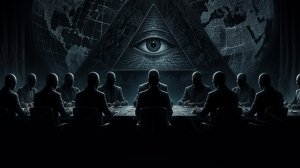
The assertion that England’s core structure is essentially a fraternal organisation of secret societies with military purposes, originating during the Enlightenment, reflects a complex interplay of historical, political, and social factors.
Secret Societies in England
Origins and Development
Secret societies have existed throughout history, often emerging in response to political repression or societal upheaval. In England, the Enlightenment period (17th to 18th centuries) fostered an environment ripe for the formation of such organisations. Groups like the Freemasons became prominent, characterised by their esoteric knowledge and rituals, which appealed to the upper classes seeking a sense of identity and community outside traditional structures.
Political Implications
In the 19th century, secret societies were intertwined with political movements. They served as platforms for dissent against oppressive regimes and were often involved in revolutionary activities across Europe. For instance, groups like the Carbonari in Italy and similar organisations in England sought to challenge the status quo during a time when democratic ideals were gaining traction. The clandestine nature of these societies allowed members to engage in political discourse that was often suppressed in public forums.

“It shouldn’t come as no surprise really that England’s core structure, although seeming democratic, is in-fact the fraternal structure of secret societies for military purposes, born at the time of the enlightenment.”
Sam William
The Role of Secret Societies in Democracy
Secrecy and Political Action
The relationship between secret societies and democracy is paradoxical. While they often operated outside the bounds of conventional politics, their existence highlighted the struggles for representation among disenfranchised groups. The rhetoric surrounding these societies suggested that their secrecy was both a necessity for survival against authoritarianism and a means of preserving advanced ideas that could not yet be openly discussed.
Cultural Significance
Secret societies also played a significant role in shaping cultural narratives around democracy. They were seen as repositories of knowledge and ideals that transcended mainstream political discourse. This duality—being both subversive and protective—allowed them to influence public opinion and political thought significantly during critical periods of democratic development.
Conclusion
The notion that England’s democratic structure is fundamentally linked to secret societies reflects a historical reality where such organisations provided both a refuge for revolutionary ideas and a means to navigate the complexities of political life. While their military purposes may be overstated, their impact on political activism and discourse is undeniable, revealing how deeply intertwined secrecy and democracy can be in shaping societal structures.
Source: Mysterious Boys In Blue – YouTube

























Leave a Comment
Want to join the discussion?Feel free to contribute!