
Political Inversions | Dark Age Theorist
Distorted Thinking
Political Inversions: The Moral Theatre of Psychological Warfare
Political inversion reframes morality so individuals justify hostility as virtue, believing they defend decency while perpetuating division, within narratives that conceal manipulation and sustain illusion.
In the landscape of modern psychological warfare, one of the most effective and least understood tools is the phenomenon of political inversion. This is not merely propaganda in its traditional sense, but a deeper cognitive manoeuvre—one that reshapes perception, moral reasoning, and identity itself.
At its core, political inversion is the process by which individuals or groups are led to perceive themselves as morally righteous—aligned with kindness, decency, and justice—while simultaneously engaging in behaviour that contradicts those very principles. This contradiction is not experienced as hypocrisy. Rather, it is neutralised, justified, or entirely invisible to those participating in it.
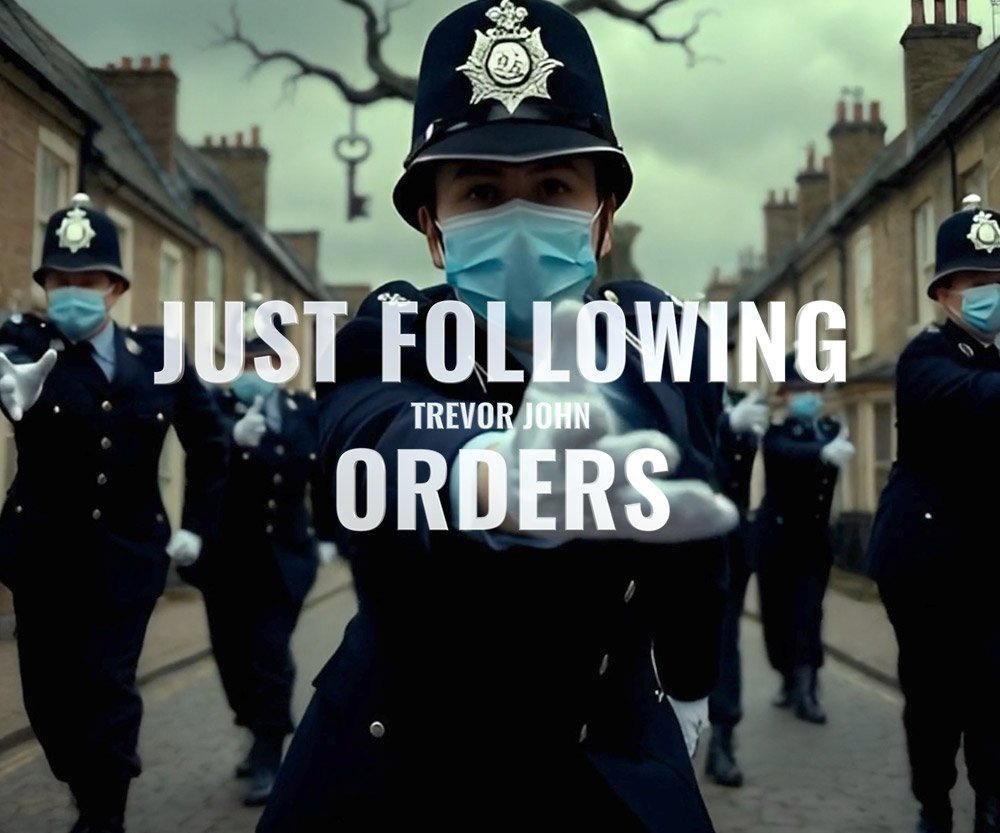
The objective is not simply to persuade, but to reframe reality.
The Architecture of Moral Justification
Psychological warfare does not succeed by forcing individuals to abandon their moral frameworks. It succeeds by co-opting them.
Through carefully constructed narratives—distributed via media, education, and cultural reinforcement—people are encouraged to associate their identity with a set of moral absolutes. These identities become psychologically fused with concepts such as compassion, fairness, and progress.
Once this fusion is established, a critical shift occurs: opposition is no longer perceived as a disagreement, but as a moral threat.
In this reframed landscape:
- Disagreement becomes harm.
- Criticism becomes aggression.
- Dissent becomes evidence of moral deficiency.
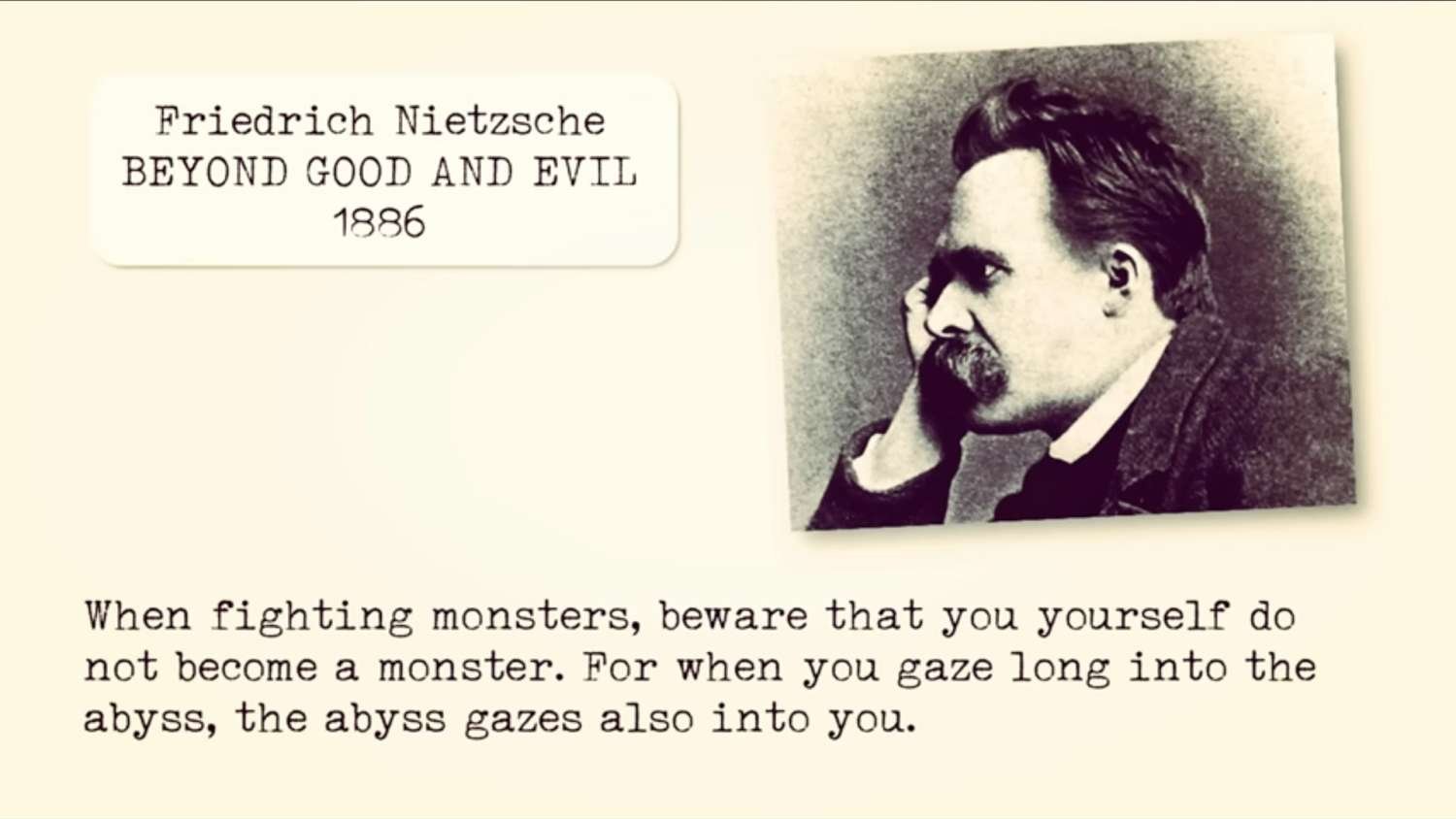
Under such conditions, hostility is no longer experienced as hostility. It is reinterpreted as defence. Verbal attacks become “accountability”. Social exclusion becomes “protection”. Even acts of coercion or violence can be rationalised as necessary interventions against perceived wrongdoing.
The individual remains convinced of their own decency, because their actions are filtered through a narrative that continuously affirms it.
The Role of the Story Machine
The maintenance of this inversion relies on the story machine—a persistent, adaptive system of narrative production that defines what is acceptable, what is dangerous, and who is virtuous.
Its primary objective is not truth, but stability of perception.
By continuously reinforcing simplified moral binaries, the story machine ensures that individuals do not engage in nuanced analysis. Instead, they operate within pre-defined categories:
- Good versus bad.
- Safe versus harmful.
- Acceptable versus unacceptable.
These categories are not static; they are adjusted as needed. What matters is that the audience remains anchored to the framework itself, rather than questioning its construction.
In this way, the illusion system sustains itself. People do not feel manipulated because they believe they are acting independently—guided by their own moral compass—while in reality that compass has been subtly calibrated.
Emotional Amplification and Group Dynamics
Political inversion is further strengthened by emotional amplification.
Outrage, fear, and moral urgency are highly effective at narrowing cognitive bandwidth. When individuals are emotionally activated, they are less likely to question inconsistencies in their own behaviour or beliefs. Instead, they seek reinforcement from their in-group.
Group dynamics then take over:
- Approval is granted for increasingly extreme expressions of hostility.
- Dissent within the group is discouraged or punished.
- Moral signalling becomes a currency for social validation.
This creates a feedback loop in which the most aggressive behaviours are not only tolerated, but rewarded—so long as they are directed at the designated “other”.
Importantly, participants rarely perceive themselves as aggressors. They see themselves as defenders of a higher moral order.
The Strategic Objective
The ultimate objective of political inversion is control without coercion that is visibly recognised as such.
By aligning identity with ideology, and ideology with morality, individuals become self-regulating. They police not only others, but their own thoughts, ensuring alignment with the dominant narrative.
Conflict is sustained, but in a managed form—horizontal rather than vertical. Energy is directed towards interpersonal and intergroup hostility, rather than towards questioning the structures that shape the narrative itself.
The result is a population that is divided, emotionally engaged, and convinced of its own righteousness—all while operating within carefully constructed boundaries.
Recognising the Pattern
Understanding political inversion requires a willingness to examine uncomfortable contradictions.
When expressions of kindness are paired with cruelty, when calls for tolerance accompany intolerance, or when moral certainty overrides empathy, it is worth asking: is this conviction arising organically, or has it been engineered?
Psychological warfare at this level does not announce itself. It operates quietly, through language, identity, and perception.
And its greatest success lies in the fact that those influenced by it rarely believe they are under its influence at all.
Source: Political Inversions | Dark Age Theorist





















Leave a Comment
Want to join the discussion?Feel free to contribute!